


What's Happening?
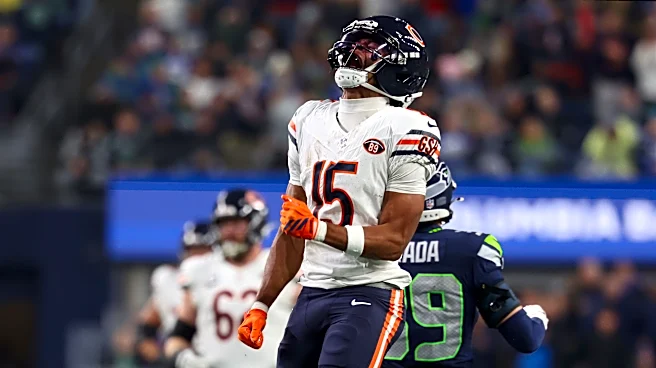
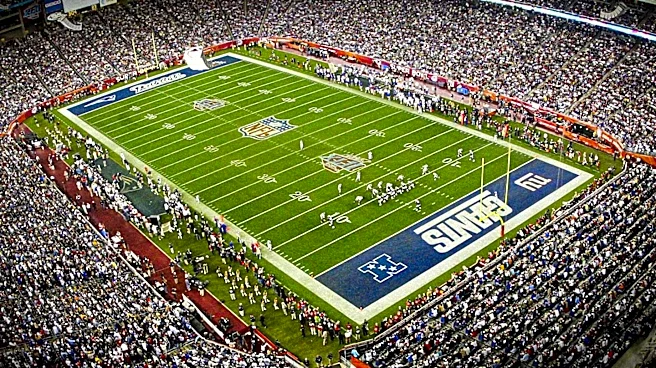
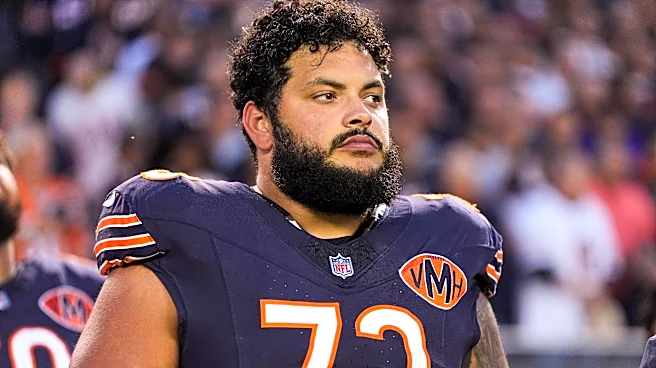
The Chicago Bears have reopened discussions with Illinois legislative leaders regarding a potential new stadium within the state, despite previously focusing on a move to Hammond, Indiana. This development follows a meeting in Chicago attended by NFL
Commissioner Roger Goodell, Bears owner George McCaskey, and CEO Kevin Warren, alongside Illinois state officials. The parties agreed to continue efforts to draft legislation that could facilitate a new stadium in Illinois, potentially in Arlington Heights or Chicago. This marks a shift from the Bears' August announcement, which stated their 'sole focus' was on a project in Indiana, where they are finalizing due diligence on two sites in the Wolf Lake area. The Bears' recent statement acknowledges engagement from Illinois leadership and anticipates productive dialogue with both Illinois and Indiana teams in the coming weeks, emphasizing their responsibility to explore all available options for a transformational project.
Why It's Important?
This renewed engagement with Illinois leadership is significant for several reasons. For Illinois, retaining the Chicago Bears, a legacy NFL franchise over 100 years old, represents a major economic and cultural win. The potential loss of the team to Indiana spurred Illinois legislators to action after previous failures to offer the tax relief and infrastructure certainty the Bears sought. A new stadium project in Illinois could attract global events, create jobs, and stimulate economic growth across the Chicagoland area. For the Bears, remaining in Illinois, potentially closer to their established fan base, could be preferable, even if it means extending the stadium relocation drama. The NFL's involvement, with Commissioner Goodell attending the meeting, underscores the league's interest in keeping the team within its traditional market, suggesting potential behind-the-scenes pressure or preference for an Illinois solution.
What's Next?
Illinois Governor J.B. Pritzker has indicated that legislation aimed at keeping the Bears in Illinois is forthcoming and is expected to be taken up during the Veto session in mid-November and early December. The Bears have stated they will continue collaborative work with leaders in Indiana while also engaging in dialogue with Illinois leadership. This suggests a dual-track approach where both Illinois and Indiana proposals will be considered. The outcome will depend on the specifics of the legislative package offered by Illinois, particularly regarding tax incentives and infrastructure support, which were previously lacking. The Bears' ultimate decision will likely hinge on which state presents the most favorable and comprehensive deal for their proposed world-class stadium and mixed-use district.
Beyond the Headlines
The ongoing stadium saga highlights the intense competition between states and municipalities to attract and retain major professional sports franchises. The Bears' strategic engagement with both Illinois and Indiana demonstrates how teams leverage their economic impact and cultural significance to secure the most advantageous deals, often involving substantial public funding or tax concessions. This situation also reflects the complex interplay between private business interests (the NFL and the Bears) and public policy, where the promise of economic development and civic pride often drives legislative action. The outcome will set a precedent for future negotiations between sports teams and host cities, underscoring the significant leverage held by franchises in these high-stakes development projects.