





What's Happening?
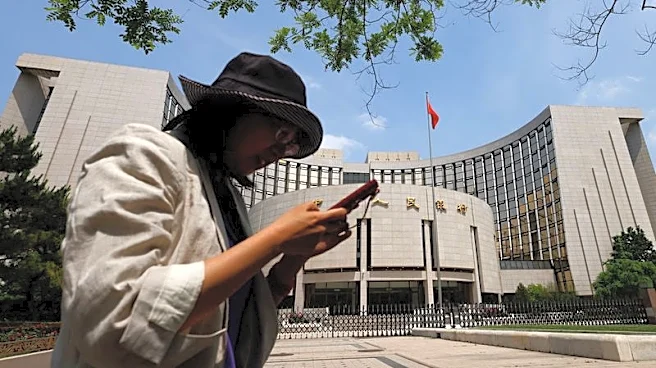
Chinese authorities are actively intervening to stabilize domestic markets following a significant 8.3% drop in the CSI 300 index in October, marking its worst monthly performance in over a decade. The People's Bank of China (PBoC) injected approximately
RMB100 billion ($15 billion) into the financial system through a one-year swap operation. Additionally, the PBoC announced it would raise the foreign exchange (FX) reserve requirement ratio (RRR) from 4% to 6%, effective November 15. This measure aims to curb excessive one-way appreciation pressure on the Chinese yuan (CNY), which recently ended a 13-day winning streak, its longest in three decades. The equity slump is attributed to weak household consumption, persistent property-sector headwinds, and growing investor unease regarding the sustainability of AI-related earnings growth. Previous attempts to stabilize market sentiment, including state-backed equity purchases and administrative measures to discourage selling, have not been effective, leading to uncertainty about the impact of these latest interventions.
Why It's Important?
These interventions by the PBoC highlight China's proactive stance in managing its financial markets and currency stability, which has significant implications for global trade and investment. The decision to raise the FX RRR is a direct effort to influence the yuan's value, potentially making Chinese exports more competitive or managing capital flows. For U.S. businesses engaged in trade with China, fluctuations in the yuan's value can impact the cost of goods and profitability. The broader market instability in China, as evidenced by the CSI 300's decline, reflects underlying economic challenges that could affect global supply chains and investor confidence. The PBoC's actions demonstrate a commitment to preventing further market downturns, but the effectiveness of these measures remains to be seen, especially given the failure of previous interventions. This situation underscores the interconnectedness of global economies, where China's financial health can ripple through international markets, affecting U.S. economic stakeholders.
What's Next?
The PBoC's decision to raise the FX RRR will take effect on November 15, which is expected to drain an additional $24 billion of dollar liquidity from the financial system. Market participants will closely monitor the yuan's performance and the CSI 300 index to assess the effectiveness of these latest interventions. Further policy adjustments from Chinese authorities may occur if market instability persists or if the yuan's appreciation continues to be a concern. Investors will be looking for signs of improved household consumption and stabilization in the property sector, as these are key factors contributing to the current market unease. The ongoing efforts to manage AI-related earnings growth will also be a focus. The international community, including U.S. financial institutions and policymakers, will observe these developments for their potential impact on global economic stability and trade relations.
Beyond the Headlines
The repeated interventions by Chinese authorities underscore a deeper tension between market forces and state control in China's economic management. While aimed at stability, these actions can sometimes create uncertainty for international investors who prefer more predictable, market-driven outcomes. The struggle to effectively stabilize the equity market, despite multiple attempts, suggests that underlying structural issues, such as property sector debt and consumer confidence, may require more fundamental reforms. The use of FX RRR adjustments to manage currency appreciation also highlights China's strategic approach to its currency, which has long been a point of discussion in international trade relations. This ongoing dynamic between intervention and market response could influence long-term investment strategies for foreign entities in China and shape perceptions of the country's economic resilience. The situation also reflects the global challenge of managing economic growth and stability in an increasingly interconnected and volatile world.