








What's Happening?
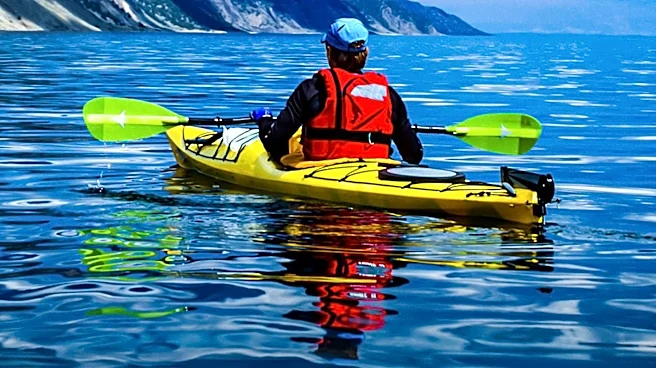
Rogue Community College is offering a sea kayaking course, PE 185KC, designed for both beginners and experienced kayakers. The curriculum focuses on teaching students to maneuver sea kayaks in various ocean environments, adhering to the ACA’s Essentials
of Kayaking curriculum, Levels 1-3. The course aims to enhance participants' enjoyment of ocean paddling and appreciation for the marine environment. Key skills covered include personal preparation for kayaking trips, correct use of spray skirts, techniques for entering and exiting a kayak, effective paddle control, identification of marine hazards and ocean hydrology, and kayak safety and rescue procedures. Students must be 18 or older to register and meet certain physical prerequisites, such as independent breathing and mobility. An additional course fee covers rafts, equipment, and transportation, though students are responsible for their own transportation and meals during trips.
Why It's Important?
This course is important as it provides structured, professional training in sea kayaking, a recreational activity that can be challenging and requires specific skills for safety. By offering a curriculum based on ACA standards, Rogue Community College contributes to promoting safe practices and skill development in water sports. This initiative can boost local tourism and recreational economies by equipping individuals with the confidence and expertise to engage in ocean-based activities. For participants, mastering these skills offers lifelong recreational enjoyment and fitness benefits, potentially fostering a greater connection to coastal environments and encouraging responsible outdoor recreation. The emphasis on safety and rescue procedures is particularly crucial, reducing risks associated with sea kayaking and making the activity more accessible to a wider audience.
What's Next?
The course is repeatable for additional credit, suggesting an ongoing commitment from Rogue Community College to provide this specialized training. Prospective students can anticipate future offerings of PE 185KC, allowing for continued skill refinement or new enrollments. The college will likely continue to discuss clothing requirements at the first meeting and collect additional course fees for equipment and transportation. The consistent availability of such courses could lead to a growing community of skilled kayakers in the region, potentially spurring more local kayaking events, clubs, and related businesses. The college may also explore expanding its outdoor adventure offerings based on the success and demand for this program.
Beyond the Headlines
Beyond the immediate benefits of skill acquisition, the course fosters a deeper appreciation for marine ecosystems and promotes environmental stewardship among participants. Learning to navigate and understand ocean environments can lead to increased awareness of conservation issues and encourage sustainable recreational practices. The physical demands of sea kayaking also contribute to overall health and well-being, offering a unique blend of exercise and mental engagement with nature. Furthermore, the structured learning environment, with its focus on safety and rescue, instills a sense of responsibility and preparedness that extends beyond the water, potentially influencing how individuals approach other outdoor activities and emergency situations.