



What's Happening?
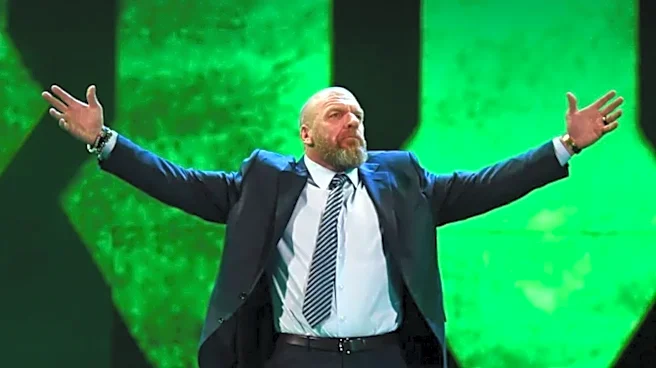
WWE Hall of Famer Kevin Nash has stated he will not be joining WWE's creative team, despite reports indicating the potential retirement of longtime executive Bruce Prichard after WrestleMania 43. Prichard, currently the Executive Director of Creative
Writing & Talent (CWT), is reportedly planning to step down following next year's major event. Nash, a close friend of WWE Chief Content Officer Paul “Triple H” Levesque, cited his age and a disinterest in the demanding, full-time commitment required for such a role. While he expressed openness to a remote, video-meeting arrangement, Nash acknowledged that effective creative contribution would necessitate a deeper, in-person immersion into the current product and direct interaction with the roster. He emphasized the importance of understanding performers and their characters to successfully book matches and storylines. Nash's decision comes despite his extensive experience in the wrestling industry, both as a performer and in backstage capacities.
Why It's Important?
Kevin Nash's refusal to join WWE's creative team has significant implications for the company's future creative direction, especially with the reported departure of Bruce Prichard. Prichard's long tenure and influence mean his absence will leave a substantial void, and the search for a successor or a new creative structure will be critical. Nash's perspective highlights the challenges of maintaining a fresh and engaging product, emphasizing that a deep, hands-on understanding of the current roster is essential for effective storytelling. His comments underscore the complexity of creative roles in professional wrestling, where character development and audience connection are paramount. For WWE, this means a continued reliance on its existing creative team, led by Paul Levesque, to navigate the post-Prichard era and potentially seek out new talent with the dedication and immersive approach Nash described. The decision also reflects a broader trend in entertainment where veteran figures may prefer less demanding roles, impacting the transfer of institutional knowledge and experience.
What's Next?
With Kevin Nash ruling out a creative position, WWE will likely continue its internal assessment of creative leadership, particularly if Bruce Prichard's reported retirement after WrestleMania 43 materializes. The company has not yet officially confirmed Prichard's departure or announced any changes to its creative leadership. The focus will remain on Paul “Triple H” Levesque and the existing creative team to manage the transition and maintain the quality of WWE's programming. The company may explore other experienced individuals within the industry who are willing to commit to the demanding nature of a full-time creative role. The need for a thorough understanding of the current product and direct engagement with talent, as highlighted by Nash, will be a key consideration in any future creative appointments. Fans and industry observers will be watching closely for any official announcements regarding Prichard's status and potential shifts in WWE's creative hierarchy.
Beyond the Headlines
Kevin Nash's candid remarks about the demands of a creative role in WWE shed light on the intense pressure and commitment required behind the scenes of a major entertainment enterprise. His emphasis on the need for deep immersion and direct interaction with talent goes beyond mere storyline development; it speaks to the cultural and interpersonal dynamics that shape a successful wrestling product. This highlights a broader challenge in creative industries: balancing the need for fresh perspectives with the invaluable experience of veterans. The potential departure of a long-standing figure like Bruce Prichard, coupled with the reluctance of seasoned personalities like Nash to step into such demanding roles, could signal a generational shift in creative leadership. It also raises questions about how WWE will cultivate and integrate new creative talent, ensuring that the product remains relevant and engaging while honoring its rich history and established storytelling traditions. The evolving landscape of media consumption and the increasing demands for diverse and compelling content further amplify these creative challenges.