







What's Happening?
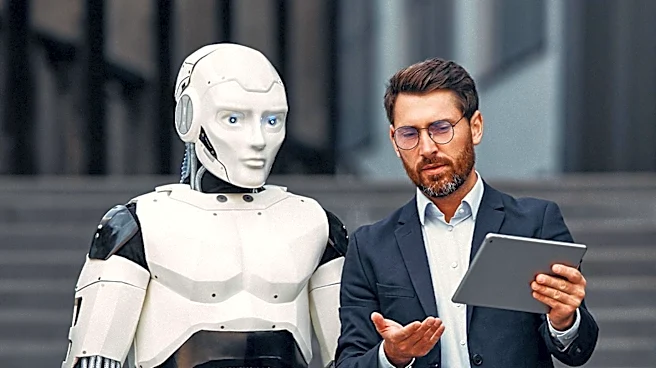
H&M Group is implementing an online assessment tool called Maki for skills-based selection of sales advisor applicants in some of its U.S. stores. This tool uses an AI-created avatar to present multiple-choice questions designed by the H&M hiring team
to evaluate candidates' abilities for the position. The assessment calculates a total score based on predefined point values. While the assessment is optional, the score is one factor considered by the hiring team alongside the entire application. H&M Group emphasizes that Maki is not an automated decision-making tool, and the hiring team reviews all aspects of an application. Applicants can request an alternative assessment method if they have difficulties or concerns with the online process, and choosing an alternative will not affect their chances of being considered. The company also states that it does not sell information captured in the questionnaire or use personal information to train AI models.
Why It's Important?
The adoption of AI-powered assessment tools by a major retailer like H&M Group has significant implications for the U.S. job market and recruitment practices. This technology aims to streamline the hiring process and potentially reduce unintentional biases often associated with traditional methods, such as cover letters. For job seekers, it introduces a new element to the application process, requiring adaptation to digital assessment formats. For employers, it offers a standardized way to evaluate skills, potentially leading to more efficient and objective candidate selection. However, it also raises questions about digital accessibility and the potential for new forms of bias if not carefully managed. The company's transparency about the tool's function and the option for alternative assessments are crucial for maintaining fairness and trust in the recruitment process.
What's Next?
H&M Group will likely continue to refine its use of the Maki assessment tool, potentially expanding its implementation to more stores or roles if it proves effective in identifying suitable candidates and improving hiring efficiency. The company's commitment to fair and equitable processes suggests ongoing monitoring and adjustments to ensure the tool's integrity and address any emerging concerns. Other retailers in the U.S. may observe H&M Group's experience with AI-driven recruitment and consider adopting similar technologies. This trend could lead to a broader shift in how entry-level retail positions are filled, with a greater emphasis on skills-based assessments and digital evaluation methods. The focus on not using personal data to train AI models and offering alternative assessment methods will be critical for maintaining public and regulatory confidence.
Beyond the Headlines
The use of AI avatars in recruitment touches upon deeper ethical and societal considerations regarding the role of artificial intelligence in human resources. While aiming for objectivity, the design of assessment questions and the algorithms behind scoring still carry the potential for embedded biases, even if unintentional. The transparency and alternative options provided by H&M Group are important steps, but the broader conversation about algorithmic fairness and accountability in hiring will continue to evolve. This development also highlights the increasing digitalization of the job search experience, which could create barriers for individuals without access to technology or digital literacy. As AI becomes more prevalent in hiring, ensuring equitable access and understanding of these tools will be a critical challenge for both companies and policymakers.