







What's Happening?
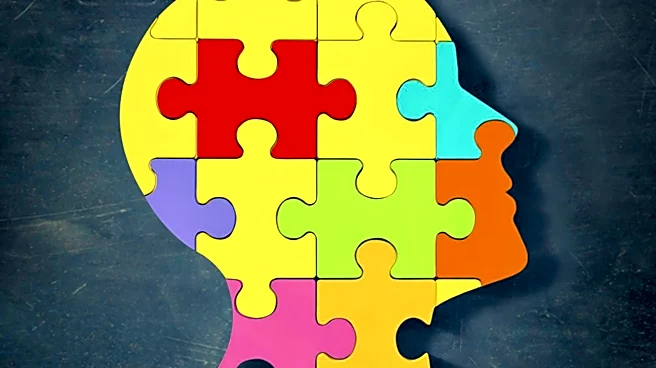
Recent discussions in psychology emphasize that individuals who struggle in traditional classroom settings may excel in other forms of intelligence not measured by standard educational systems. This perspective challenges the notion of 'slow learners'
by highlighting skills such as reading a room, fixing an engine, or sensing others' needs. Studies, such as those by Howard Gardner and Robert Sternberg, suggest that intelligence is multifaceted, encompassing practical and emotional intelligence alongside traditional academic skills. These insights argue for a broader understanding of intelligence that recognizes diverse talents and abilities.
Why It's Important?
This shift in understanding intelligence has significant implications for educational systems and societal perceptions of ability. By recognizing multiple intelligences, educators and policymakers can develop more inclusive and effective educational strategies that cater to a wider range of skills and learning styles. This approach could lead to better educational outcomes and more equitable opportunities for individuals whose strengths lie outside traditional academic metrics. It also challenges societal norms that prioritize certain types of intelligence over others, potentially reducing stigma and fostering a more inclusive environment.
Beyond the Headlines
The recognition of diverse intelligences could lead to long-term cultural shifts in how success and ability are defined. By valuing practical and emotional intelligence, society may begin to appreciate a broader range of contributions, from technical skills to interpersonal abilities. This could influence hiring practices, educational curricula, and social attitudes, ultimately leading to a more holistic understanding of human potential. Such changes could also encourage individuals to pursue careers and activities that align with their unique strengths, contributing to personal fulfillment and societal progress.