



What's Happening?
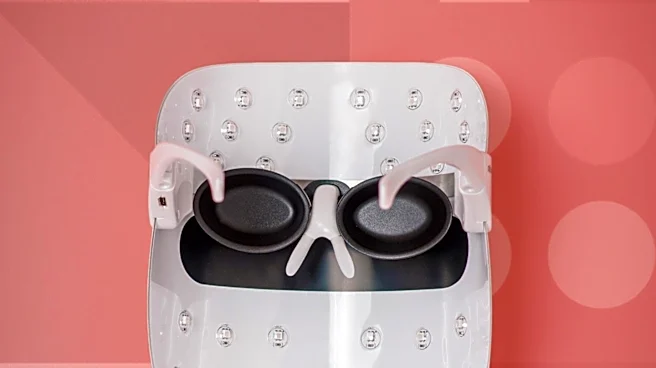
LED face masks have become a prominent feature in the skincare world, with many claims circulating about their effectiveness. Scientific research supports that LED light therapy can improve certain skin concerns, particularly mild to moderate acne and
visible signs of aging. Different wavelengths of light interact uniquely with the skin: red light may aid collagen production and improve fine lines, blue light targets acne-causing bacteria, and near-infrared light is being studied for its effects on skin repair and inflammation. However, the results depend on the specific device, wavelength, treatment schedule, and individual skin concerns. Common myths include the idea that LED masks deliver instant results, that more light means better results, or that they can replace an entire skincare routine.
Why It's Important?
The proliferation of LED mask technology in the consumer market signifies a growing interest in at-home beauty devices and advanced skincare solutions. Understanding the factual basis of LED therapy is crucial for consumers to make informed decisions and manage expectations. Misinformation can lead to ineffective product choices, financial waste, and potential disappointment. For the beauty industry, accurately communicating the science behind these devices is vital for maintaining credibility and fostering consumer trust. This trend also highlights the ongoing convergence of technology and personal care, pushing the boundaries of traditional skincare and offering new avenues for addressing various dermatological concerns outside of professional settings.
What's Next?
As LED mask technology continues to evolve, consumers can expect further advancements in device design, efficacy, and accessibility. Future developments may include more personalized treatment options, integration with smart technology for customized routines, and potentially more targeted wavelengths for specific skin conditions. Regulatory bodies may also increase scrutiny to ensure product safety and accurate claims, leading to clearer labeling and standards for at-home devices. The market will likely see a continued influx of new products, necessitating a greater emphasis on scientific validation and transparent communication from manufacturers to differentiate effective solutions from less reliable ones.
Beyond the Headlines
The rise of LED mask technology reflects a broader cultural shift towards self-care and the democratization of advanced beauty treatments. It empowers individuals to take a more active role in their skincare journey, moving away from exclusive reliance on professional services. This trend also raises ethical considerations regarding accessibility, as high-quality devices can be expensive, potentially creating a divide in who can benefit from these innovations. Furthermore, the emphasis on scientific backing for beauty claims underscores a growing demand for evidence-based products, challenging the industry to move beyond anecdotal marketing and embrace rigorous research. This could lead to a more informed consumer base and a more responsible approach to product development in the beauty sector.