

What's Happening?
Honda, the engine partner for Aston Martin in Formula 1, is grappling with a new and concerning reliability problem, the root cause of which remains unknown and may not be identified before the end of the 2026 season. This issue became prominent during
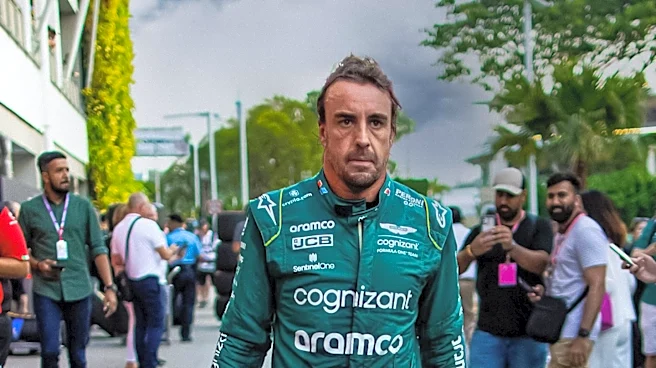
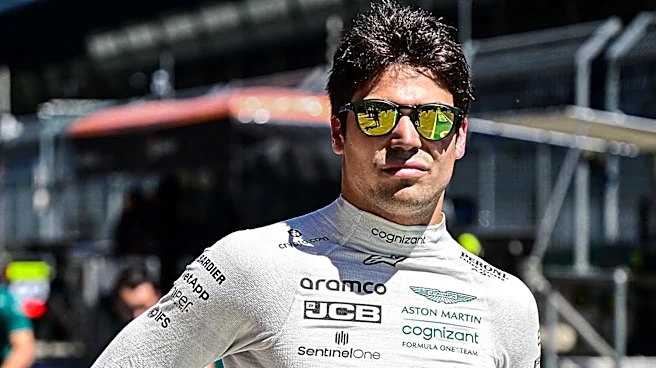
the Brazil Grand Prix, where Lance Stroll experienced two separate battery problems, leading to his retirement. This marks a regression in reliability for Honda, which had shown improvements mid-season, allowing Fernando Alonso to score points. Alonso himself has faced seven retirements this season due to various technical issues, including a cooling system problem in Mexico. Shintaro Orihara, Honda's lead trackside engineer, confirmed that while they know what happened, the underlying cause is still a mystery. This lack of understanding is particularly worrying as it echoes earlier season problems where Honda could identify consequences but not the precise root cause. The current battery issue is distinct from previous MGU-K problems, but the recurring theme is a lack of robustness in Honda's engine, which is not appearing in simulations.
Why It's Important?
The ongoing reliability issues with Honda's power units have significant implications for Aston Martin's performance and future competitiveness in Formula 1. Despite chassis improvements, as noted by Fernando Alonso, the engine's fragility and lack of straight-line speed are undermining the team's potential. This situation puts Honda under immense pressure, especially as it develops its engine for the 2027 season, when new regulations will come into effect. The time and resources spent troubleshooting current problems divert focus and budget from crucial 2027 development, potentially hindering Honda's ability to deliver a competitive and reliable power unit. For Aston Martin, this means a continued struggle to compete at the front of the grid, impacting their ability to attract top talent and sponsors. Fernando Alonso has openly expressed his frustration, stating he is 'not enjoying it at all' due to fighting with 'different tools' than competitors, highlighting the severe impact on driver morale and team aspirations.
What's Next?
Honda engineers are working to implement countermeasures for upcoming races, including Las Vegas, while simultaneously trying to identify the root cause of the battery issue for a proper fix by 2027. The immediate focus is on preventing further failures, but the long-term challenge is to ensure the 2027 power unit is both powerful and reliable. This troubleshooting process will consume valuable human resources, dyno hours (which are limited under F1 regulations), and financial resources under the engine cost cap. The pressure is on Honda to make significant strides in both performance and reliability for the next season, as any continued issues could jeopardize Aston Martin's ambitions and Alonso's future enjoyment and commitment to the sport. The team will likely continue to push for engine upgrades and reliability fixes throughout the remainder of the current season, with a keen eye on the crucial 2027 development cycle.
Beyond the Headlines
The recurring reliability problems for Honda highlight a deeper challenge in modern Formula 1 engine development: the complexity of hybrid power units. The intricate integration of internal combustion engines with energy recovery systems (ERS) means that a single component failure can cascade into significant performance losses or complete retirements. Honda's struggle to identify root causes, even with advanced telemetry and simulation tools, suggests a potential gap in their diagnostic capabilities or an unforeseen interaction within the complex system. This situation could lead to broader discussions within F1 about the balance between technological innovation and reliability, and whether the current engine regulations are pushing manufacturers to the brink of what is practically achievable. For Aston Martin, this period of engine unreliability tests the resilience of their partnership with Honda and their long-term strategic vision, especially given their significant investments in facilities and personnel like Adrian Newey.