




What's Happening?
The European Union and the UK are reportedly close to finalizing a deal to link their carbon markets. This agreement is expected to be a key outcome of the November 20 meeting between UK and EU leaders. The linkage would allow for mutual recognition of carbon permits
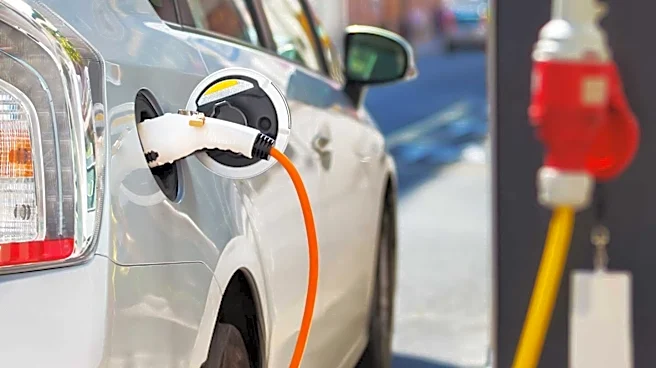
from both markets, benefiting companies operating in both regions by streamlining compliance and potentially reducing costs associated with carbon border taxes. The deal also includes commitments to minimize the impact of trade measures on vulnerable sectors such as steel and electric cars, and to enhance cooperation on cyber threats. The EU's carbon market, established in 2005, sets gradually decreasing emissions limits for approximately 10,000 facilities across various sectors, including steel, cement, fertilizers, power production, and aviation. This move comes almost six years after the UK initiated its own cap-and-trade program following Brexit.
Why It's Important?
This impending agreement holds significant importance for U.S. businesses and global trade dynamics. A linked EU-UK carbon market could set a precedent for international carbon pricing mechanisms, influencing how other major economies, including the U.S., approach carbon emissions and trade. For U.S. companies with operations or supply chains involving both the EU and UK, the deal could simplify carbon compliance and potentially reduce the administrative burden and costs associated with differing regulatory frameworks. The commitment to minimize trade measure effects on sectors like steel and electric cars is particularly relevant, as these industries are often subject to tariffs and trade disputes, which can impact U.S. manufacturers and consumers. The deepening cooperation on cyber threats also highlights a growing international focus on digital security, an area of increasing concern for U.S. national security and economic stability.
What's Next?
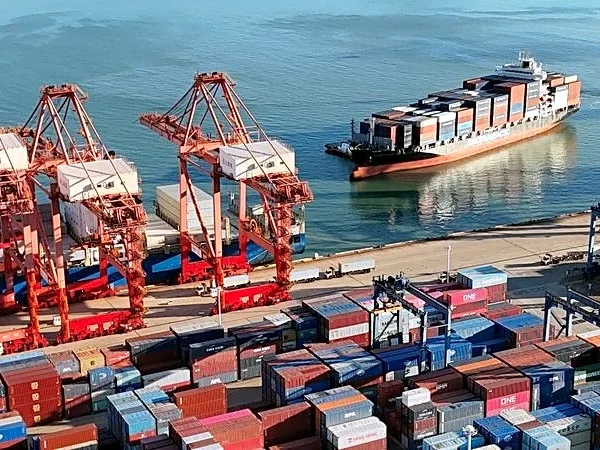
The linkage deal is anticipated to be announced at the upcoming November 20 meeting of UK and EU leaders. Following this, the agreement will require ratification by both the UK and the EU, a process that involves the European Parliament and member states in the EU Council. It is expected to enter into force a month after notifications regarding two other deliverables: an SPS agreement on sanitary and phytosanitary standards and a solution for a youth mobility scheme. The parties may also choose to provisionally apply the deal before its official entry into force. This will lead to further alignment of carbon prices between the UK and EU, potentially increasing costs for UK firms but improving liquidity and reducing Carbon Border Adjustment Mechanism (CBAM)-related expenses for trade between the two entities.
Beyond the Headlines
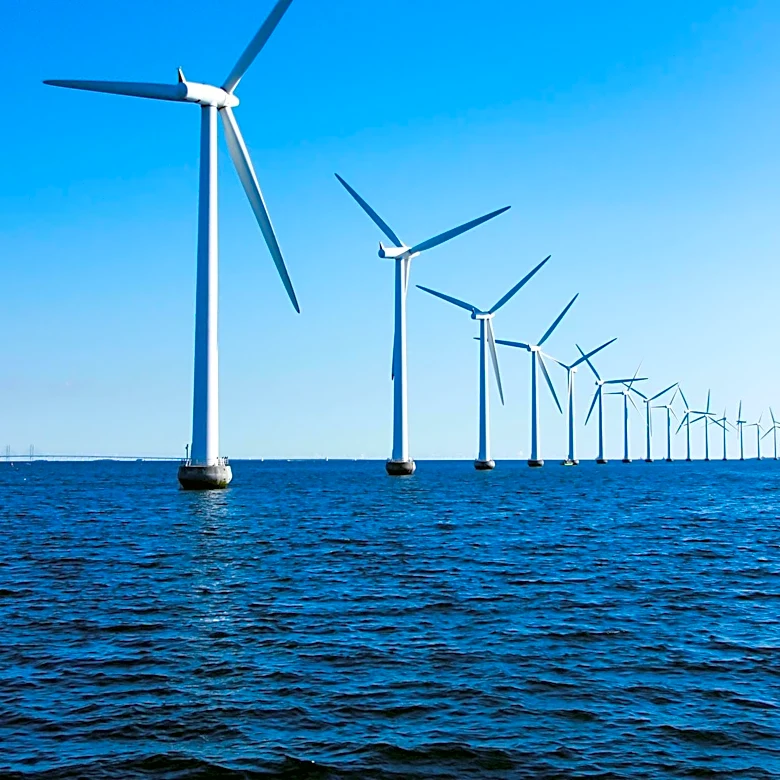
The potential linking of the EU and UK carbon markets represents a significant step towards greater environmental policy alignment post-Brexit, and it could influence broader international climate efforts. This move underscores a global trend towards integrating climate policy with trade policy, as evidenced by the EU's Carbon Border Adjustment Mechanism (CBAM). For the U.S., this development could intensify discussions around its own carbon pricing mechanisms and the implications for its trade relationships. The agreement's focus on minimizing trade impacts on specific sectors like steel and electric cars also highlights the complex interplay between environmental goals, industrial competitiveness, and international trade rules, potentially leading to new models for managing these tensions on a global scale. The emphasis on cyber threat cooperation also points to the evolving nature of international partnerships, extending beyond traditional economic and political spheres to encompass shared digital security challenges.