



What's Happening?
Sweet-Haus Tiny Cabin Company has launched a new 'Modern Farmhouse' tiny house, designed to offer a comfortable living experience on wheels with a focus on indoor/outdoor living. This spacious tiny home is built on a quad-axle trailer, measuring 46 feet
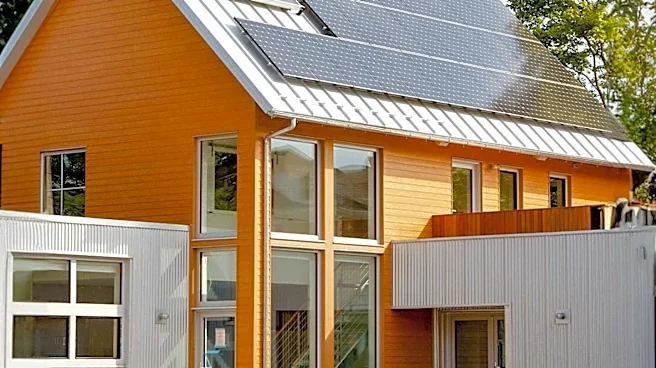
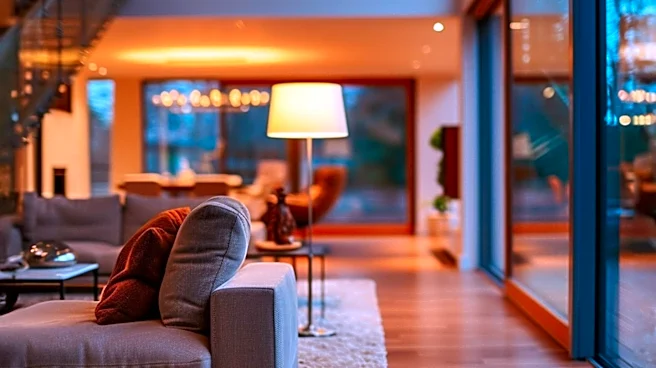
(14 meters) long and 12 feet (3.6 meters) wide, making it notably large for a mobile dwelling. The exterior features engineered wood and a metal roof, blending contemporary lines with traditional farmhouse aesthetics. Inside, the 400 sq ft (37 sq m) layout includes an open-concept design with rustic decor, timber walls, and vinyl flooring. Key interior features are a well-equipped kitchen, a living room with an electric fireplace, and two bedrooms. The design emphasizes a large front porch to encourage outdoor living.
Why It's Important?
The introduction of larger, more amenity-rich tiny homes like the Modern Farmhouse by Sweet-Haus Tiny Cabin Company reflects a growing trend in the U.S. housing market. This development is significant for individuals and families seeking alternative housing solutions that combine mobility with comfort and style. The increased size and features, such as multiple bedrooms and a full kitchen, address common limitations of traditional tiny homes, potentially broadening their appeal to a wider demographic, including those with families or those desiring more living space without the commitment of a traditional fixed foundation home. This trend could impact the recreational vehicle (RV) market and the broader housing industry by offering a hybrid option that blurs the lines between mobile living and conventional homeownership, potentially influencing zoning laws and community development in areas open to alternative housing structures.
What's Next?
The success and adoption of larger tiny homes like the Modern Farmhouse could lead to increased innovation in the mobile housing sector, with other manufacturers potentially following suit by offering more spacious and feature-rich designs. This might also prompt a reevaluation of regulations concerning tiny homes and mobile dwellings in various U.S. municipalities, as their growing popularity and evolving designs challenge existing zoning and building codes. Consumers can expect to see more customization options and luxury features integrated into future tiny home models. Furthermore, the emphasis on indoor/outdoor living in this design may influence future architectural trends in compact housing, promoting designs that maximize connection with the natural environment.
Beyond the Headlines
The rise of the 'XL tiny house' like the Modern Farmhouse points to a deeper societal shift towards more flexible and sustainable living arrangements. This movement is not just about housing but also about lifestyle choices, including a desire for reduced environmental footprint, financial freedom, and the ability to relocate easily. The blend of modern amenities with rustic charm in these homes suggests a cultural preference for comfort and aesthetic appeal even in smaller spaces. This could also have implications for the construction industry, potentially driving demand for modular and prefabricated building techniques. The concept challenges traditional notions of homeownership and could foster new community models centered around mobile or semi-permanent dwellings, impacting social structures and urban planning in the long term.