




What's Happening?
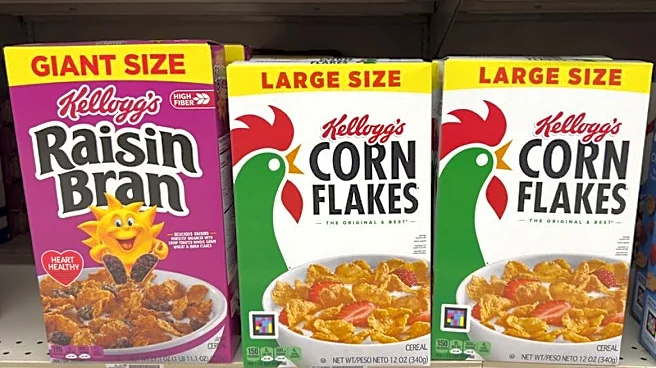
Major food and beverage companies, including Coca-Cola and PepsiCo, have been involved in numerous lawsuits against public health policies across several countries, including the US, between 2010 and 2025. These lawsuits primarily target regulations such
as front-of-pack labeling, advertising restrictions on junk food to children, and taxes on sugary and ultra-processed foods. Despite losing 82% of these cases, the companies have managed to delay the implementation of health policies, consuming public resources in the process. This legal strategy mirrors tactics previously used by the tobacco industry to contest regulations that could impact their profitability.
Why It's Important?
The actions of these food and beverage giants highlight a significant challenge in public health policy enforcement. By engaging in legal battles, these companies can delay regulations designed to improve public health, such as reducing obesity and related diseases. This not only affects public health outcomes but also places a financial burden on governments and taxpayers. The trend suggests a corporate strategy to prioritize profits over public health, raising ethical concerns about the role of such companies in policy-making. The outcome of these legal battles could set precedents for future public health initiatives and corporate accountability.
What's Next?
As these legal battles continue, governments may need to strengthen their legal frameworks to better support public health policies against corporate challenges. This could involve creating more robust laws with clear public health objectives and evidence bases, free from conflicts of interest. Additionally, public health advocates and civil society organizations may need to increase their efforts to counteract corporate influence in policy-making. The ongoing legal disputes could also prompt a reevaluation of the role of large food companies in public health discussions and policy development.