








What's Happening?
Gas prices in the U.S. could rise as tensions with Iran escalate, following President Trump's announcement that the ceasefire with Iran is over. The national average for regular gas is currently about $3.80 per gallon, but experts warn that prices could increase
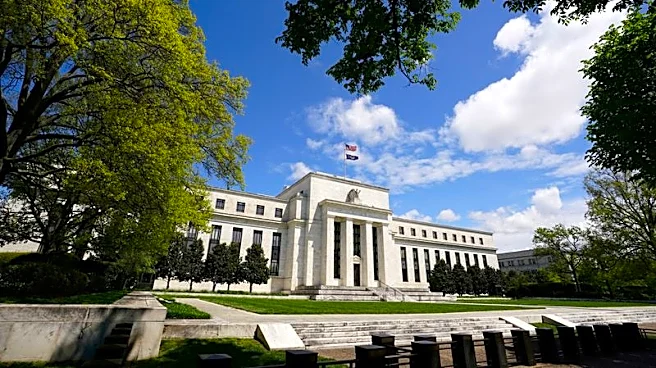
towards $4 per gallon. The Federal Reserve Bank of Richmond noted that at the peak in May, drivers were spending approximately $70 more per month on gasoline compared to before the conflict began. Financial planners suggest that consumers conduct a 'budget reset' to manage potential increases in gas expenses, advising them to review and adjust their spending habits.
Why It's Important?
The potential rise in gas prices could have widespread economic implications, affecting both individual consumers and the broader economy. Higher fuel costs can lead to increased transportation expenses, impacting the cost of goods and services. This could contribute to inflationary pressures, affecting consumer purchasing power. For individuals, managing personal budgets becomes crucial to absorb these additional costs. Financial planners emphasize the importance of reassessing spending priorities, particularly for those with tight budgets, to mitigate the impact of rising fuel prices.
What's Next?
Consumers may need to explore cost-saving measures, such as reducing discretionary spending or finding alternative transportation options. Policymakers and industry stakeholders might monitor the situation closely, considering potential interventions to stabilize fuel prices. The ongoing geopolitical tensions could also influence energy policy discussions, focusing on energy independence and diversification of energy sources to reduce vulnerability to international conflicts.