





What's Happening?
Concerns are being raised about stores like JapanLA, which sell 'blind box' toys such as Sonny Angels and Labubu, being perceived as akin to casinos for children. A letter to the editor in the Los Angeles Times describes these establishments as 'casinos
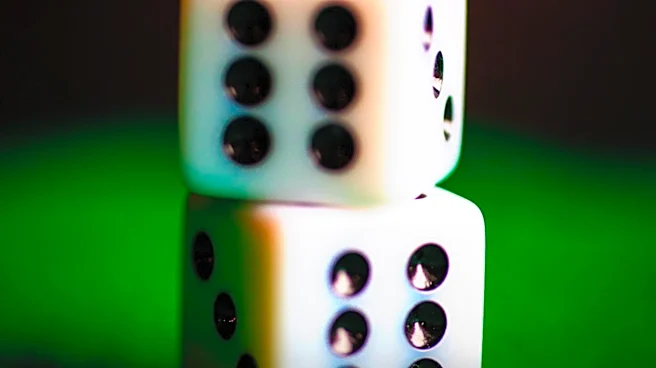
wrapped up in cute packages, geared to entice children.' The author expresses shock and horror at the marketing tactics, suggesting that consumers often receive a 'cute piece of plastic' that may not be the desired item and will eventually end up in a landfill with no real value. The core issue is the element of chance involved in purchasing these blind boxes, where the specific item received is unknown until opened, drawing parallels to gambling mechanisms.
Why It's Important?
This issue highlights a growing concern about the potential psychological impact of 'blind box' sales on children, particularly regarding the development of gambling-like behaviors. The thrill of uncertainty and the desire to collect specific, rare items can create a compulsive purchasing cycle, which some argue mirrors the addictive nature of gambling. If these purchasing patterns are established in childhood, there is a risk of a dramatic rise in gambling addictions in the future. Furthermore, the proliferation of these plastic toys contributes to environmental waste, as many unwanted or duplicate items are likely to be discarded, adding to landfill burdens. This raises questions about corporate responsibility in marketing practices to vulnerable populations and the long-term societal and environmental consequences.
What's Next?
The rising public awareness and concerns, as evidenced by the letter to the editor, may lead to increased scrutiny of marketing practices for 'blind box' toys. This could prompt discussions among consumer advocacy groups, parents, and potentially lawmakers about regulating the sale of such products, especially when targeted at children. Retailers and toy manufacturers might face pressure to re-evaluate their packaging and sales strategies to mitigate the perceived gambling element. There could also be a push for greater transparency regarding the odds of obtaining specific items or for alternative sales models that reduce the element of chance. The environmental impact of these plastic toys may also become a more prominent part of the conversation, encouraging more sustainable toy production and disposal methods.
Beyond the Headlines
The phenomenon of 'blind box' toys delves into the psychological underpinnings of consumer behavior, particularly the human attraction to novelty and the 'gamification' of everyday experiences. For children, the excitement of an unknown prize can be incredibly compelling, potentially fostering a reward-seeking loop that is difficult to break. This trend also reflects broader cultural shifts in collecting and consumerism, where the pursuit of rare or limited-edition items drives significant market activity. The ethical implications extend to how industries design products and marketing campaigns that might inadvertently exploit psychological vulnerabilities, especially in younger demographics. Addressing this issue requires a nuanced understanding of child development, consumer psychology, and the societal responsibilities of businesses.