





What's Happening?
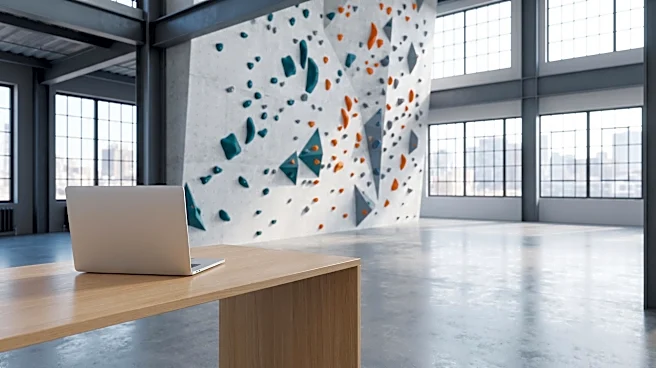
Chicago is experiencing a significant shift in its co-working landscape, with a growing trend of spaces that combine work environments with recreational activities like climbing gyms and dog parks. Dan Bartz, co-founder of First Ascent, initially joked
about a co-working climbing space in 2017, but the concept gained traction, leading to the integration of desks within their Chicago climbing gyms. Members now engage in 'movement snacks,' quick climbing sessions that foster social connections. This trend reflects a broader desire among Chicagoans for work environments that creatively integrate their lives, moving away from traditional office settings and even conventional work-from-home routines. The city, which has the nation's second-largest co-working market, also faces high office vacancy rates, indicating a demand for alternative work solutions. New operators are driving this expansion, with 40 out of 64 new co-working locations in Chicago last year being from these unconventional providers, according to CoworkingCafe.
Why It's Important?
This evolution in co-working spaces signifies a fundamental change in how Americans perceive and utilize their work environments, particularly in urban centers like Chicago. The integration of lifestyle elements such as fitness and pet care into professional settings challenges the traditional separation of work and personal life. This shift has implications for commercial real estate, as traditional office buildings struggle with high vacancy rates while specialized co-working spaces thrive. Businesses that adapt to this demand for integrated, amenity-rich work environments may gain a competitive edge in attracting and retaining talent. Conversely, companies clinging to outdated office models risk losing employees to more flexible and engaging alternatives. The trend also highlights a societal desire for community and connection, as individuals seek spaces that facilitate friendships and shared interests beyond just professional tasks, potentially impacting mental well-being and work-life balance.
What's Next?
The continued growth of specialized co-working spaces suggests that more businesses and real estate developers will likely explore similar hybrid models, incorporating diverse amenities to attract members. This could lead to further innovation in urban planning and commercial property development, with a focus on creating multi-functional spaces. Traditional office landlords may need to re-evaluate their offerings, potentially retrofitting existing spaces with more appealing amenities or partnering with co-working providers. The success of these models could also influence corporate policies regarding remote and hybrid work, as employers might seek to replicate the benefits of community and engagement found in these specialized co-working environments. However, the long-term impact on productivity and career progression in these less traditional settings remains an area for further research, as noted by economists who study remote work.
Beyond the Headlines
The rise of these integrated co-working spaces points to a deeper cultural shift in the perception of 'work.' The traditional 'work-life balance' concept, which often implies a strict separation, is being replaced by a desire for 'work-life integration,' where professional and personal pursuits can coexist and even enhance each other. This trend also raises questions about the nature of community and social interaction in an increasingly digital world. While these spaces offer opportunities for connection, sociologists like Gary Alan Fine caution that communities built around shared interests might become insular, potentially limiting exposure to diverse perspectives crucial for personal and professional growth. The ethical implications of employers potentially blurring the lines between work and leisure, and the impact on employee expectations for workplace amenities, are also emerging considerations.