



What's Happening?
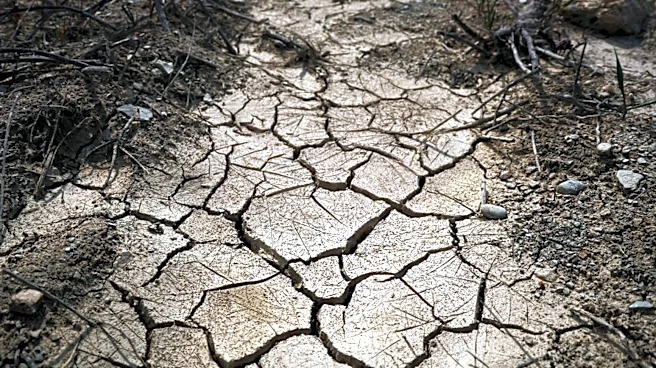
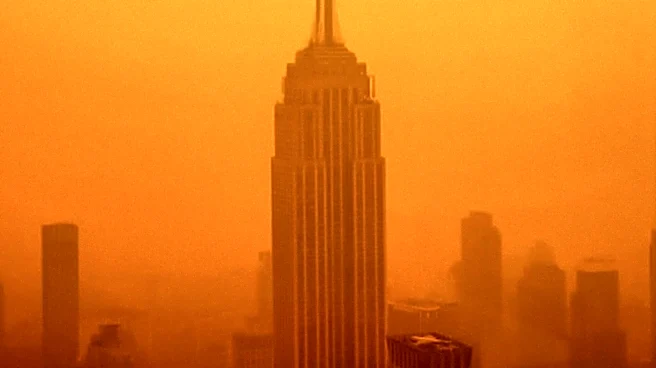
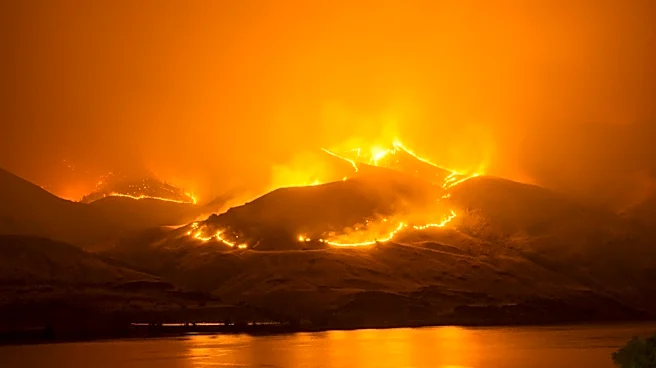
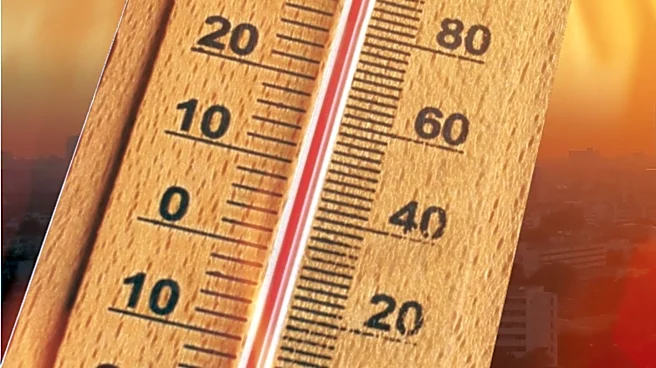
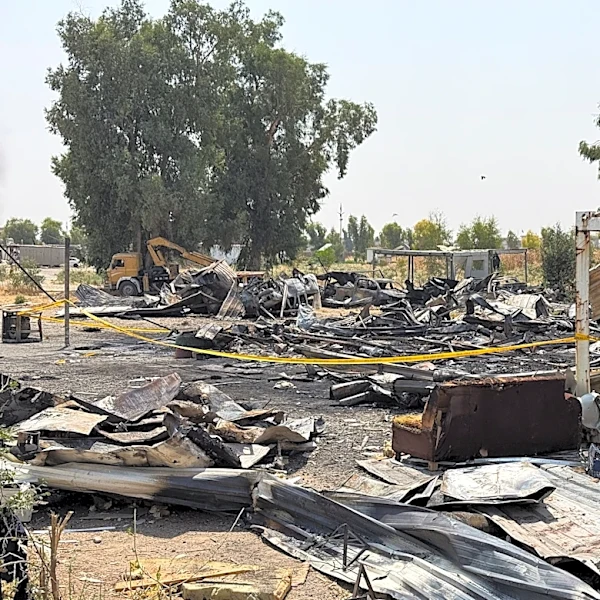
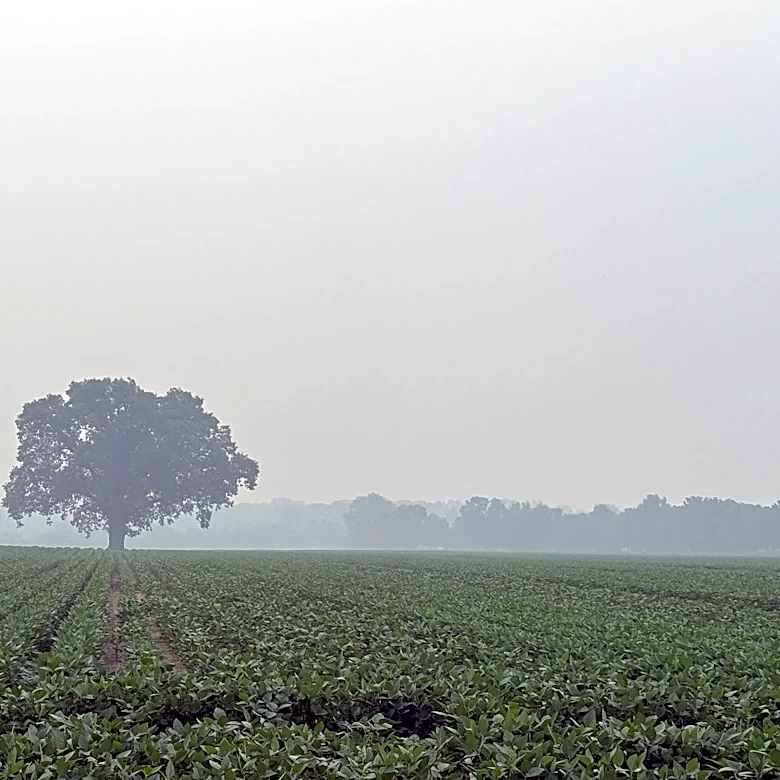
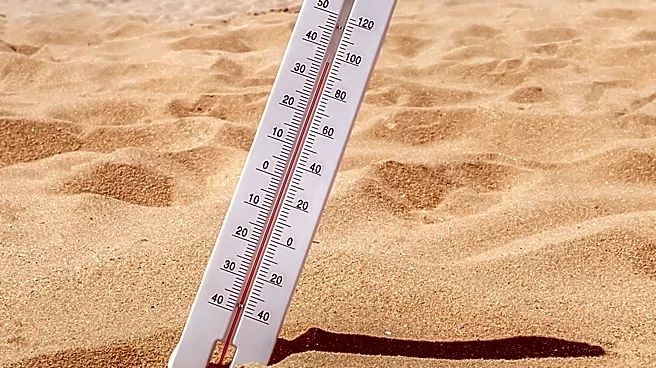
Summer camps across the United States are adapting to the challenges posed by climate change, as extreme weather events become more frequent. Camps are facing issues such as hazardous air quality from wildfire smoke, extreme heat, and unpredictable weather patterns.
These conditions have forced camps to modify activities, move programs indoors, and, in some cases, evacuate. The American Camp Association notes that the frequency of extreme weather events is increasing, impacting the traditional summer camp experience. Camp directors are implementing safety plans and finding creative solutions to ensure the safety and enjoyment of campers.
Why It's Important?
The impact of climate change on summer camps highlights the broader societal challenges of adapting to a changing environment. As extreme weather events become more common, organizations and communities must develop strategies to mitigate risks and ensure safety. For children, summer camps are an important opportunity for socialization and skill development, making it crucial to preserve these experiences despite environmental challenges. The situation underscores the need for increased awareness and action on climate change, as well as the importance of resilience and adaptability in the face of environmental shifts.
What's Next?
Summer camps will continue to refine their safety protocols and adapt their programs to accommodate changing weather conditions. This may involve investing in infrastructure improvements, such as air filtration systems and shaded areas, to protect campers from extreme heat and poor air quality. Additionally, camps may explore partnerships with environmental organizations to educate campers about climate change and sustainability. The ongoing adaptation of summer camps could serve as a model for other sectors facing similar challenges due to climate change.