



What's Happening?
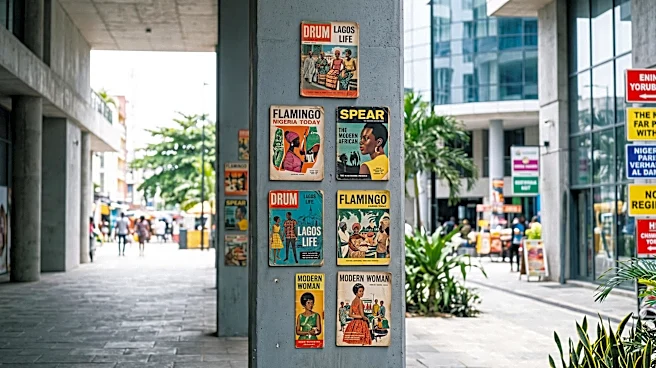
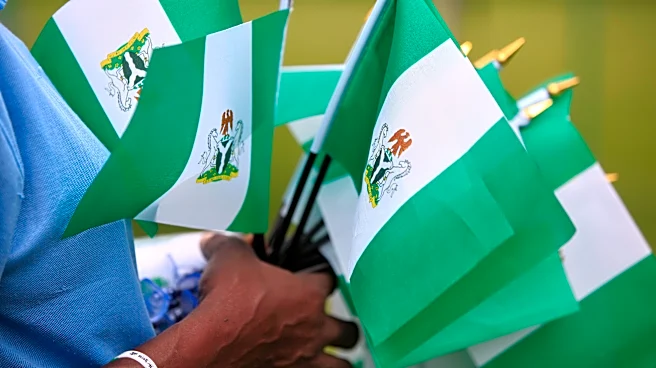
Lagos, Nigeria, is currently hosting Lagos Art Week, with ART X Lagos serving as its centerpiece. This event, West Africa’s premier and largest art fair, runs from November 5-8 at the Federal Palace Hotel on Victoria Island, with additional exhibitions
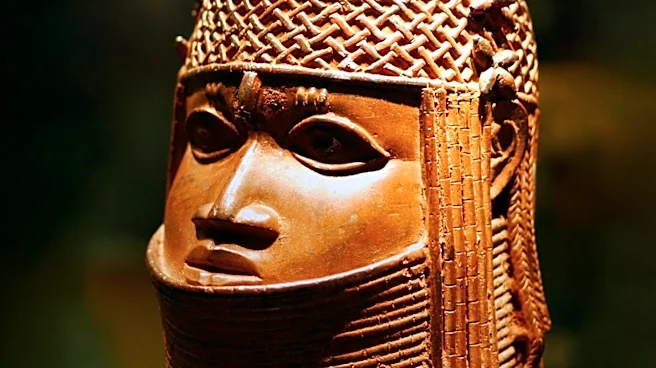
in galleries and museums across Lagos. The program includes exhibitions, installations, music, discussions, and film screenings. A key focus of this year's event is the exploration of cultural erosion, migration, and belonging, examining how art can preserve collective memory and reconnect individuals with their heritage. The fair also highlights a cultural aspect of Lagos beyond its commercial reputation. Exhibitions feature works like Ndidi Dike's 'Residues of Past Encounters II,' which addresses the transatlantic slave trade and contemporary migration, and 'Beyond the Vessel,' celebrating the legacy of Nigerian potter Ladi Kwali. The event also includes an educational program that has introduced over 750 schoolchildren to contemporary art.
Why It's Important?
While primarily focused on West African art and culture, the themes explored at Lagos Art Week, such as migration, cultural erosion, and the preservation of heritage, resonate globally and have implications for international cultural exchange and understanding. The fair's aim to widen access to art, particularly for younger generations, contributes to the development of future artists and art enthusiasts, potentially fostering cross-cultural dialogues and collaborations. The celebration of artists like Ladi Kwali, whose work has gained international recognition, underscores the global impact of African art and its contribution to the broader art world. The event also serves as a platform for discussing pressing social issues, such as the impact of historical displacement and contemporary migration, which are relevant to global policy discussions and humanitarian efforts.
What's Next?
Lagos Art Week is expected to conclude on November 8, with its various exhibitions and programs. The discussions and artistic expressions presented during the event are likely to continue to influence cultural discourse in Nigeria and potentially beyond. The educational initiatives, which have engaged hundreds of schoolchildren, are anticipated to foster a new generation of artists and art appreciators, ensuring the continued growth and evolution of the West African art scene. The ongoing focus on themes of identity, history, and belonging suggests that future editions of ART X Lagos and Lagos Art Week will likely continue to explore these critical subjects, further solidifying the event's role as a significant cultural platform.
Beyond the Headlines
Beyond the immediate artistic and cultural showcase, Lagos Art Week delves into profound ethical and historical dimensions. Ndidi Dike's installation, for instance, draws a direct correlation between the transatlantic slave trade and contemporary migration, highlighting the enduring impact of historical injustices on present-day realities. This connection prompts a deeper reflection on global responsibilities concerning migration and human dignity. The fair's emphasis on preserving cultural heritage, particularly through the celebration of figures like Ladi Kwali, underscores the importance of indigenous knowledge and artistic traditions in a rapidly globalizing world. It challenges the notion that innovation must abandon cultural inheritance, instead advocating for a synthesis that draws strength from historical roots. The event also subtly addresses the role of art in social commentary and advocacy, as seen in the film 'Mothers of Chibok,' which aims to move audiences towards action on insecurity and attacks against girls.