




What's Happening?
Many individuals are seeking convenient and accessible ways to maintain fitness without the need for gym memberships or specialized equipment. Bodyweight exercises, which utilize an individual's own weight to build strength, are emerging as a popular
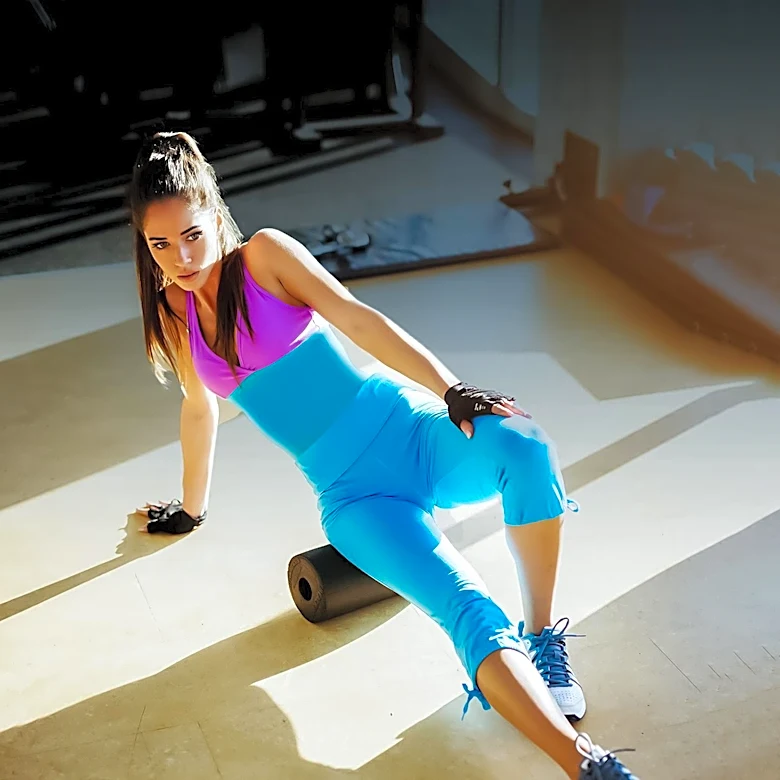
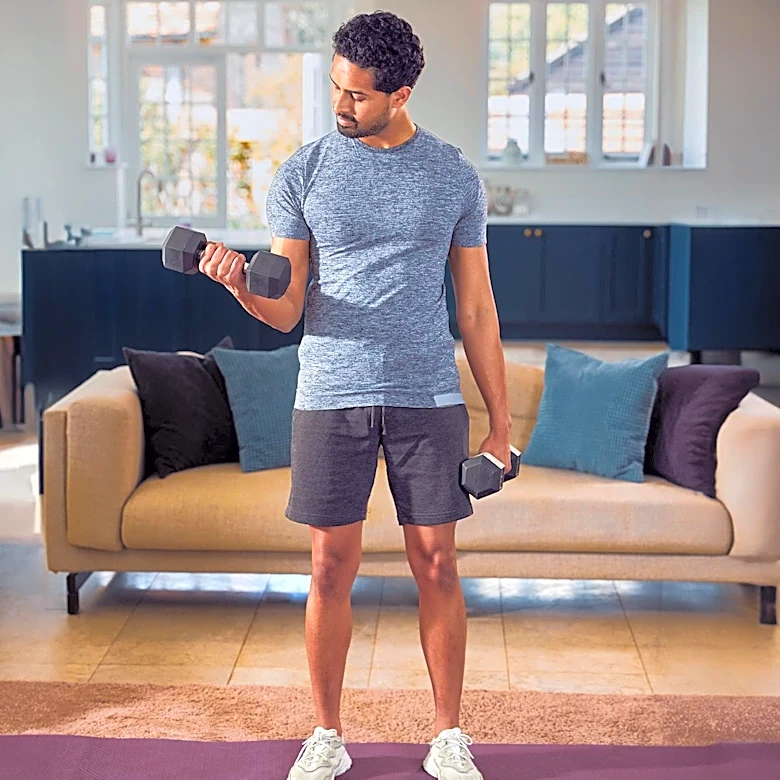
solution. These workouts can be performed in small spaces, such as a bedroom, making fitness more attainable for those with limited resources or time. Examples of such exercises include squats, lunges, push-ups, and jumping jacks. Beyond traditional strength training, activities like yoga, mat Pilates, cardio dance, and barre are also being adapted for at-home practice, often with the aid of online resources and video tutorials. These methods emphasize flexibility, core strength, cardiovascular health, and overall well-being, providing a diverse range of options for home-based fitness routines.
Why It's Important?
The rise of accessible, at-home workout options holds significant importance for public health and the fitness industry in the U.S. It democratizes fitness, removing financial and logistical barriers that often prevent individuals from engaging in regular physical activity. This shift can lead to improved public health outcomes by encouraging more people to adopt active lifestyles, potentially reducing the prevalence of sedentary-related health issues. For the fitness industry, it signals a growing demand for digital content, online classes, and bodyweight-focused programs, prompting a re-evaluation of traditional gym-centric models. This trend also empowers individuals to take greater control over their health and wellness journeys, fostering a more self-reliant approach to fitness that can be integrated seamlessly into daily life, regardless of external circumstances or economic constraints.
What's Next?
The trend towards accessible, at-home workouts is likely to continue evolving, with an increased focus on personalized digital fitness experiences. We can anticipate further development of mobile applications and online platforms offering tailored workout plans, virtual coaching, and interactive classes that cater to various fitness levels and preferences. The integration of wearable technology with these platforms will also become more sophisticated, providing real-time feedback and progress tracking. Additionally, there may be a greater emphasis on holistic wellness programs that combine physical exercise with mental health practices, such as mindfulness and meditation, all delivered within the convenience of one's home. This evolution will likely solidify the role of home-based fitness as a permanent and integral component of the broader health and wellness landscape.
Beyond the Headlines
The widespread adoption of bedroom workouts and bodyweight exercises has deeper implications for societal perceptions of fitness and body image. By shifting the focus from expensive gym equipment and specialized facilities to accessible, self-directed movement, it challenges the notion that fitness is an exclusive pursuit. This movement promotes a more inclusive and body-positive approach to exercise, emphasizing functional strength and overall well-being over aesthetic ideals often perpetuated by commercial fitness culture. It also highlights the ingenuity of individuals in adapting to constraints, fostering a sense of empowerment and resourcefulness in maintaining health. This cultural shift could lead to a more sustainable and less intimidating relationship with physical activity for many, ultimately contributing to a healthier and more resilient population.