





What's Happening?
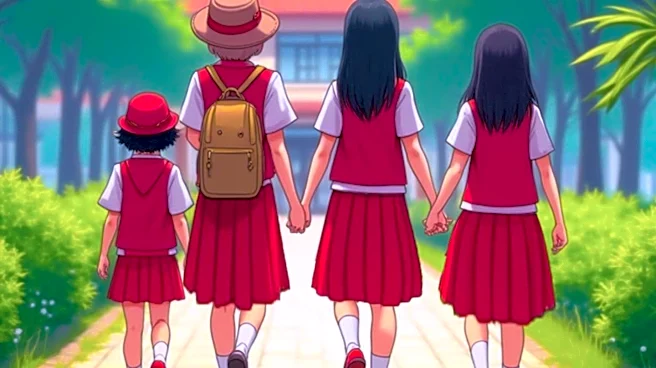
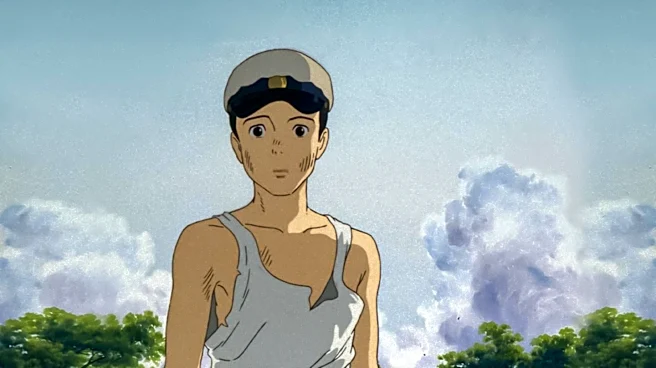
Studio Ghibli, the renowned Japanese animation studio, has clarified its position on artificial intelligence, stating it is not definitively anti-AI, despite previous comments attributed to co-founder Hayao Miyazaki. According to a Bloomberg report, the studio's
new president and CEO, Kenichi Yoda, and animation director Goro Miyazaki, indicated a neutral stance, suggesting they are not against AI technology itself. This comes three years after the release of their Oscar-winning film, 'The Boy and the Heron,' with no immediate plans for their next project. The studio maintains an approach that prioritizes artistic spontaneity over rigid planning, market research, or strict release schedules, a philosophy that contrasts sharply with the highly structured production pipelines of Western studios like Disney and Pixar. Nippon TV's acquisition of a majority stake in 2023 has not altered this operational ethos, with the TV chain reportedly avoiding pressure for franchise expansion.
Why It's Important?
Studio Ghibli's stance highlights a significant philosophical divergence within the global animation industry regarding technological adoption and creative processes. While many studios are exploring AI for efficiency and expansion, Ghibli's cautious neutrality underscores a commitment to traditional artistic values and human-centric creativity. This approach could influence other independent studios to prioritize artistic integrity over rapid technological integration, potentially fostering a diverse landscape of animation production methods. The studio's resistance to market-driven strategies and franchise expansion also challenges the prevailing business models in the entertainment industry, where intellectual property exploitation is often paramount. This could serve as a case study for the long-term viability of art-first business models in a rapidly evolving technological and commercial environment.
What's Next?
The studio's continued operation without a fixed production schedule or clear succession plan for Hayao Miyazaki suggests a future where artistic inspiration dictates output rather than corporate mandates. While Goro Miyazaki indicated that collaboration with outside directors is unlikely while his father is alive, the long-term evolution of Studio Ghibli without its iconic co-founder remains an open question. The studio's neutral stance on AI means it may eventually explore specific applications of the technology that align with its artistic principles, rather than adopting it wholesale for efficiency. The ongoing challenge for Studio Ghibli will be to maintain its unique identity and creative freedom amidst increasing industry pressures for commercialization and technological integration, especially as AI tools become more sophisticated and prevalent in creative workflows.
Beyond the Headlines
The deeper implication of Studio Ghibli's approach lies in its potential to redefine success in the creative industries. By rejecting the industrialization of art and embracing uncertainty, Ghibli offers an alternative model to the dominant, profit-driven paradigms. This philosophy extends beyond just AI adoption, touching upon broader questions of artistic autonomy, cultural preservation, and the value of human intuition in an increasingly automated world. The studio's emphasis on a strong work ethic and independent thinking, as evidenced by its internal 'rules' for employees, suggests a culture that values deep engagement and personal contribution over mere output. This could inspire a re-evaluation of creative labor and the role of technology in supporting, rather than supplanting, human artistry.