



What's Happening?
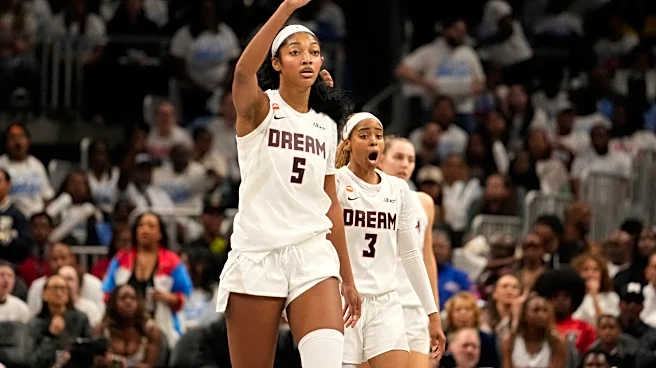
The Atlanta Dream's ownership has publicly criticized the WNBA for scheduling Game 6 of the WNBA Finals at 12:30 p.m. ET on Thursday. The game, originally set for 8 p.m., was moved to accommodate an Atlanta Hawks NBA game later that evening at State Farm
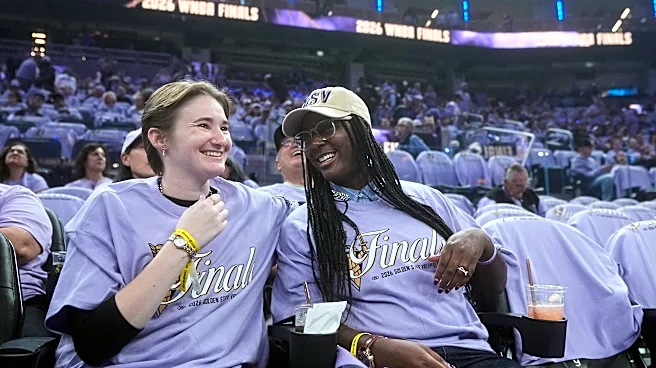
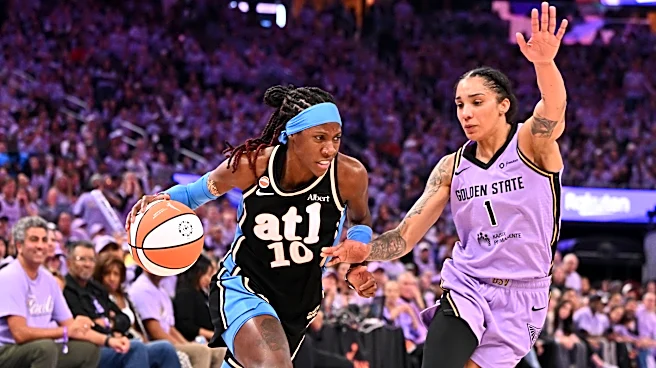
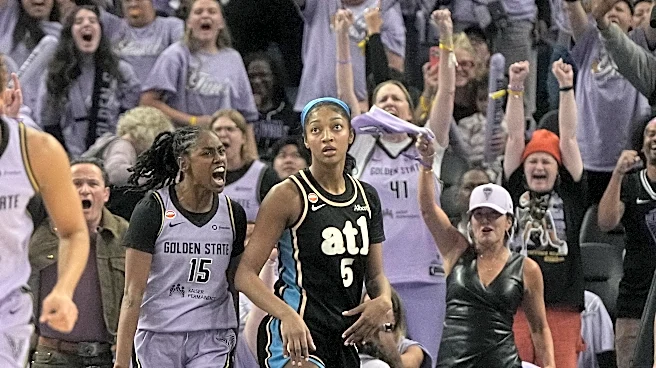
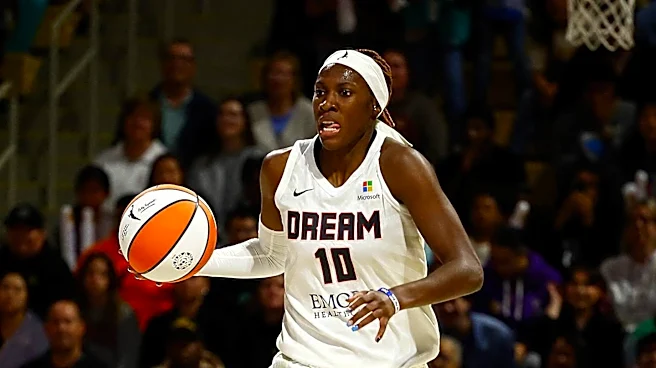
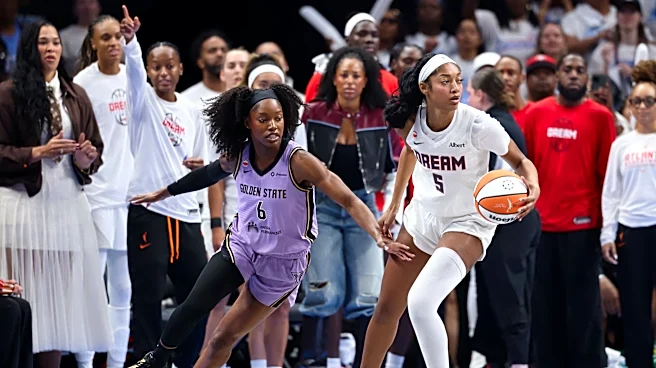
Arena. In an open letter to the city of Atlanta, the Dream's owners, Larry and Robyn Gottesdiener, Suzanne Abair, and Renee Montgomery, stated that they had raised concerns about potential scheduling conflicts with NBA games at State Farm Arena two months prior, when playoff dates were finalized. They reiterated these concerns as the playoffs progressed, but felt their warnings did not receive adequate attention or urgency from the league. The owners expressed disappointment with the midday tip-off, noting it was not their preferred choice nor what they had advocated for, despite acknowledging the flexibility of the Atlanta Hawks and State Farm Arena in adjusting schedules multiple times. The Dream are currently trailing the Golden State Valkyries 3-2 in the series and face elimination in Game 6.
Why It's Important?
This scheduling dispute highlights ongoing challenges within professional sports leagues regarding venue availability and the prioritization of events, particularly when WNBA teams share arenas with NBA franchises. The early afternoon tip-off on a weekday could significantly impact fan attendance and television viewership, potentially diminishing the visibility and revenue for a crucial WNBA Finals game. The Dream's owners suggested that their team's deep run into the Finals might have been underestimated by the league, leading to insufficient planning for venue conflicts. This situation could fuel broader discussions about equitable scheduling practices and resource allocation for women's professional sports, especially as the WNBA continues to grow in popularity and seeks to maximize its audience. The public criticism from team ownership also puts pressure on the league to address these issues more proactively in future seasons to avoid similar conflicts and ensure optimal conditions for its marquee events.
What's Next?
Game 6 of the WNBA Finals between the Atlanta Dream and the Golden State Valkyries will proceed as scheduled at 12:30 p.m. ET on Thursday at State Farm Arena, which has been announced as sold out. The Dream will need to win this game to force a Game 7, which would be played at the Valkyries' home court. The WNBA has not yet publicly responded to the Atlanta Dream's open letter. Moving forward, this incident may prompt the WNBA to review its playoff scheduling protocols and venue booking processes, especially for teams that share facilities with NBA teams or other major event venues. There could be increased pressure from team owners and player associations to ensure that WNBA playoff games, particularly the Finals, are given prime-time slots and adequate venue availability to maximize fan engagement and media exposure. The outcome of this game, regardless of the scheduling controversy, will determine if the Dream can extend their season or if the Valkyries will clinch the championship.
Beyond the Headlines
The scheduling conflict for Game 6 of the WNBA Finals touches upon deeper issues of equity and recognition within the professional sports landscape. The perception that the WNBA's needs were secondary to an NBA game, despite the WNBA Finals being a championship event, can reinforce narratives about the unequal standing of women's sports. This incident could spark renewed calls for greater autonomy and dedicated resources for WNBA teams, particularly in cities where they share facilities with more established men's leagues. It also raises questions about the long-term strategy for the WNBA's growth, including the need for more dedicated arenas or more robust contractual agreements for venue priority during critical playoff periods. The public outcry, including support from figures like Flavor Flav and Hillary Clinton, underscores a growing demand for women's sports to be treated with the same level of importance and logistical consideration as their male counterparts, highlighting a cultural shift towards greater appreciation and advocacy for female athletes.