





What's Happening?
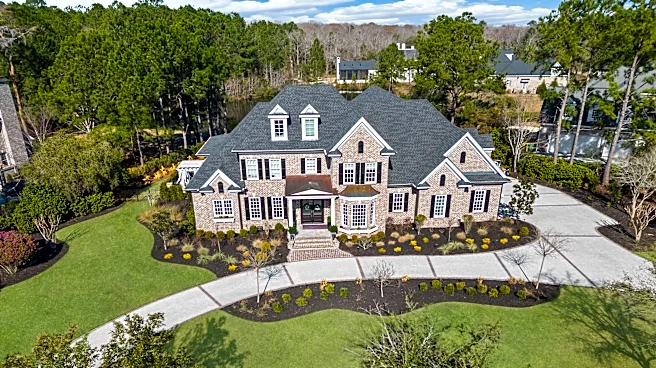
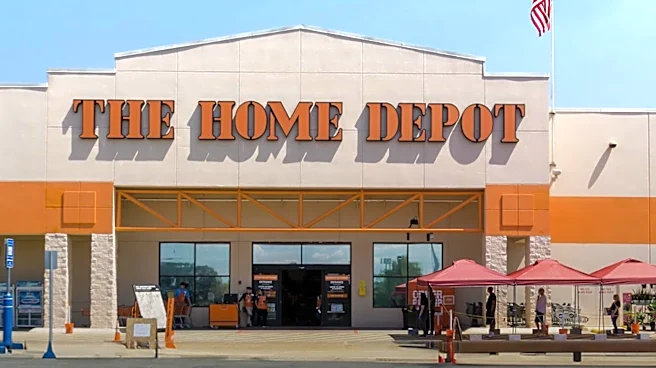
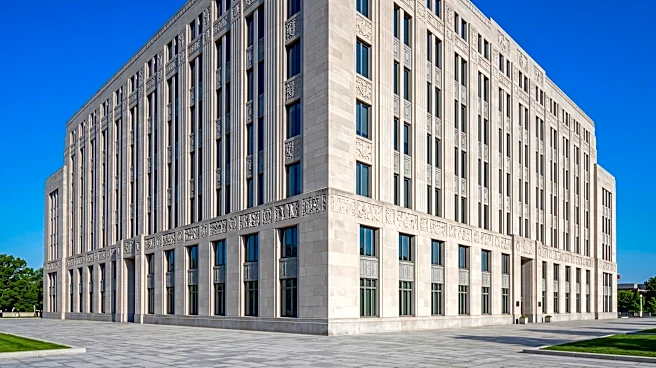
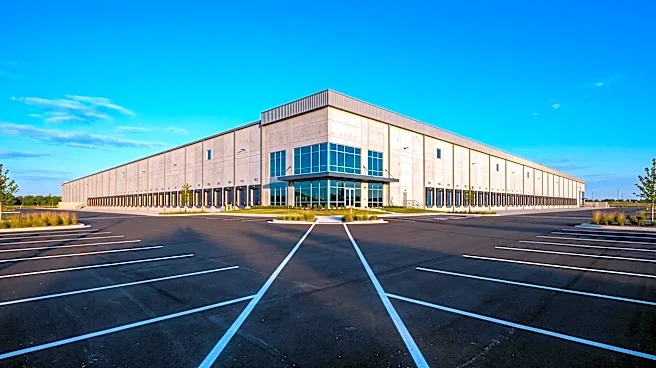
Real estate investments encompass a diverse range of property types, including residential options such as single-family homes, condominiums, townhouses, and multi-family units, as well as various commercial properties. Swiss Re, a global entity, actively
manages real estate investments across multiple regions, including the United States. Their approach involves comprehensive portfolio analytics, in-depth market insights, and rigorous investment analysis. The company also emphasizes sustainability considerations and continuous platform development to enhance their real estate investment strategies. A real estate underwriting associate at Selby Jennings, for instance, is tasked with evaluating and managing investments in real estate and credit strategies, a role that typically requires prior experience in real estate private equity or related financial fields. The Wall Street Journal frequently reports on the real estate sector, covering topics like housing market trends, the impact of high mortgage rates, and significant real estate transactions, indicating ongoing activity and interest in the market.
Why It's Important?
The broad scope of real estate investments, from residential to commercial, signifies its foundational role in the U.S. economy and individual wealth building. For industries, the availability and cost of commercial properties directly influence business expansion, operational expenses, and location strategies. High mortgage rates, as reported by The Wall Street Journal, can significantly impact the housing market, affecting affordability for potential homeowners and influencing construction and real estate development sectors. Companies like Swiss Re, through their global real estate investment management, contribute to capital flow and market stability, while their focus on sustainability in investments can drive broader industry trends towards environmentally conscious development. The demand for skilled professionals, such as real estate underwriting associates, highlights the complexity and specialized nature of real estate finance, underscoring the need for expertise in evaluating and managing these substantial assets. Fluctuations in real estate values and transaction volumes have ripple effects on local economies, tax revenues, and employment in related sectors like construction, finance, and property management.
What's Next?
The real estate market is expected to continue evolving with ongoing shifts in housing market trends and interest rates. The focus on portfolio analytics and market insights by major investors like Swiss Re suggests a continued emphasis on data-driven decision-making in real estate investments. The integration of sustainability considerations into investment analysis indicates a growing trend towards green building and environmentally responsible property development, which could influence future construction practices and property valuations. Professionals in real estate private equity and related fields will likely see continued demand for their expertise in navigating complex investment strategies and market conditions. Future reports from publications like The Wall Street Journal will likely continue to track the impact of economic factors, such as inflation and interest rate policies, on both residential and commercial real estate sectors, providing ongoing insights into market direction and potential investment opportunities or challenges.
Beyond the Headlines
The diverse nature of real estate investments extends beyond mere financial transactions, touching upon significant societal and environmental dimensions. The emphasis on sustainability in real estate, as highlighted by Swiss Re's investment analysis, points to a broader shift towards responsible investing. This trend could lead to increased demand for energy-efficient buildings, green infrastructure, and properties resilient to climate change, potentially reshaping urban landscapes and construction standards. Ethically, the accessibility and affordability of residential properties remain a critical concern, with high mortgage rates impacting homeownership dreams for many Americans. The interplay between commercial real estate development and community planning also raises questions about urban sprawl, gentrification, and the equitable distribution of resources. Furthermore, the increasing sophistication of real estate analytics and the potential integration of AI-enabled tools, as mentioned in the context of platform development, could revolutionize how properties are valued, managed, and traded, introducing new efficiencies but also potential ethical considerations regarding data privacy and algorithmic bias in real estate decisions.