





What's Happening?
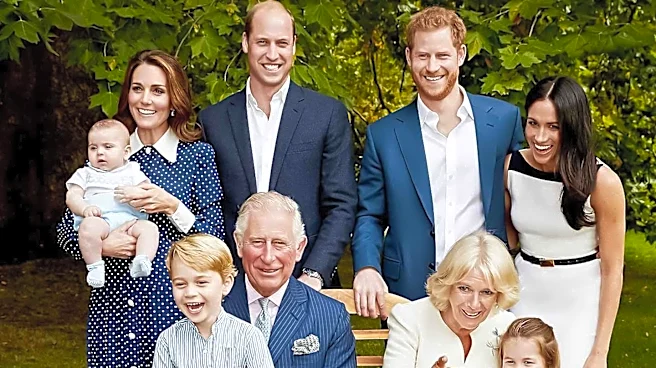
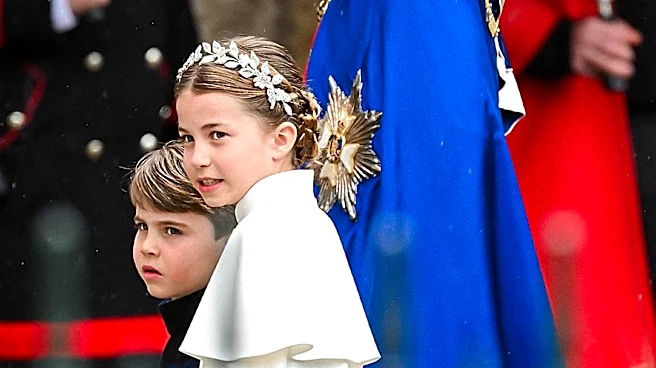
Princess Kate is actively ensuring her children, Prince George, Princess Charlotte, and Prince Louis, engage in household chores to instill a sense of normalcy and responsibility. According to author Christopher Andersen, Princess Kate maintains an organized
schedule of daily tasks, posted in the kitchen, which the children follow. These chores include making their own beds, preparing breakfast, and cleaning up after themselves. Royal broadcaster Ian Pelham Turner notes that this down-to-earth approach reflects the kind of royal family Prince William and Princess Kate believe the British public desires. British royal expert Hilary Fordwich adds that Princess Kate regularly cooks, bakes, and gardens, further demonstrating her commitment to practical, everyday activities. This practice extends to Prince George, who is accustomed to making his own bed, a skill that will serve him at Eton College.
Why It's Important?
This initiative by Princess Kate is significant as it aims to ground the royal children in a more ordinary upbringing, despite their extraordinary circumstances. By participating in daily chores, the children are exposed to responsibilities that many non-royal children experience, potentially fostering a stronger connection with the general public. This approach could shape the future perception of the monarchy, presenting it as more relatable and less detached from everyday life. The emphasis on domesticity and self-sufficiency for Prince George, in particular, prepares him for future roles by instilling practical life skills and a sense of duty beyond ceremonial duties. This move also highlights a modern shift within the royal family, prioritizing values of hard work and humility, which could enhance public approval and the long-term relevance of the institution.
What's Next?
The continued implementation of household chores for the royal children is expected to reinforce their understanding of everyday life and responsibilities. This practice is likely to be a consistent element of their upbringing, shaping their character and public image as they grow older. As the children mature, their engagement in such activities could be highlighted in future public appearances or interviews, further solidifying the image of a modern and relatable monarchy. This approach may also influence other royal families or public figures to adopt similar strategies for raising their children, emphasizing practical skills and normalcy. The long-term impact could be a generation of royals who are perceived as more grounded and connected to the experiences of ordinary citizens.
Beyond the Headlines
The emphasis on household chores for the royal children carries deeper implications beyond simple domesticity. It reflects a deliberate effort to counter the traditional image of royalty as being entirely served and detached. This strategy could be seen as a proactive measure to ensure the monarchy's continued relevance and acceptance in a rapidly changing society that increasingly values authenticity and relatability. By engaging in tasks like cooking, cleaning, and gardening, the children are not only learning practical skills but also internalizing values of humility and shared responsibility. This approach could subtly influence public discourse about privilege and duty, suggesting that even those in the highest echelons of society have a role to play in maintaining a functional household and contributing to their community. It also draws a parallel to the late Queen Elizabeth II, who also found satisfaction in ordinary chores, suggesting a continuity of values across generations of the royal family.