






What's Happening?
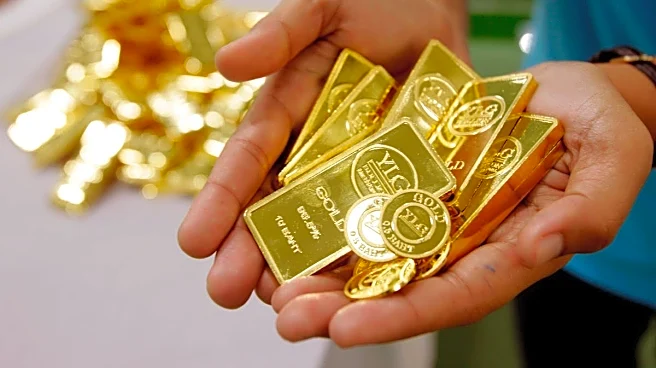
Gold prices are experiencing their worst quarterly performance since 2013, driven by a strong dollar and expectations of U.S. interest rate hikes. Spot gold has seen a significant decline, with prices dropping more than 11% for the month. The market is
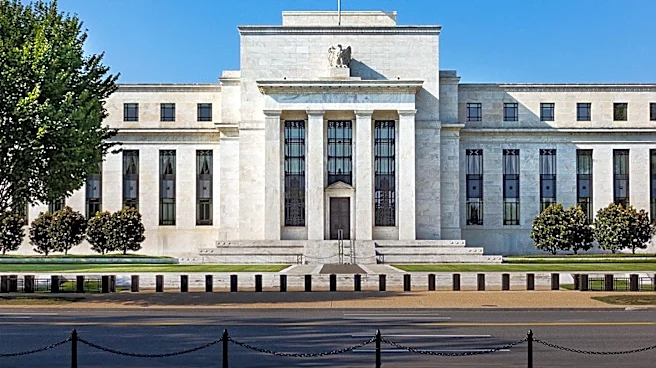
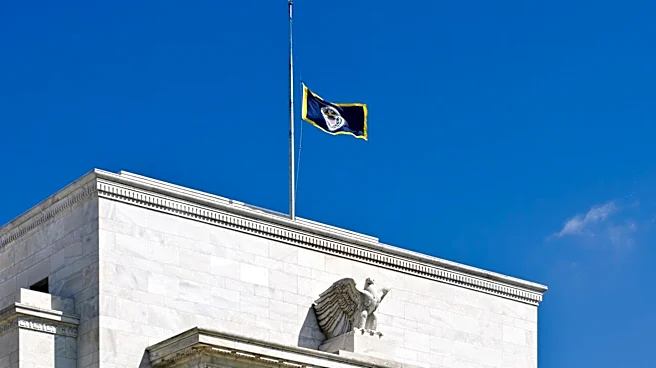
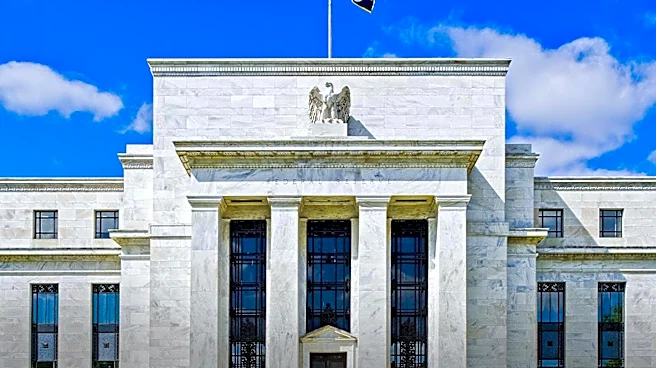
reacting to the possibility of the Federal Reserve increasing interest rates, which has strengthened the dollar and reduced gold's appeal as a non-yielding asset. Traders are also focused on upcoming U.S. employment data, which could provide further insights into the Fed's future rate path.
Why It's Important?
The decline in gold prices highlights the impact of monetary policy expectations on commodity markets. As the Federal Reserve considers interest rate hikes, the stronger dollar makes gold less attractive, affecting investor behavior and market dynamics. This situation underscores the interconnectedness of global financial markets, where U.S. policy decisions can influence international commodity prices. Investors and policymakers must consider these factors when making decisions, as changes in gold prices can have broader economic implications, including on inflation and investment strategies.
What's Next?
Market participants will closely watch the Federal Reserve's upcoming meetings and economic data releases for clues on future interest rate decisions. The potential for rate hikes could lead to continued volatility in the gold market, with traders adjusting their positions based on new information. Additionally, geopolitical developments and economic indicators will play a role in shaping market expectations and strategies. Stakeholders will need to remain vigilant and adaptable to navigate the evolving financial landscape.