







What's Happening?
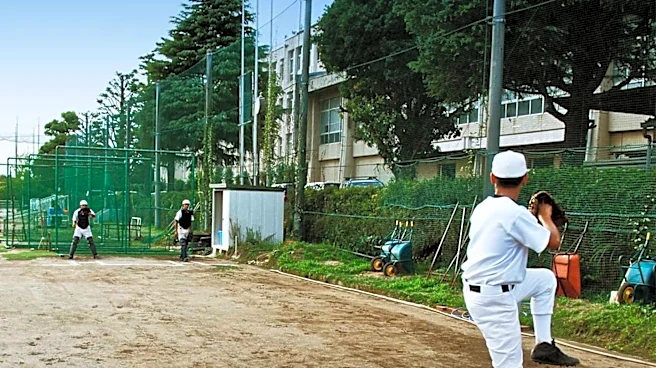
Unseasonably hot temperatures are impacting sports practices across the Kanawha Valley, leading to cancellations and shortened sessions. Parents received notifications about practice changes, and several football practices were cut short. These decisions
were made by coaching staff, guided by doctors and athletic sports scientists, to ensure player safety. Temperatures in Charleston, typically seen in June or July, have gripped the area. Capital and the University of Charleston also had their practices shortened due to the heat. Scientist and professor Matt Bradley highlighted the use of technology, such as digital sling psychrometers, to monitor air temperature, pressure, humidity, and sunlight. These measurements are part of national requirements enforced in West Virginia to keep student-athletes safe during practices and games. Bradley noted that while there have been sports practice-related deaths historically in West Virginia, modern technology and state codes help mitigate risks. He also mentioned using a cold plunge in his training room for athletes affected by the heat.
Why It's Important?
The alteration of sports practices due to extreme weather underscores the growing impact of climate patterns on daily activities, particularly in youth sports. This situation highlights the critical importance of athlete safety and the proactive measures being taken by sports organizations and educational institutions. The use of advanced monitoring technology and the implementation of state mandates reflect a broader commitment to protecting student-athletes from heat-related illnesses. For parents, it emphasizes the need for vigilance regarding weather conditions and communication from schools and sports programs. The integration of recovery tools like cold plunges in training facilities also points to an evolving approach to athlete well-being and performance, acknowledging the physiological demands placed on young athletes in challenging environmental conditions. This trend could lead to increased investment in climate-controlled facilities and advanced safety protocols across U.S. sports programs.
What's Next?
As unseasonably hot temperatures become more frequent, sports programs in the Kanawha Valley and potentially across the U.S. may need to further adapt their schedules and training methodologies. This could involve more widespread adoption of early morning or late evening practices, increased use of indoor facilities, and stricter adherence to heat-monitoring protocols. Capital High School Football Head Coach Turan Rush indicated that getting players accustomed to hot weather can be beneficial for game day performance, suggesting a balance between safety and acclimatization will be sought. The continued use and potential expansion of resources like cold plunges and air-conditioned locker rooms will likely become standard practice. Furthermore, there may be ongoing discussions and updates to state codes and national requirements for athlete safety in extreme weather, potentially leading to new guidelines or mandates for schools and sports organizations.
Beyond the Headlines
The situation in Kanawha Valley reflects a broader societal challenge posed by changing climate patterns, impacting not just sports but various outdoor activities and public health. The emphasis on athlete safety and the use of technology like digital sling psychrometers highlight a shift towards data-driven decision-making in sports management. This could lead to a more scientific approach to training and competition, where environmental factors are meticulously analyzed to optimize performance and minimize risk. The discussion around acclimatization versus immediate protection also touches upon the ethical considerations of pushing athletes to perform in challenging conditions. This event may also spur innovation in sports equipment and facilities designed to mitigate heat stress, potentially creating new markets for cooling technologies and protective gear. Ultimately, it underscores the need for communities to adapt to new environmental realities while prioritizing the well-being of their youth.