





What's Happening?
GE Vernova is actively recruiting a University Intern for its Distributed Energy Resource Management System (DERMS) team. This role focuses on supporting the implementation and integration of DERMS solutions for utility customers. The intern will gain
practical experience in managing modern electricity networks, particularly as utilities increasingly incorporate solar PV, batteries, electric vehicles, and demand response into their systems. The position involves assisting with solution integration activities across various software, systems, and utility platforms, including developing an understanding of how DERMS interacts with existing utility systems like ADMS, SCADA, GIS, OMS, and EMS. Responsibilities also include supporting configuration and testing of interfaces, system integration testing, and defect investigation. The intern will contribute to software deployment, configuration management, and release activities, while also analyzing technical requirements and troubleshooting integration issues across application, network, and system boundaries. The role offers exposure to APIs, data flows, messaging, and system-to-system communication, alongside technical documentation and solution configuration.
Why It's Important?
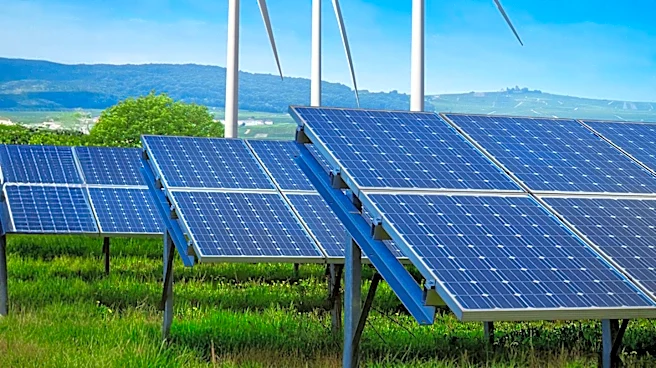
This internship highlights GE Vernova's commitment to addressing the energy transition and modernizing the U.S. electricity grid. The integration of Distributed Energy Resources (DERs) such as solar, batteries, and electric vehicles is crucial for enhancing grid reliability, operational flexibility, and supporting a more decentralized electricity system. By training future engineers in DERMS solutions, GE Vernova is investing in the skilled workforce necessary to manage the increasing complexity of digital power systems. This initiative is vital for utilities across the nation as they strive to improve visibility of distribution networks, coordinate distributed energy resources, and manage network constraints and congestion. The development and implementation of these technologies are essential for meeting growing energy demands sustainably and ensuring the resilience of the national power infrastructure against evolving challenges.
What's Next?
The selected intern will work alongside solution architects, software engineers, integration specialists, and utility-domain experts to support the delivery and implementation of DERMS solutions. This will involve assisting with testing DERMS functionality and validating system behavior against customer and technical requirements. The experience gained will be critical for a career in DERMS, Digital Grid, Utility Software, Solution Integration, Software Implementation, Grid Management, Energy Management Systems, Digital Transformation, and Electricity Network Engineering. GE Vernova's ongoing efforts in this area suggest a continued focus on developing and deploying advanced grid management technologies, which will likely lead to further innovation and job opportunities in the energy sector as the U.S. continues its transition to a more sustainable and resilient energy infrastructure.
Beyond the Headlines
The push for DERMS integration reflects a broader paradigm shift in the energy sector, moving away from centralized power generation towards a more distributed and intelligent grid. This transition has significant implications for energy policy, regulatory frameworks, and consumer engagement. As more homes and businesses adopt DERs, the need for sophisticated management systems becomes paramount to prevent grid instability and ensure efficient energy distribution. This also raises questions about data privacy and cybersecurity, as these interconnected systems become potential targets for cyber threats. The ethical considerations of equitable access to these advanced energy solutions and the potential for energy independence at a local level are also emerging as critical discussions. Ultimately, the success of DERMS integration will depend on a collaborative effort between technology providers, utilities, policymakers, and consumers to navigate these complex challenges and opportunities.