




What's Happening?
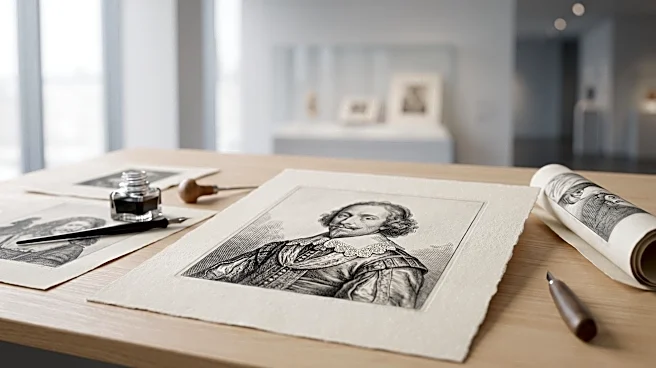
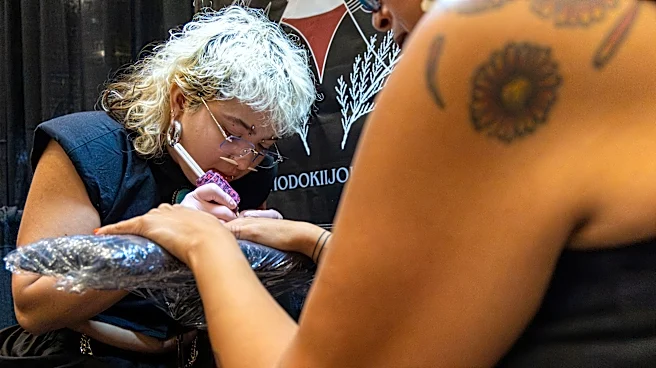
The Rembrandt House Museum in Amsterdam has reopened its temporary tattoo studio, offering visitors the unique opportunity to get tattoos inspired by the works of the 17th-century Dutch master, Rembrandt. Professional tattoo artists transfer images based
on Rembrandt's engravings and drawings onto the skin of visitors. This initiative, named 'Rembrandt for the Poor,' first launched in 2023 and proved so popular that the museum decided to repeat it this autumn. Renowned Dutch tattoo artist Henk Schiffmacher, also known as Henkie Pankie, is a key participant, drawing parallels between tattooing and Rembrandt's creative process, both involving transferring a drawing to a surface. The cost of these tattoos ranges from 100 to 350 euros, depending on the design's complexity. Associated Press journalist Mike Corder received a tattoo of Rembrandt's 1630 etching 'Self-Portrait with Beret and Wide-Eyed Expression' for 200 euros.
Why It's Important?
This initiative by the Rembrandt House Museum is significant as it redefines how classical art can be engaged with by the public. By offering temporary tattoos, the museum makes art more accessible and personal, moving beyond traditional viewing experiences. This approach can attract new audiences, including those who might not typically visit museums, by presenting art in a contemporary and interactive format. The project also highlights the artistic merit of tattooing, elevating it by associating it with a revered master like Rembrandt. For the art world, it represents an innovative strategy for cultural institutions to remain relevant and engage with modern audiences, potentially inspiring similar creative outreach programs globally. The affordability of the tattoos, compared to original artworks, democratizes ownership of art-inspired imagery.
What's Next?
The temporary tattoo studio at the Rembrandt House Museum is scheduled to operate until November 7, 2026. Given its past success and current popularity, it is highly probable that the museum will consider repeating this initiative in future years, potentially expanding the range of Rembrandt-inspired designs or collaborating with other artists. The project's success could also encourage other museums and cultural institutions to explore unconventional methods of engaging with their collections and attracting diverse visitors. The ongoing media attention, exemplified by the Associated Press journalist's participation, suggests continued public interest and potential for broader cultural impact. Visitors are advised to book in advance, indicating sustained demand for this unique art experience.
Beyond the Headlines
The 'Rembrandt for the Poor' project delves into deeper implications concerning the commodification and personalization of art. It challenges the traditional reverence for original masterpieces by allowing individuals to 'own' a piece of art history in a transient, yet deeply personal, form. This initiative blurs the lines between high art and popular culture, suggesting that artistic appreciation can manifest in diverse ways, including body art. Ethically, it raises questions about authenticity and interpretation when classical works are recontextualized onto human skin. Culturally, it reflects a growing trend of experiential engagement, where participation and personal connection become as valuable as passive observation. This innovative approach could pave the way for future museum strategies that prioritize immersive and interactive experiences, fostering a more dynamic relationship between art and its audience.