



What's Happening?
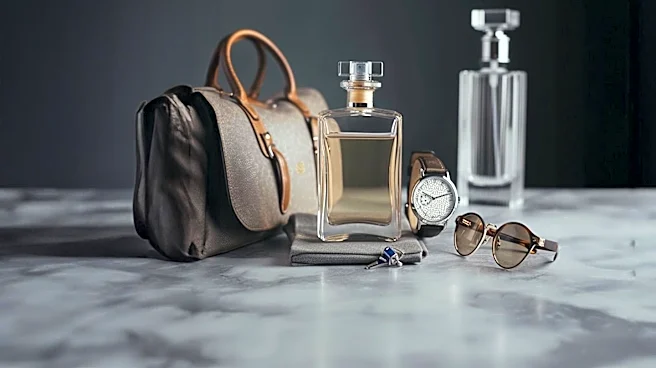
Luxury brands such as Hermès and Balenciaga are increasingly diversifying their offerings beyond traditional fashion into homeware, wellness, and technology. This shift is a response to evolving consumer preferences, particularly among younger generations,
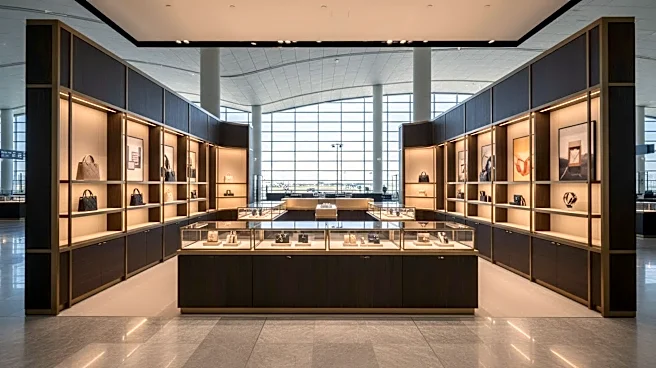
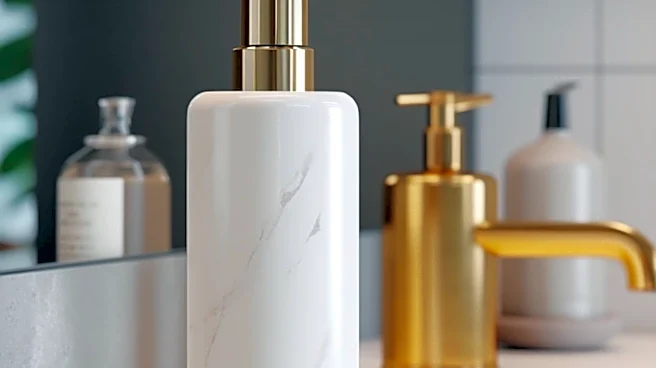
who prioritize functionality, durability, and integration into daily life over mere brand aura or seasonal trends. For instance, Hermès now offers charging devices, and Balenciaga has introduced dumbbell weights. This expansion reflects a broader trend where the concept of luxury is moving from exclusive fashion items to products that enhance everyday living and provide tangible value. Retailers are also adopting minimalist and 'Japandi' design concepts to create calming and functional spaces, aiming to improve customer engagement by aligning with these new consumer values. The focus is on creating products that are not only aesthetically pleasing but also practical and enduring, moving away from the transient nature of seasonal fashion.
Why It's Important?
This strategic pivot by luxury brands signifies a significant re-evaluation of what constitutes 'luxury' in the modern market. For U.S. consumers, this means a wider array of high-end products that blend utility with sophisticated design, potentially influencing purchasing habits across various sectors. The emphasis on durability and functionality could lead to a more sustainable consumption model within the luxury market, as consumers seek long-lasting investments rather than fleeting trends. For businesses, this trend highlights the importance of adapting to changing consumer values, particularly the demand for products that offer practical benefits and integrate seamlessly into daily life. Brands that successfully bridge the gap between aspiration and utility stand to gain market share, while those that cling solely to traditional notions of luxury may struggle to connect with a new generation of discerning buyers. This shift also impacts the retail landscape, encouraging stores to create more experiential and lifestyle-oriented environments.
What's Next?
The trend of luxury brands expanding into homeware and lifestyle categories is expected to continue, with more brands likely to follow suit. Consumers can anticipate a broader selection of high-quality, functional, and aesthetically integrated products for their homes and daily routines. This could lead to increased competition in the homeware and wellness markets, potentially driving innovation and design improvements across the board. Retailers will likely further refine their in-store experiences, focusing on creating immersive environments that showcase how these luxury lifestyle products can enhance daily living. Additionally, there may be a rise in collaborations between traditional luxury fashion houses and brands specializing in home goods, wellness, or technology, further blurring the lines between these categories and offering consumers more integrated lifestyle solutions. The focus will remain on crafting products that offer genuine value and resonate with consumers' desire for enduring quality and practical elegance.
Beyond the Headlines
The deeper implication of this trend is a cultural shift in how luxury is perceived and consumed. It moves beyond ostentatious display to a more personal and integrated experience of well-being and comfort within one's own environment. This could foster a greater appreciation for craftsmanship and thoughtful design in everyday objects, encouraging consumers to invest in items that contribute to a higher quality of life rather than just status symbols. Ethically, this shift might also encourage brands to consider the longevity and sustainability of their products, aligning with growing consumer awareness about environmental impact. The integration of homeware and wellness into luxury portfolios suggests a holistic approach to consumer lifestyle, where brands aim to cater to every aspect of a high-end existence, from personal style to home ambiance and well-being. This could redefine brand loyalty, as consumers seek brands that align with their broader lifestyle values.