



What's Happening?
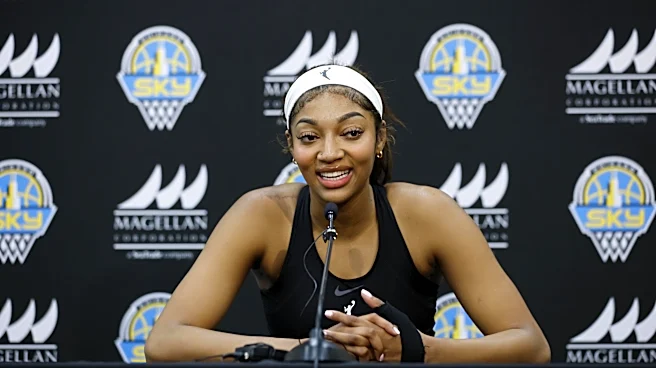
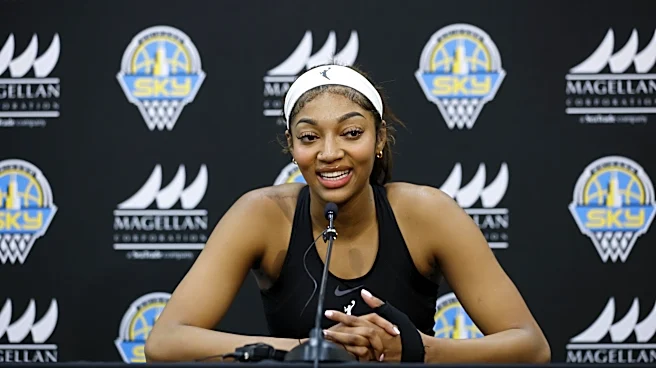
Angel Reese, a prominent player for the Atlanta Dream, has blocked WNBA reporter Dan Zaksheske on X (formerly Twitter) following the WNBA Finals. Zaksheske, who works for Outkick and Fox News, stated he discovered the block while covering the finals.
He claims he has never tagged or tweeted directly at Reese but has reported on her performances, statements, and actions throughout the season. Zaksheske noted that his coverage included both praise for Reese's strong performances in Games 2 and 3 of the Finals and criticism for her struggles in the subsequent four games, where she recorded 19 turnovers and 12 made field goals. He also mentioned that some of his critical reporting led to accusations of racism from Reese's fans, who he believes equate any criticism of Reese with an attack on all Black women. Reese recently announced a temporary break from social media after her team's loss in the WNBA Finals.
Why It's Important?
This incident highlights the ongoing tension between athletes and sports media, particularly concerning social media interactions and critical reporting. For athletes like Angel Reese, social media platforms offer a direct channel to fans, but also expose them to scrutiny and criticism. The act of blocking a reporter, while within an individual's rights, can be perceived as an attempt to control narrative or avoid accountability, potentially impacting media access and the free flow of information. For sports journalists like Dan Zaksheske, the ability to report on all aspects of a player's performance, including both successes and struggles, is fundamental to their role. When access is restricted or perceived as retaliatory, it can complicate their ability to provide comprehensive coverage. This situation also touches on broader societal issues, such as the intersection of race and sports commentary, where criticism of Black athletes can sometimes be misconstrued or weaponized as racist, adding another layer of complexity to media-athlete relationships.
What's Next?
Angel Reese has not publicly commented on why she blocked Dan Zaksheske, and it remains to be seen if she will address the situation or if Zaksheske will continue to report on her despite the social media block. Reese's decision to step away from social media temporarily suggests a desire to disengage from public scrutiny, at least for now. The incident may prompt further discussion within sports media circles about the boundaries of reporting and the responsibilities of athletes in engaging with the press. It could also influence how other athletes and reporters interact on social media platforms, potentially leading to more cautious or restricted engagements. The broader implications for media access to athletes and the nature of sports journalism in the digital age will likely continue to evolve as similar incidents arise.
Beyond the Headlines
The blocking of a reporter by a high-profile athlete like Angel Reese delves into deeper questions about media ethics, athlete autonomy, and the evolving landscape of public discourse in the digital age. It raises ethical considerations regarding a journalist's right to report freely versus an individual's right to curate their online experience. The accusation of racism leveled against Zaksheske's criticism also underscores the sensitive nature of discussing race in sports, where legitimate critiques can sometimes be conflated with prejudice. This incident reflects a broader cultural shift where public figures have more direct control over their narratives, potentially bypassing traditional media gatekeepers. However, it also highlights the challenges faced by journalists in maintaining objectivity and providing comprehensive coverage when direct access or engagement is curtailed. The long-term impact could be a re-evaluation of the relationship between athletes, media, and fans, potentially leading to new norms for interaction and accountability in the public sphere.