




What's Happening?
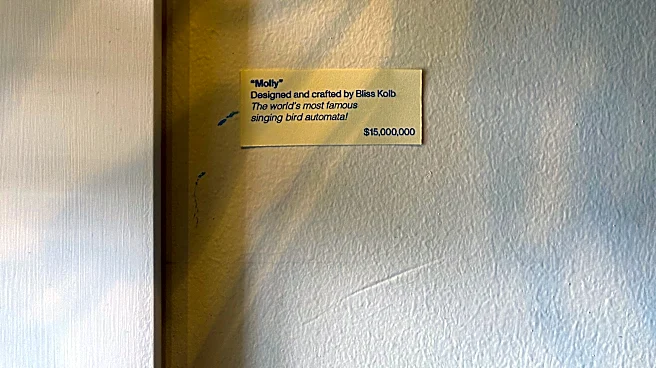
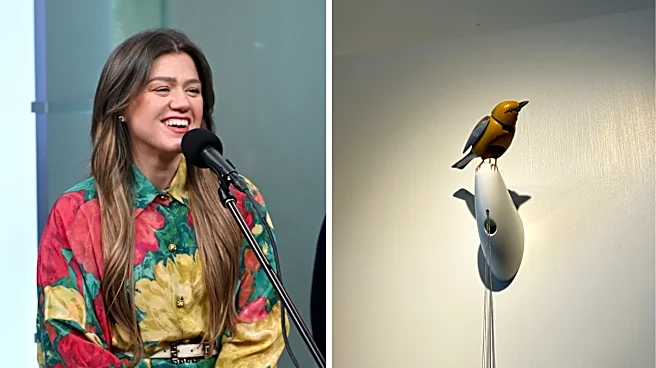
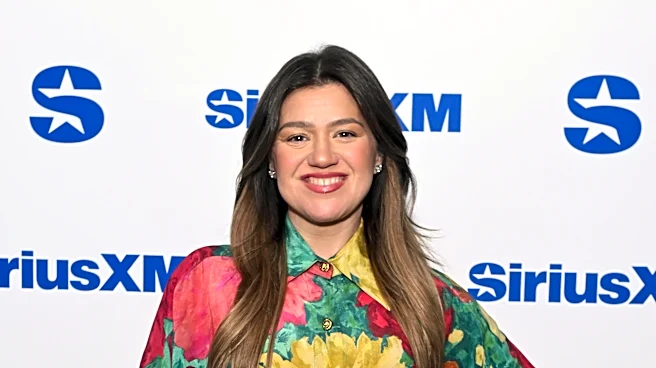
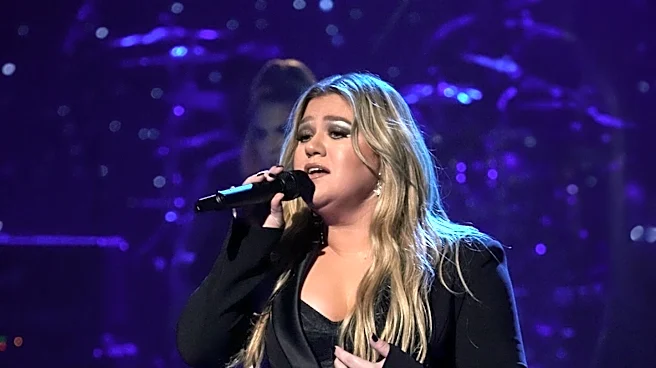
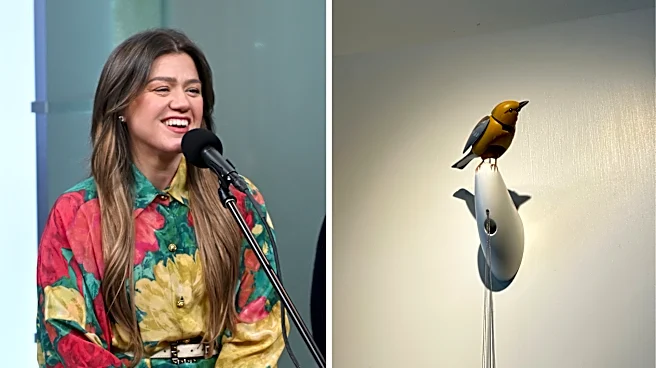
A Brooklyn novelty shop, Art of Play, has listed its mechanical bird, Molly, for sale at $15 million. This development follows a public dispute with singer Kelly Clarkson. Clarkson initially claimed on social media that she was treated dismissively when
she inquired about purchasing Molly, suggesting the store implied she couldn't afford it. Art of Play countered, stating that Molly, a singing and dancing automaton, is permanently affixed to a wall and was not for sale. They clarified that they offered Clarkson a similar bird from the artist, Bliss Kolb, for $15,000, or another for $2,000, but she left before seeing it. The store's co-owner, Adam Rubin, held a press conference, calling the incident an 'insane misunderstanding' and 'symmetrical social warfare,' and accused Clarkson of putting the store in danger due to negative attention and harassment. Rubin stated that if Molly sells for $15 million, he plans to give each employee a $15,000 bonus, send $1 million to the artist, and build a display dedicated to automata.
Why It's Important?
This incident highlights the significant impact of celebrity social media interactions on small businesses, demonstrating how a single post can rapidly escalate into a public relations crisis and even perceived threats. The store's decision to list the bird for an exorbitant price can be seen as a strategic, albeit unconventional, response to regain control of the narrative and potentially capitalize on the viral attention. It underscores the power dynamics between public figures and local establishments, where a celebrity's reach can quickly generate widespread public sentiment, both positive and negative. The situation also brings to light the challenges businesses face in managing online reputation and dealing with the consequences of viral content, including harassment and operational disruptions. The proposed allocation of potential proceeds, including employee bonuses and support for the artist, suggests an attempt to frame the store's actions positively amidst the controversy.
What's Next?
Art of Play will likely continue to manage the fallout from this public dispute, including addressing ongoing social media comments and potential media inquiries. The listing of Molly for $15 million is a symbolic gesture, and it remains to be seen if there will be any serious inquiries or if the store will maintain this price point. The store's co-owner, Adam Rubin, has expressed concerns about the safety of his employees and the disruption to their business, suggesting that they may need to implement further measures to mitigate these issues. Kelly Clarkson has not yet responded to the store's latest actions or Rubin's accusations. The incident could lead to broader discussions about celebrity accountability on social media and the impact of online feuds on small businesses. The artist, Bliss Kolb, has not yet commented, and their perspective could add another dimension to the story.
Beyond the Headlines
This event delves into the complex interplay between celebrity culture, social media, and local commerce, revealing how quickly a personal interaction can transform into a public spectacle with real-world consequences. The 'Molly' incident raises questions about the ethics of public shaming by influential figures and the responsibility that comes with a large online platform. It also touches upon the perceived value of art and novelty items, as the mechanical bird's price escalated from an initial $15,000 for a similar piece to a symbolic $15 million, driven by public attention rather than intrinsic artistic value. The store's claim of being 'in danger' due to online trolls highlights the darker side of viral fame, where businesses and individuals can become targets of harassment. This situation serves as a modern cautionary tale about the double-edged sword of social media visibility for both celebrities and small enterprises.