




What's Happening?
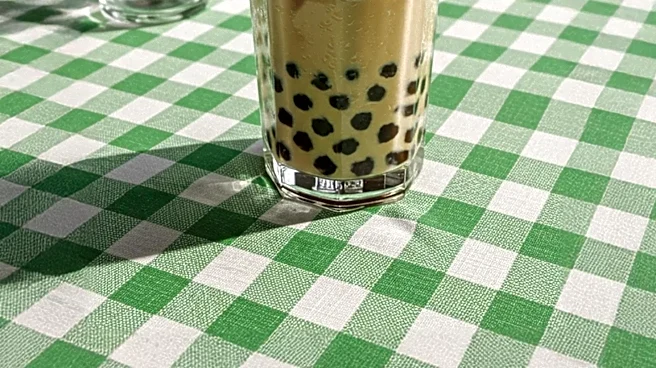
Boba tea, a popular beverage among children and teenagers, presents several health concerns, according to experts. The primary risks include choking hazards from tapioca pearls and other chewy toppings, high sugar content, and the presence of caffeine
in many varieties. Tapioca pearls are round, chewy, and slippery, posing a choking risk, especially for young children whose chewing and swallowing skills are still developing. Many boba drinks contain substantial amounts of sugar, with some studies reporting up to 72 grams per cup, significantly exceeding recommended daily limits for children. Additionally, black, green, oolong, and matcha teas naturally contain caffeine, which can interfere with children's sleep, cause restlessness, and lead to other adverse effects. Experts recommend avoiding boba tea for children under four and exercising caution for older children, prioritizing water and plain milk as everyday drinks.
Why It's Important?
This information is crucial for U.S. parents and public health officials to understand the potential health implications of a widely consumed beverage among youth. The high sugar content contributes to concerns about childhood obesity, dental health issues, and the development of unhealthy eating habits. The caffeine content can disrupt sleep patterns and overall well-being in children, impacting their learning and emotional regulation. The choking hazard is a significant safety concern, particularly for younger demographics. For the beverage industry, this highlights a need for greater transparency in labeling, especially regarding sugar and caffeine content, and potentially a shift towards healthier formulations for children's products. Schools and community programs may also consider educational initiatives to inform families about these risks and promote healthier drink alternatives.
What's Next?
Parents are advised to consider their child's age and developmental stage when deciding on boba tea consumption. For children under four, complete avoidance is recommended due to choking risks. For older children, moderation, choosing smaller servings, and requesting less sugar are suggested, along with inquiring about caffeine content. The development of healthier alternatives, such as fresh fruit coolers, plain milk, or lightly sweetened lassi, is encouraged. Public health campaigns may increase awareness of the sugar and caffeine content in popular children's beverages. The industry might see a push for more stringent labeling requirements and the development of boba tea versions specifically designed for children with reduced sugar, no caffeine, and safer toppings. This could also lead to increased demand for functional beverages that offer health benefits without the associated risks of traditional boba.
Beyond the Headlines
The popularity of boba tea among children reflects a broader cultural trend where beverages are increasingly seen as social experiences and treats rather than just hydration. This phenomenon creates a challenge for parents who aim to instill healthy eating habits without alienating their children from social norms. The issue extends beyond boba tea to other sweetened and caffeinated drinks marketed to youth, highlighting a need for a more comprehensive approach to children's beverage consumption. It also touches upon the influence of marketing and peer pressure on dietary choices. Addressing these concerns requires not only educating parents and children but also encouraging the food and beverage industry to prioritize child health in product development and marketing strategies. The conversation around boba tea can serve as a gateway to broader discussions about sugar intake, caffeine consumption, and the importance of whole, unprocessed foods in children's diets.