


What's Happening?
Minimalism, as a lifestyle and design philosophy, is undergoing a significant evolution, moving past its traditional association with bare white walls and stark interiors. According to experts at Sherwin-Williams, a new trend called 'restorative' minimalism
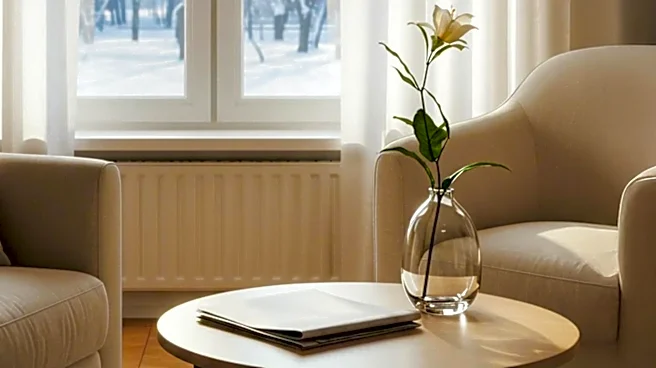
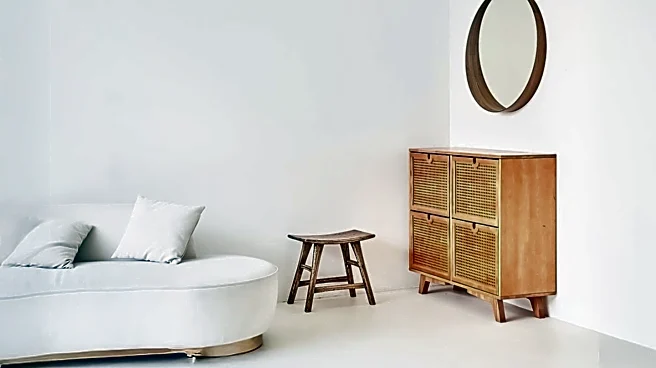
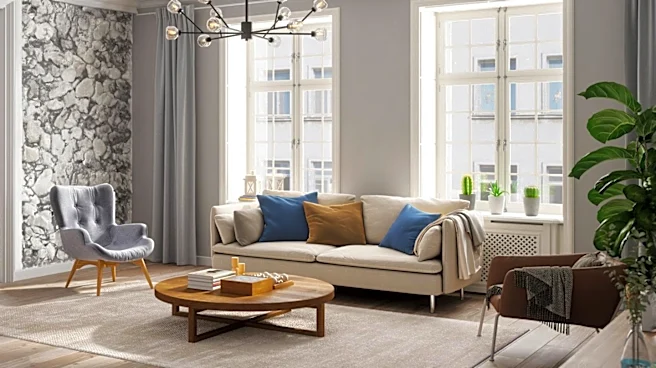
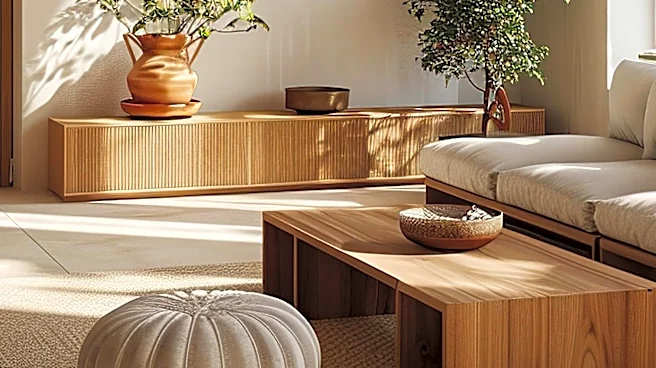
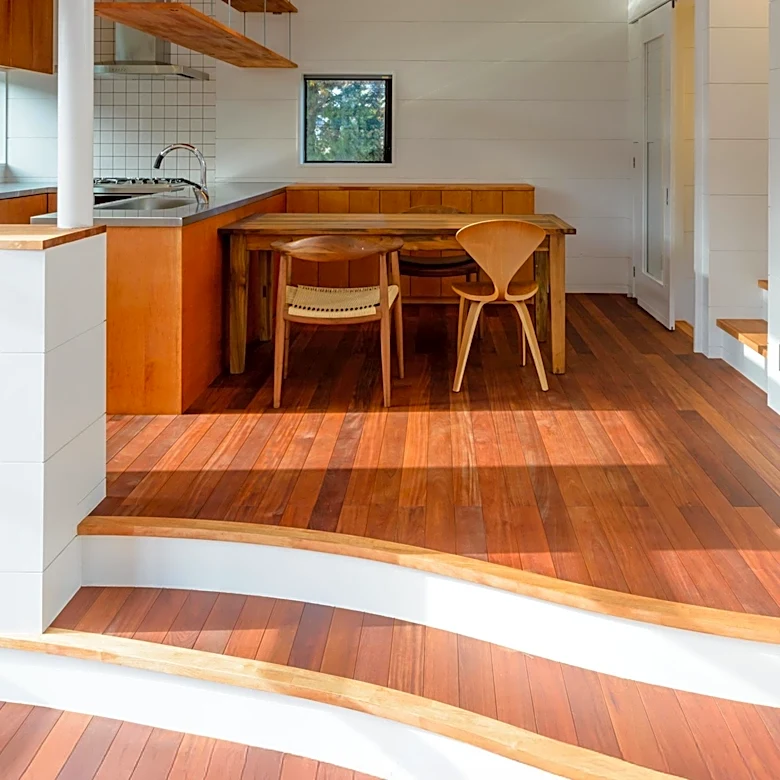
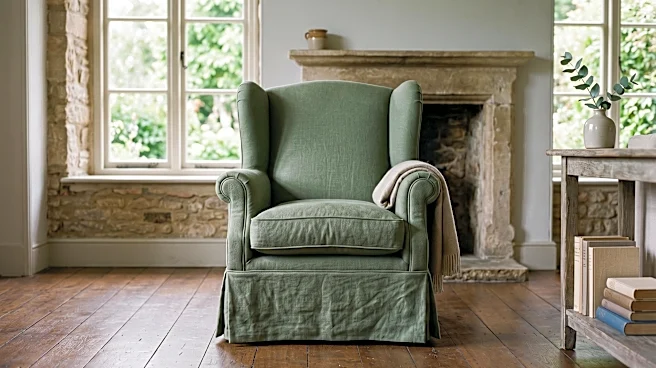
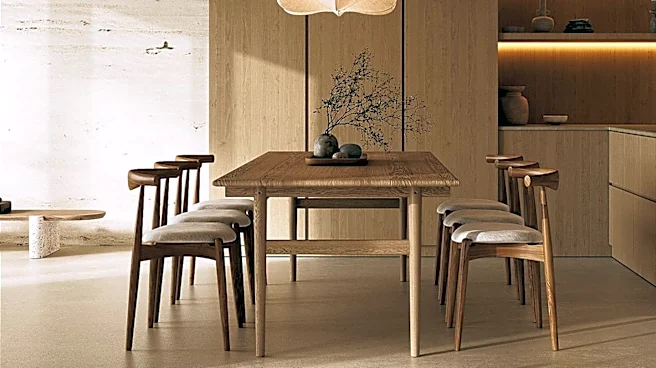
is gaining traction in interior design. This updated aesthetic emphasizes incorporating calming, nature-inspired colors and tactile textures to create peaceful retreats within homes, without requiring extensive renovations. The movement focuses on embracing the character of the natural world, utilizing hues like sage greens, muted blues, moody browns, and warm off-whites to add depth and serenity. This approach aims to provide homeowners with spaces that feel rejuvenating rather than draining, by combining decluttering with a thoughtful application of color and natural materials.
Why It's Important?
This shift in minimalist design is important as it broadens the appeal and accessibility of the philosophy to a wider audience. The previous 'sterile' stereotype often deterred individuals who desired warmth and personality in their living spaces. By integrating nature-inspired colors and textures, restorative minimalism offers a more inviting and livable interpretation, potentially increasing its adoption in U.S. homes. This trend also reflects a growing consumer desire for well-being and tranquility in their personal environments, especially in a fast-paced world. For industries like interior design, paint manufacturing, and home furnishings, this evolution presents new opportunities for product development and marketing strategies that cater to this 'softer' form of minimalism, emphasizing comfort and natural elements over stark simplicity.
What's Next?
The adoption of 'restorative' minimalism is expected to continue influencing interior design trends and consumer choices in the U.S. Homeowners are likely to increasingly seek out paint colors and decor that align with this aesthetic, prioritizing natural materials and calming palettes. This could lead to a greater demand for products in shades of sage green, muted blue, and earthy browns, as well as furniture and textiles with natural textures. Design professionals and retailers will likely adapt by offering more curated collections that embody this softer, nature-inspired minimalist approach. Educational content and marketing campaigns from brands like Sherwin-Williams will continue to highlight the benefits of this evolving aesthetic, encouraging consumers to create more peaceful and restorative living spaces without the need for full-scale renovations.
Beyond the Headlines
The evolution of minimalism into a 'restorative' aesthetic reflects a deeper cultural shift towards prioritizing mental well-being and connection with nature within urbanized environments. It suggests a recognition that while decluttering and simplicity are valuable, human beings also thrive in spaces that evoke warmth, comfort, and organic beauty. This trend could have long-term implications for how we perceive and design our living and working spaces, moving away from purely functional or stark environments towards those that actively contribute to emotional and psychological health. It also highlights a growing consciousness around sustainability, as the emphasis on natural materials and valuing use over appearance aligns with eco-friendly principles, encouraging thoughtful consumption and appreciation for enduring quality.