
What's Happening?
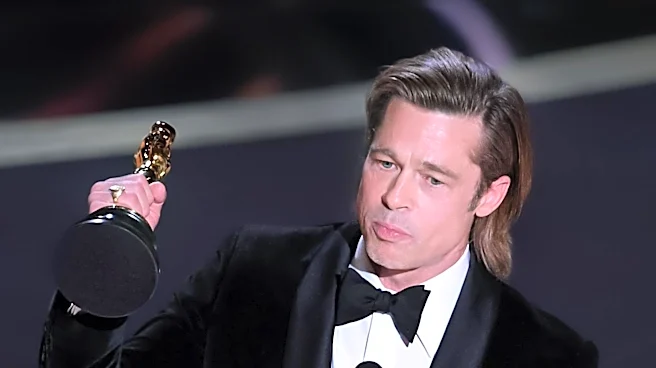
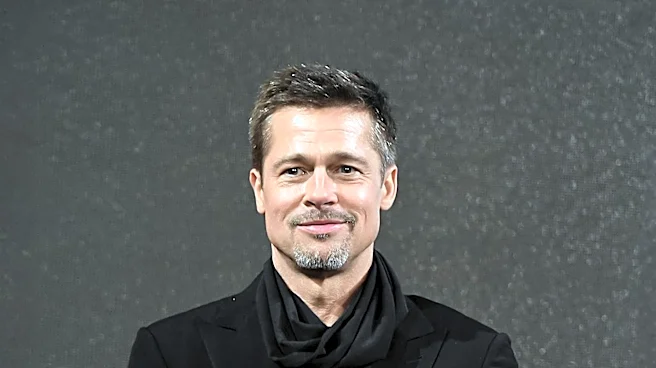
Brad Pitt has confirmed that a sequel to his 2013 zombie blockbuster, 'World War Z,' is actively in development. Speaking at the premiere of his new film, 'The Further Mis-adventures of Cliff Booth,' Pitt provided an update, stating, 'Oh, it’s coming.
We’re working on it.' He further elaborated that discussions are ongoing regarding 'zombie logic' to ensure the sequel offers a fresh perspective on the well-worn zombie genre. Edward Berger, known for 'All Quiet on the Western Front,' is attached to direct the film. Berger has also expressed his commitment to satisfying fans while bringing something new to the story that reflects contemporary themes. The original 'World War Z' was a significant commercial success, grossing $540 million globally and becoming the highest-grossing zombie film to date, despite facing production challenges, including extensive reshoots of its third act.
Why It's Important?
The confirmation of a 'World War Z' sequel is significant for the entertainment industry, particularly for Paramount Pictures, which distributed the original film. A successful sequel could reinvigorate the zombie genre in mainstream cinema and potentially lead to a new franchise. For Brad Pitt, returning to a commercially successful role demonstrates his continued influence as a leading man capable of drawing large audiences to blockbuster productions. The involvement of Edward Berger, an acclaimed director, suggests an ambition to elevate the sequel beyond typical genre fare, potentially attracting critical attention in addition to commercial success. This development also signals a continued trend in Hollywood of leveraging established intellectual property to mitigate financial risks, especially for high-budget productions.
What's Next?
The immediate next step for the 'World War Z' sequel is the finalization of the script. Pitt indicated that the film would only proceed to cameras in 2027 if a compelling script is developed that can offer a fresh take on the zombie narrative. Director Edward Berger and the creative team are focused on crafting a story that not only satisfies the existing fanbase but also introduces new elements and themes. This period of script development will be crucial in shaping the direction and tone of the film. Once the script is approved, pre-production will intensify, involving casting announcements, location scouting, and detailed planning for visual effects, which are typically extensive in zombie-apocalypse films.
Beyond the Headlines
The challenge for the 'World War Z' sequel lies in innovating within a genre that has seen numerous iterations since the original film's release. The creative team's emphasis on 'zombie logic' and finding new narrative avenues suggests an awareness of audience fatigue with conventional zombie tropes. This could lead to a more philosophical or character-driven approach to the apocalypse, moving beyond mere survival horror. Furthermore, the success of the sequel could influence future studio decisions regarding the revival of other dormant franchises, particularly those with strong global box office potential. The collaboration between a major star like Pitt and a critically acclaimed director like Berger also highlights a growing trend of prestige filmmakers taking on large-scale genre projects, potentially blurring the lines between commercial blockbusters and artistic cinema.