






What's Happening?
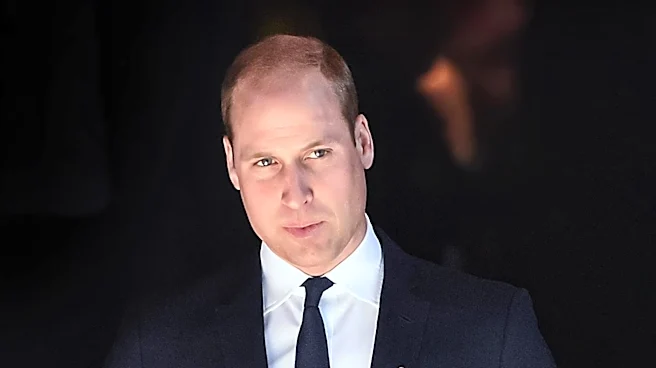
Prince William, during an appearance on Jason and Travis Kelce's podcast, disclosed that his father, King Charles, is not a fan of soccer. This revelation came as a surprise during a discussion about the Prince's passion for the sport, which is currently
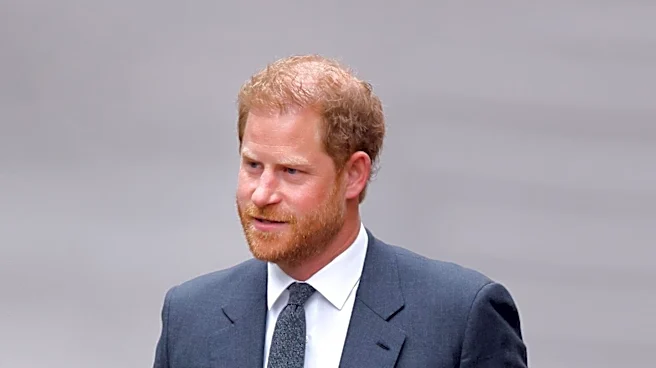
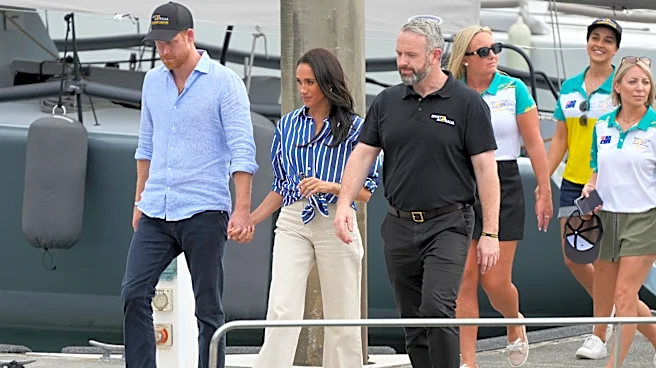
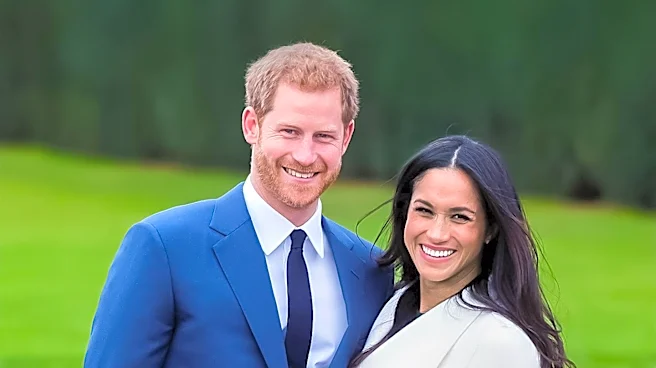
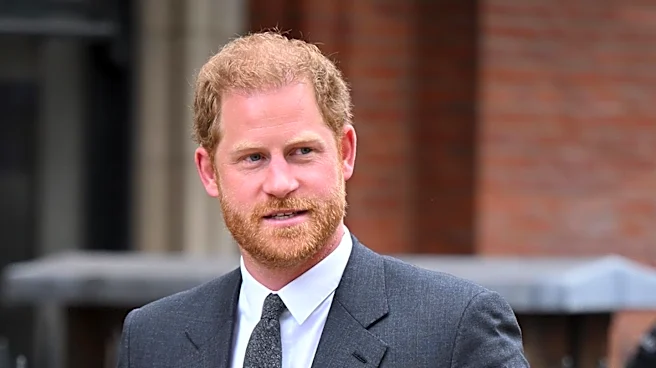
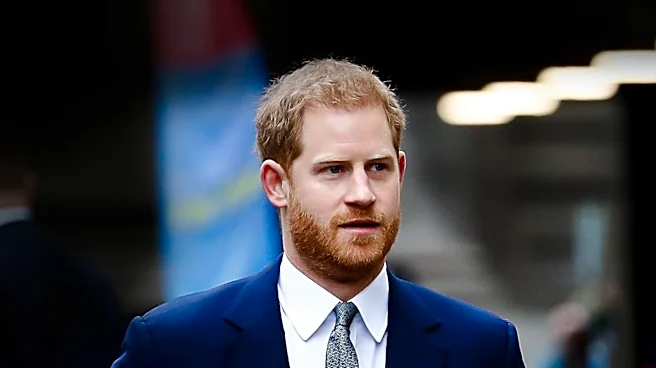
highlighted by the FIFA World Cup being hosted in North America. Prince William, a known supporter of Aston Villa and patron of the Football Association, shared that his love for soccer was influenced by his school friends rather than his family. The podcast appearance coincided with Prince Harry's planned visit to the UK, which Meghan Markle and their children will not attend due to security concerns. Despite an invitation from King Charles to stay at Buckingham Palace, the lack of police protection has complicated their visit.
Why It's Important?
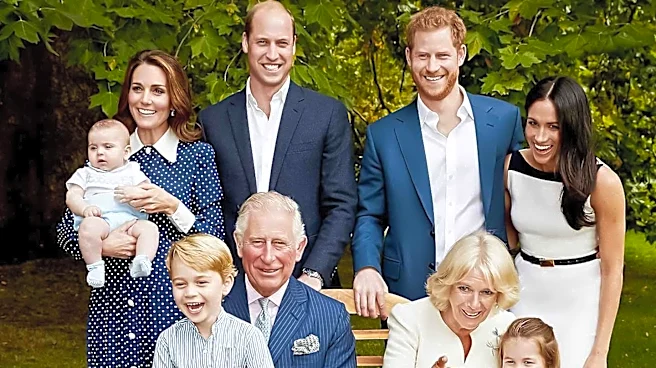
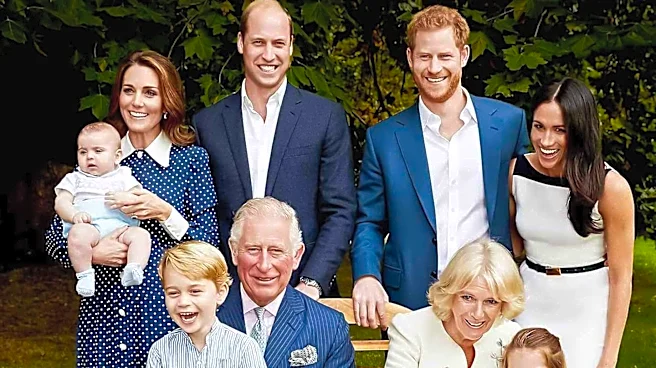
The revelation about King Charles's lack of interest in soccer provides insight into the personal dynamics within the British royal family, particularly in the context of public engagements and personal interests. Prince William's candidness on a popular podcast highlights the evolving nature of royal communications, where informal platforms are increasingly used to connect with the public. Additionally, the security concerns surrounding Meghan Markle and her children's absence from the UK visit underscore ongoing challenges faced by the royal family in balancing public duties with personal safety. This situation reflects broader issues of privacy and security for high-profile individuals, which can influence public perceptions and media narratives.
What's Next?
Prince Harry's visit to the UK, without Meghan and their children, may lead to further media scrutiny and speculation about the family's dynamics and future public appearances. The royal family's approach to security and privacy will likely continue to be a topic of interest, especially as they navigate public engagements and personal matters. Prince William's engagement with popular media platforms may also set a precedent for future royal communications, potentially influencing how the family interacts with the public and media.