


What's Happening?
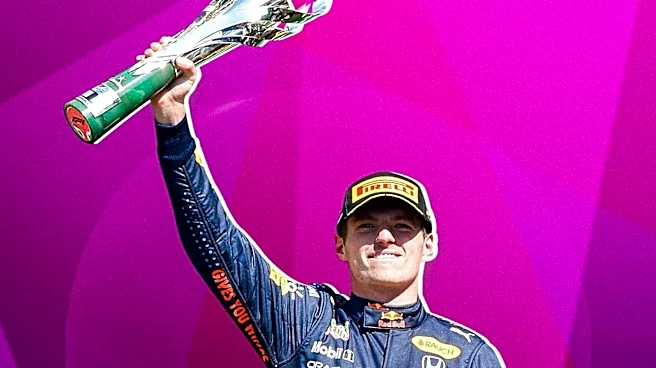
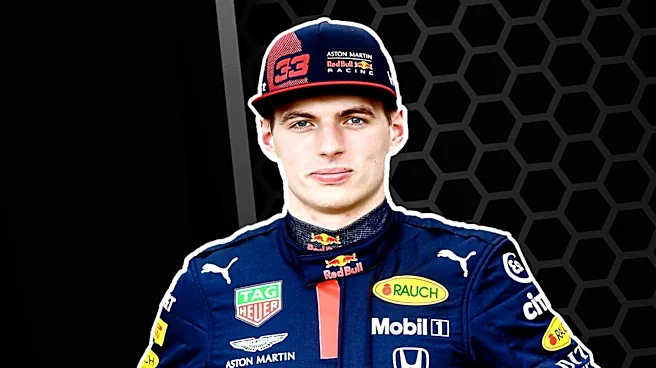
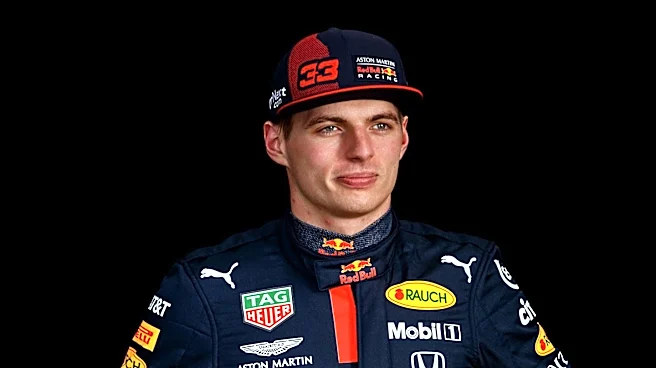
Vitantonio Liuzzi, a former Formula 1 driver and current FIA steward, has described Max Verstappen as a 'war machine' who challenges race officials by pushing the rules to their limits. Liuzzi, part of the FIA's rotating panel of stewards, noted that
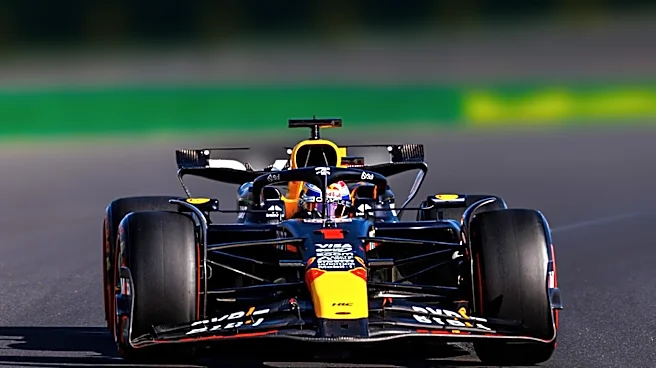
Verstappen's driving style often places him on the edge of regulations, making it difficult for officials to assess incidents. Despite being sixth in the championship, Verstappen continues to compete aggressively, recently finishing second at the Hungarian Grand Prix. Liuzzi emphasized that Verstappen's tactics create challenges for the FIA, as his maneuvers often require careful analysis to determine compliance with the rules.
Why It's Important?
Verstappen's approach to racing highlights the ongoing challenges faced by the FIA in enforcing regulations and maintaining fair competition. His ability to operate on the edge of the rules underscores the need for clear and consistent guidelines to ensure all drivers compete on a level playing field. This situation also reflects the strategic mindset required in F1, where drivers must balance aggression with adherence to regulations. Verstappen's tactics may influence how other drivers approach races, potentially leading to changes in driving styles and strategies across the grid. The FIA's handling of such cases could impact its credibility and the perception of fairness in the sport.
Beyond the Headlines
The situation with Verstappen raises broader questions about the role of race stewards and the effectiveness of current regulations in managing aggressive driving. It also highlights the potential for technological advancements, such as improved telemetry and data analysis, to aid in decision-making. The FIA may need to consider revising guidelines or implementing new technologies to better monitor and assess on-track behavior. Additionally, Verstappen's approach could influence younger drivers, shaping the future of racing tactics and the evolution of the sport.