








What's Happening?
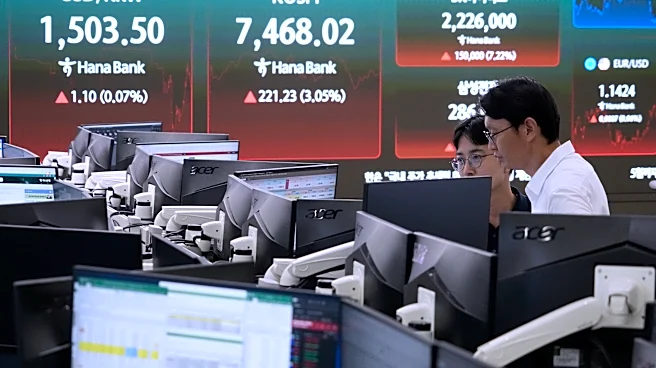
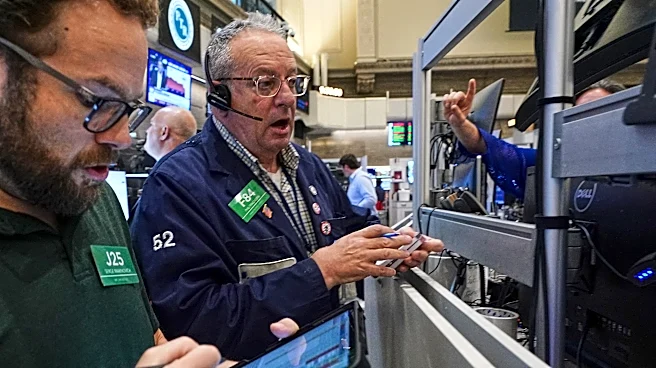
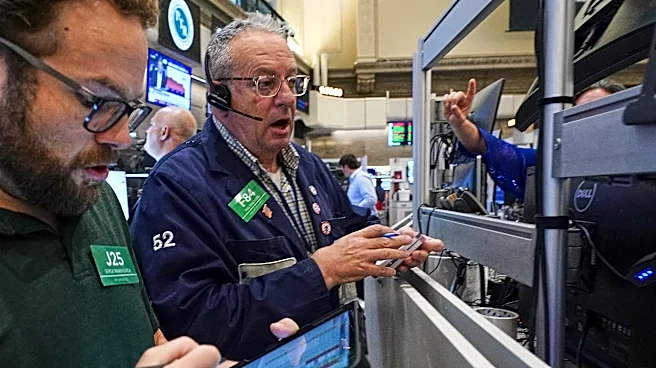
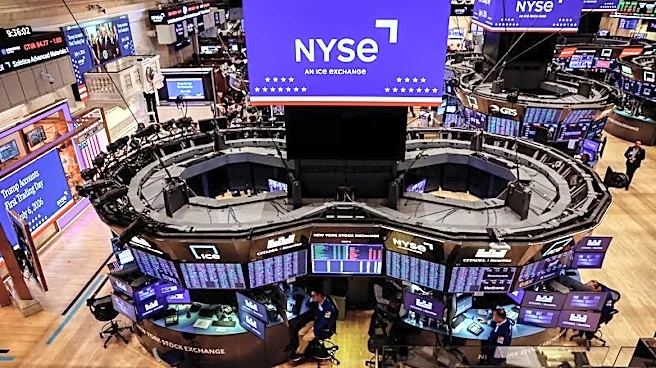
On July 9, 2026, S&P 500 and Nasdaq futures experienced slight gains, driven by a rise in chip stocks, despite heightened geopolitical tensions following U.S. military strikes on Iran. These strikes were aimed at keeping the Strait of Hormuz open for
shipping, a critical passage for global oil transport. In response, Iran launched attacks on Kuwait and Bahrain, escalating a conflict that has persisted for four months. This development came shortly after President Trump declared an interim ceasefire with Iran to be over, leading to increased volatility in oil prices, which rose by about 1% after initially easing. The market's reaction reflects investor concerns over the potential for prolonged conflict and its impact on global markets.
Why It's Important?
The geopolitical tensions between the U.S. and Iran have significant implications for global markets, particularly in the energy sector. The Strait of Hormuz is a vital chokepoint for oil shipments, and any disruption could lead to increased oil prices, affecting industries reliant on energy. The stock market's response, with fluctuations in futures and sector-specific impacts, highlights the sensitivity of financial markets to geopolitical events. Investors are closely monitoring these developments, as prolonged tensions could lead to sustained market volatility and impact economic stability. The situation also underscores the interconnectedness of global markets and the potential for regional conflicts to have widespread economic repercussions.
What's Next?
Investors and market analysts will be watching for further developments in the U.S.-Iran conflict, as any escalation could lead to more significant market disruptions. The Federal Reserve's stance on interest rates, as indicated by recent meeting minutes, suggests a cautious approach, with potential rate hikes being considered. This monetary policy context adds another layer of complexity to market dynamics. Additionally, upcoming economic indicators, such as jobless claims and speeches by Federal Reserve officials, will be scrutinized for insights into the U.S. economic outlook. The ongoing geopolitical tensions and their impact on oil prices will remain a critical focus for market participants.