



What's Happening?
Chinese skincare brand Proya is set to launch its Advanced Firming and Original Repair collections in 400 Ulta Beauty stores and on Ulta.com starting in November. This move marks a significant step for C-beauty (Chinese beauty) in gaining familiarity
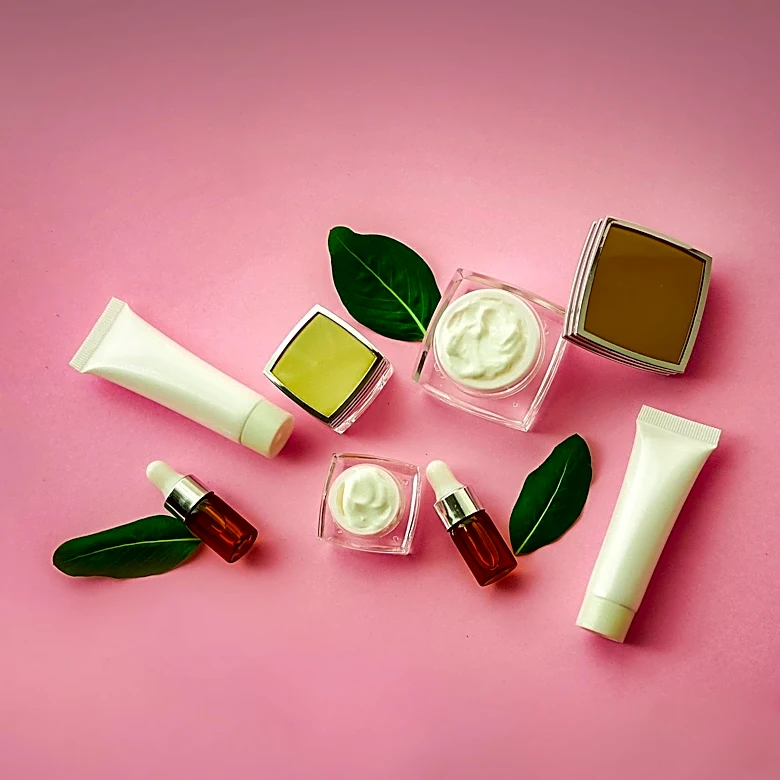
and market share in the United States, a market where K-beauty (Korean beauty) has already established a strong presence. Proya's Advanced Firming collection features peptides and retinol, while the Original Repair line focuses on skin-barrier support, collagen, and addressing early signs of aging. With Ulta operating over 1,500 locations nationwide, this launch places Proya in approximately one-quarter of the retailer's domestic footprint, providing substantial physical visibility and access to beauty advisors. While Proya products are currently available to American consumers through its website, Amazon, and international beauty platforms, the Ulta partnership aims to provide repeated, physical exposure to mainstream American beauty consumers, allowing them to experience the products firsthand.
Why It's Important?
This strategic launch is important for several reasons. Firstly, it represents a significant opportunity for C-beauty to build brand recognition and consumer trust in the U.S. market, which has historically been dominated by K-beauty and J-beauty (Japanese beauty). The physical presence in Ulta stores allows consumers to interact with the products, feel their textures, and compare formulas alongside established brands, which is crucial for skincare purchases. Secondly, Ulta's vast consumer ecosystem, including over 46 million loyalty members who generate approximately 95% of its U.S. sales, offers Proya unparalleled access to a broad customer base. This exposure could help overcome challenges such as lower international recognition and geopolitical tensions that Chinese brands often face. The success of Proya's launch could pave the way for other C-beauty brands to enter the U.S. market, diversifying the beauty landscape and offering consumers more choices. Conversely, the challenge lies in overcoming consumer perceptions tied to country of origin, as K-beauty and J-beauty have already cultivated strong associations with innovation, quality, and specific routines.
What's Next?
Following the November launch, the immediate focus for Proya will be on consumer reception and sales performance within Ulta Beauty stores and online. The brand will likely monitor customer feedback, engagement with beauty advisors, and overall market penetration to assess the effectiveness of its U.S. expansion strategy. Ulta Beauty will also be observing the performance of Proya's collections to determine future stocking and promotional efforts. If successful, this launch could lead to an expanded presence for Proya in more Ulta locations and potentially encourage other U.S. retailers to consider carrying C-beauty brands. The broader beauty industry will be watching to see if this initiative can shift consumer perceptions and create a dedicated space for C-beauty in the competitive American market, potentially influencing future sourcing and marketing strategies for both retailers and international beauty brands.
Beyond the Headlines
Beyond the immediate commercial implications, Proya's entry into Ulta Beauty carries deeper cultural and economic significance. The success of C-beauty in the U.S. could challenge existing beauty narratives and expand the understanding of global beauty standards. It highlights the evolving nature of consumer behavior, where direct physical interaction with products, even in an increasingly digital world, remains a powerful driver for purchase decisions, especially in the skincare category. Furthermore, this move could subtly influence geopolitical perceptions by fostering cultural exchange through consumer products, potentially softening existing tensions by building familiarity and trust. The integration of C-beauty into mainstream American retail also underscores the growing interconnectedness of global markets and the continuous search for newness and innovation within the beauty industry, pushing brands to adapt to diverse consumer preferences and market dynamics.