







What's Happening?
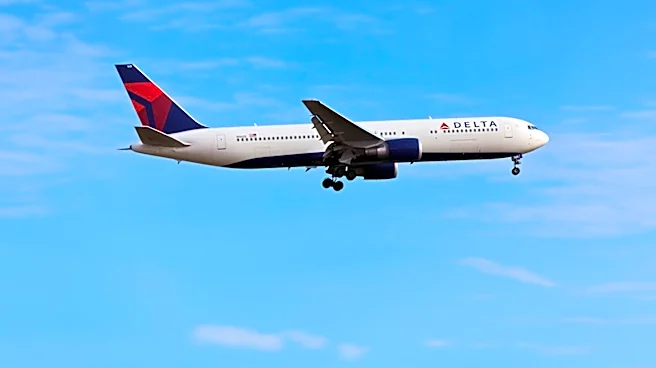
Delta Air Lines will suspend its Atlanta to Tulum route starting May 3, 2027, marking the end of its last service to the Mexican Caribbean airport from Atlanta. This follows earlier cancellations of its Detroit and Minneapolis routes to Tulum. Daily flights
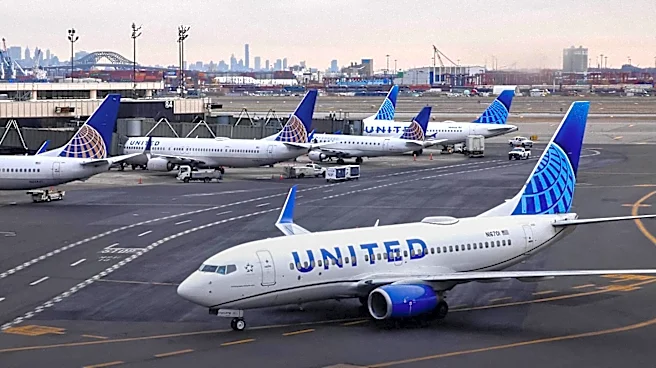
are scheduled from November 22, 2026, through May 2, 2027, with a reduction to five days a week during the winter period from January 12 to March 3, 2027. Planned Saturday-only flights for May 3 to July 31, 2027, have also been canceled. Delta hopes to resume seasonal service to Tulum in November 2027, but no firm date has been set. This move is part of a wider trend, as other airlines like United, American, and Volaris are also reducing or ending their Tulum services, with reports from Por Esto citing low demand and high operating costs as potential reasons.
Why It's Important?
The suspension of Delta's Atlanta-Tulum route, coupled with similar actions by other major airlines, signals a significant shift in air travel to the newly opened Tulum International Airport. This development could negatively impact tourism and local businesses in Tulum that rely on international visitors, particularly from the U.S. Travelers from Atlanta and other U.S. cities will face fewer direct flight options, likely needing to fly into Cancún International Airport and arrange ground transportation, which is reportedly more expensive and less connected from Tulum. This situation highlights the challenges new international airports can face in establishing sustainable demand and competitive operational costs, potentially leading to economic repercussions for the region and altered travel patterns for U.S. tourists.
What's Next?
Travelers with existing Delta tickets to Tulum after May 2, 2027, should contact Delta for rebooking or refund options. Those planning trips to Tulum for summer 2027 and beyond will need to consider flying into Cancún and arranging alternative transportation. The hope for a seasonal return by Delta in November 2027 remains uncertain without a firm date, suggesting that travelers should not rely on it for future plans. The lack of new airlines announced to replace departing ones indicates a potential long-term reduction in direct international air access to Tulum, which could prompt local authorities and airport operators to re-evaluate strategies for attracting and retaining airline services.
Beyond the Headlines
The broader implications of this airline pullback extend beyond immediate travel inconveniences. It raises questions about the viability and strategic planning of new airport developments, especially in competitive tourist regions. The reported issues of low demand and high operating costs at Tulum International Airport could serve as a case study for future infrastructure projects. Furthermore, the shift of air traffic back to Cancún could exacerbate congestion at that airport while potentially stifling the economic growth and development initially envisioned for Tulum. This situation underscores the complex interplay between airline economics, tourism demand, and regional infrastructure development.