




What's Happening?
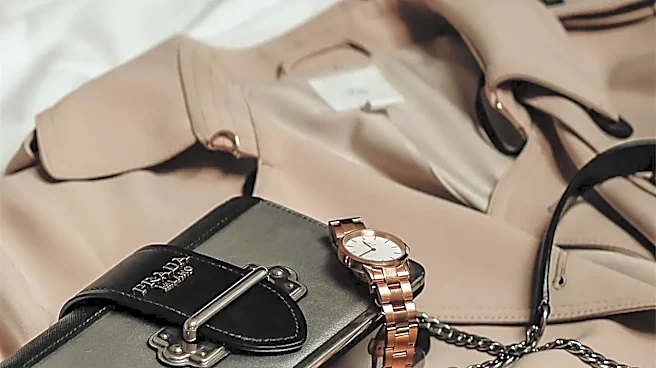
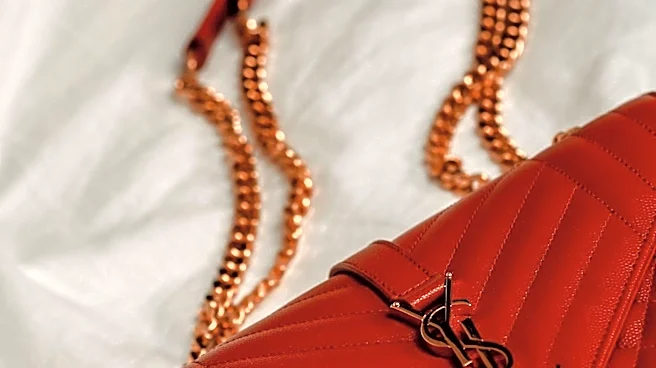
The market for luxury designer handbags for women is being highlighted for its blend of style, elegance, and functionality. These handbags, crafted from premium materials like high-quality leather and luxurious fabrics, are presented as more than just
accessories; they are symbols of sophistication and long-lasting appeal. Renowned brands such as Gucci, Chanel, and Louis Vuitton are specifically mentioned for their commitment to quality and timeless designs. The collection of luxury handbags includes various styles, such as totes, satchels, clutches, and crossbody bags, each serving different purposes and allowing for personal expression. The emphasis is on the meticulous craftsmanship and the enduring nature of these items, suggesting they are built to last and maintain their aesthetic value over time. The discussion underscores that choosing a handbag from these designers is an investment in a timeless accessory that can enhance any wardrobe.
Why It's Important?
The focus on luxury designer handbags as investments rather than mere purchases signifies a broader trend in consumer behavior within the U.S. fashion industry. Consumers are increasingly valuing durability, classic design, and potential resale value, shifting away from fast fashion towards more sustainable and high-quality items. This trend impacts manufacturers to maintain stringent quality standards and innovative designs to justify premium pricing. For economic stakeholders, the high resale value of these bags creates a secondary market, influencing pricing strategies and brand perception. The emphasis on 'status' and 'sophistication' also reflects the cultural importance of luxury goods in personal branding and social signaling, affecting marketing strategies and consumer aspirations. This market segment contributes significantly to the luxury goods economy, supporting skilled craftsmanship and design innovation.
What's Next?
The continued demand for luxury designer handbags suggests that brands will likely further invest in sustainable practices, ethical sourcing of materials, and innovative design to maintain their appeal and justify their investment value. We can expect to see more emphasis on storytelling around craftsmanship and heritage to reinforce the 'timelessness' aspect. The secondary market for luxury handbags is also likely to grow, with more platforms and services emerging to facilitate resale and authentication, further solidifying their status as investments. Brands may also explore personalized experiences and exclusive collections to cater to discerning customers who seek unique pieces that reflect their individual style and personality. The industry will likely continue to adapt to evolving consumer preferences for both practicality and luxury.
Beyond the Headlines
The narrative around luxury handbags extends beyond fashion to touch upon broader societal values concerning consumption and status. The idea of a handbag as an 'investment' challenges traditional notions of fashion as ephemeral, suggesting a move towards more conscious and value-driven purchasing. This also highlights the ethical considerations in the luxury market, such as labor practices and environmental impact, as consumers become more aware. The cultural dimension of these items as 'emblems of luxury and sophistication' reflects how material possessions are intertwined with identity and social standing. The long-term shift could see luxury brands playing a more significant role in promoting sustainable consumption models and preserving artisanal skills, thereby influencing not just fashion trends but also broader economic and ethical landscapes.