


What's Happening?
The modern farmhouse aesthetic, a prominent interior design trend since the 2010s, is evolving to incorporate industrial design elements, particularly in kitchens. This shift moves away from the more traditional farmhouse look, which gained popularity
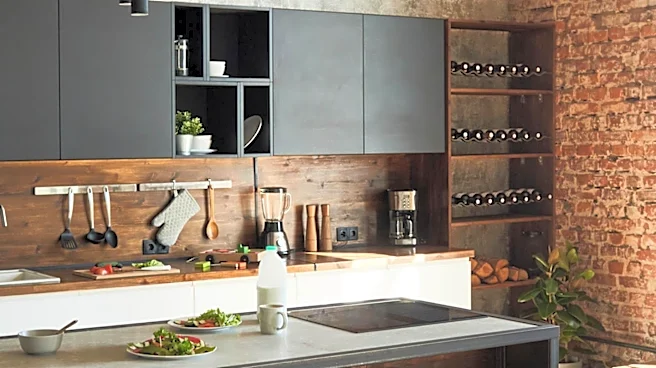
through shows like HGTV's 'Fixer Upper.' The updated style emphasizes blending classic farmhouse details with sleek, industrial components. Key changes include the use of richer, darker-stained woods instead of lightly stained or whitewashed options, and the integration of metal accents and modern fixtures. Designers are also advocating for mixing metals with strong contrasts, such as warm gold or brass with cool silver or chrome, and upgrading to stainless steel appliances. Flooring choices are also changing, with industrial-chic concrete or tile floors being favored over light hardwood to create a contrasting effect.
Why It's Important?
This design evolution reflects a broader trend in consumer preferences towards more sophisticated and nuanced home aesthetics. For the U.S. interior design and home improvement industries, this means a shift in demand for specific materials, fixtures, and appliances. Manufacturers and retailers of kitchen cabinetry, flooring, lighting, and appliances will need to adapt their product lines to cater to this modern farmhouse industrial blend. Homeowners and renovators are gaining more diverse options, allowing for personalized spaces that combine rustic charm with contemporary elegance. This trend also highlights the ongoing influence of media, like HGTV, in shaping design tastes and driving market changes within the home decor sector, impacting sales and marketing strategies for related businesses.
What's Next?
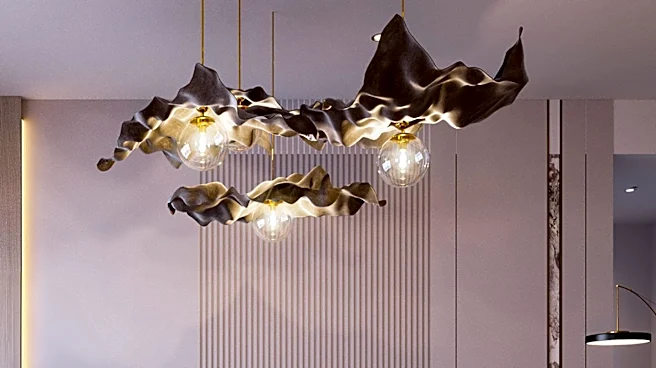
The continued evolution of the modern farmhouse style suggests that designers and homeowners will further explore the integration of diverse elements to create unique and personalized spaces. We can anticipate an increase in product offerings that specifically cater to this blended aesthetic, including more options for darker wood finishes, industrial-inspired lighting, and mixed-metal hardware. The trend may also influence other areas of home design beyond the kitchen, as consumers seek to maintain a cohesive style throughout their residences. Design publications and home improvement shows are likely to feature more examples of this updated style, further solidifying its presence in the market and potentially inspiring new sub-trends within the broader farmhouse aesthetic.
Beyond the Headlines
This shift in design preference goes beyond mere aesthetics; it reflects a cultural desire for spaces that feel both comforting and contemporary. The modern farmhouse industrial style offers a sense of groundedness through its rustic elements, while the industrial touches provide a forward-looking, sophisticated edge. This blend can be seen as a response to the fast-paced modern world, where people seek sanctuaries that are both functional and visually appealing. It also highlights the cyclical nature of design trends, where classic styles are continually reinterpreted and updated to remain relevant. The emphasis on mixing materials and textures also encourages creativity and individuality in home decor, moving away from monolithic design approaches towards more curated and eclectic interiors.