


What's Happening?
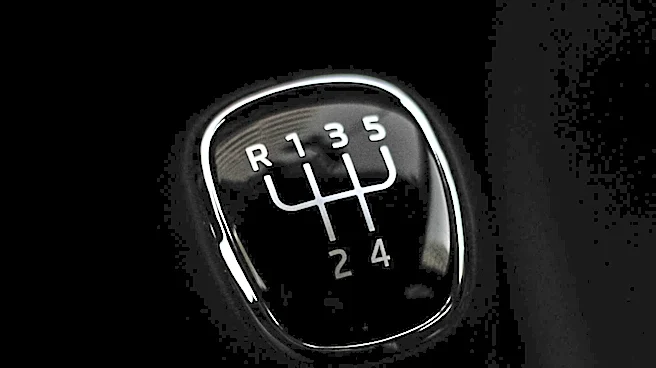
According to a 2025 Environmental Protection Agency report, less than 1% of new vehicles made for the U.S. market feature manual transmissions, a significant decline from 35% in 1980. This trend highlights a shift in consumer preferences, as more drivers
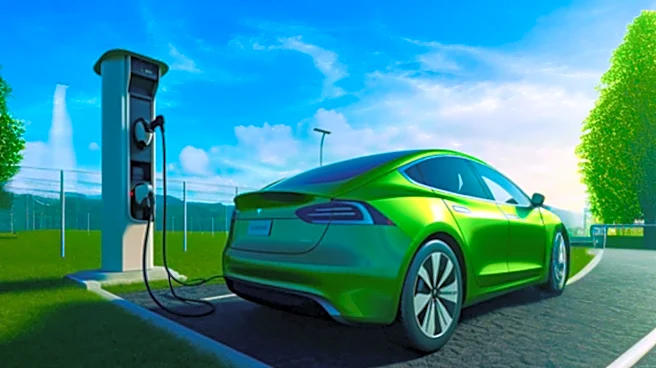
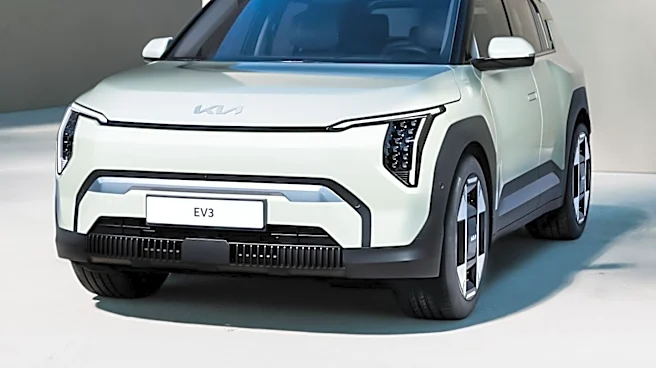
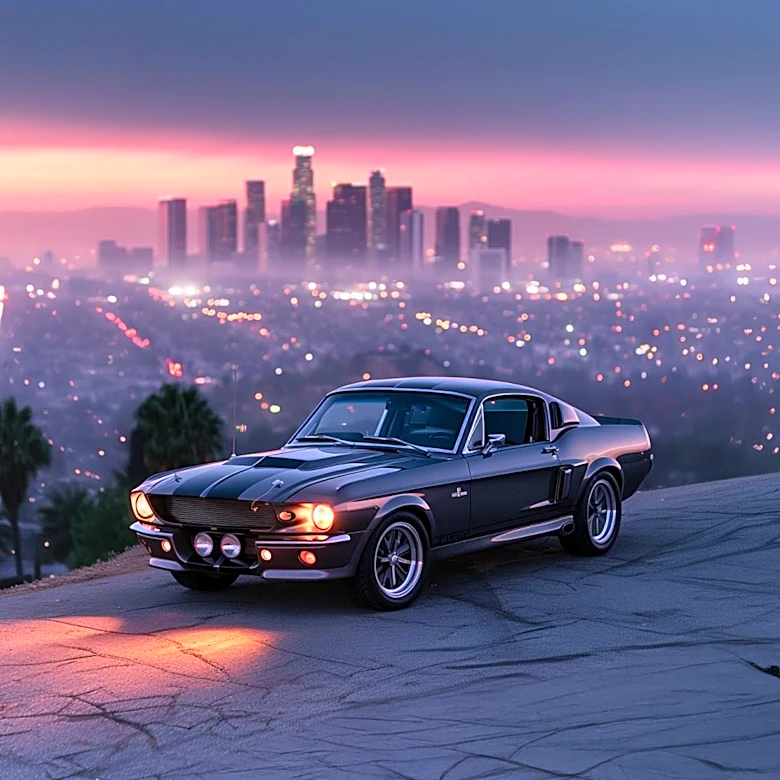
view driving as an interruption rather than an engaging experience. The decline is not solely attributed to the rise of electric vehicles and autonomous features but also to changing attitudes towards driving. The manual transmission, once a staple of driving culture, is becoming increasingly rare, with fewer models offering this option.
Why It's Important?
The decline of manual transmissions in the U.S. automotive market signifies a broader cultural shift in how driving is perceived. As consumers prioritize convenience and technology, the demand for manual vehicles diminishes, impacting manufacturers and enthusiasts. This trend could lead to a loss of driving skills associated with manual transmissions and a decrease in the variety of vehicles available to consumers. Additionally, it reflects the growing influence of technology in everyday life, as automatic and electric vehicles become more prevalent.
What's Next?
As manual transmissions continue to decline, manufacturers may further reduce the number of models offering this option, focusing instead on developing advanced automatic and electric vehicles. Enthusiasts who prefer manual driving may need to seek out older models or specialty vehicles to maintain their driving experience. The automotive industry will likely continue to innovate in response to consumer demands for convenience and technology, potentially leading to new developments in vehicle design and functionality.