


What's Happening?
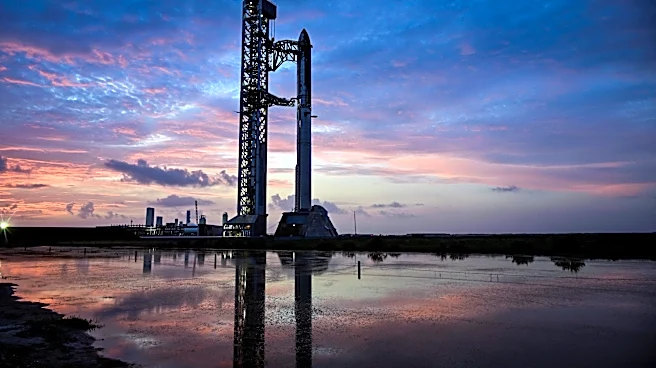
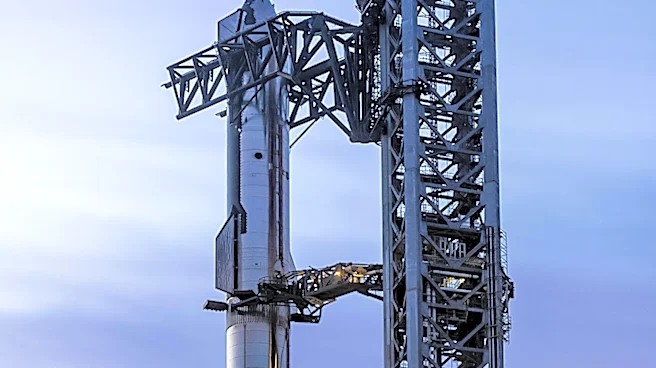
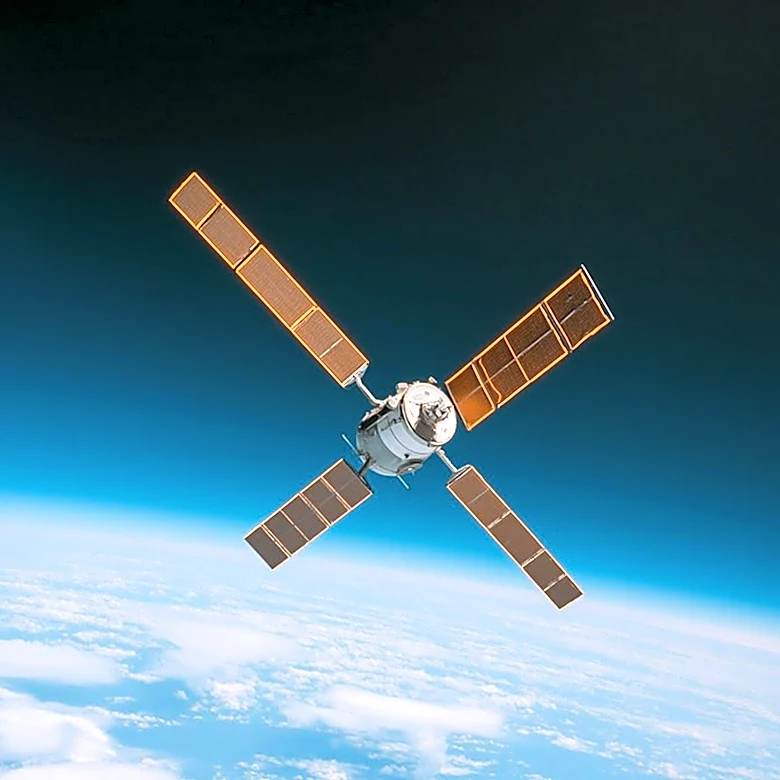
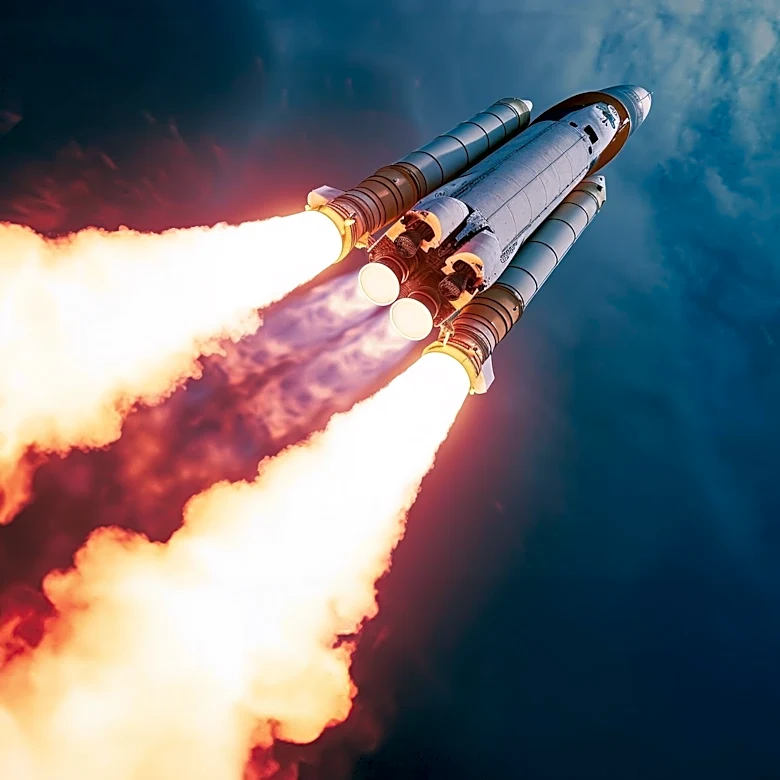
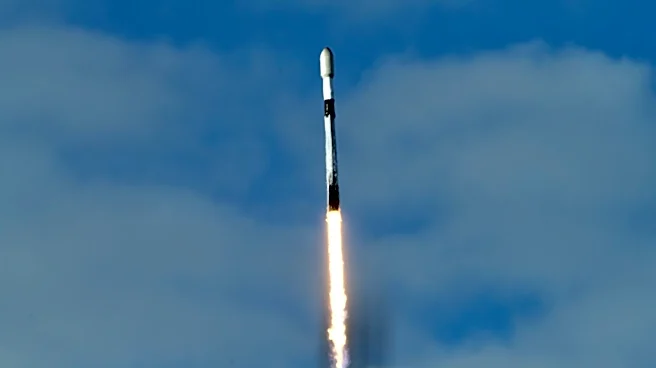
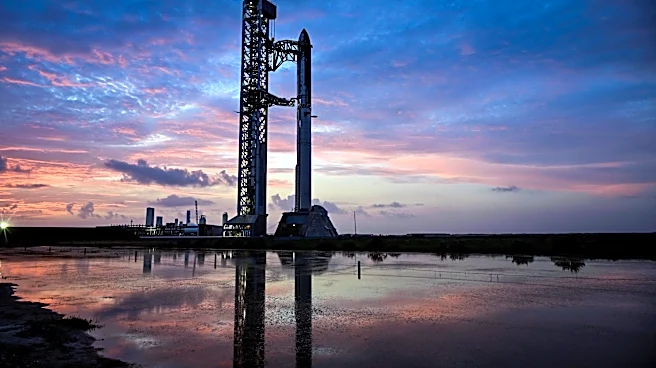
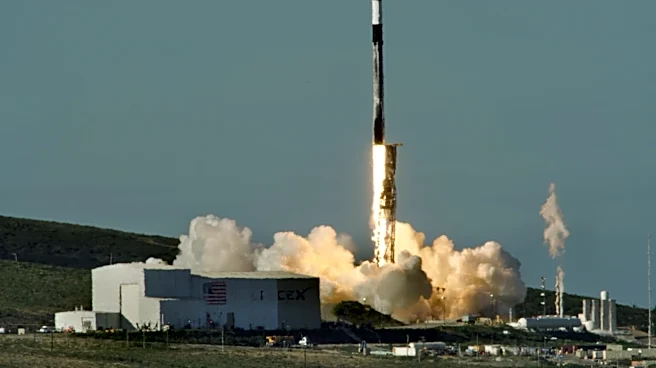
SpaceX conducted its 13th test flight of the Starship rocket, deploying 20 advanced Starlink satellites. The test, which took place on July 24, 2026, saw the Starship upper stage achieve most of its objectives, including a successful in-space engine burn
and a controlled splashdown in the Indian Ocean. However, the Super Heavy booster failed to relight enough engines for a controlled landing, resulting in a crash into the Gulf of Mexico. This incident marks the second failure of the Super Heavy booster in recent tests, following a similar issue in May. Despite these setbacks, SpaceX remains optimistic about the Starship project, which aims to expand the Starlink network and eventually provide satellite connectivity to mobile phones outside conventional cellular coverage areas.
Why It's Important?
The successful deployment of the advanced Starlink satellites is a significant step for SpaceX's ambitions to enhance global internet connectivity. The Starship's ability to complete a controlled splashdown demonstrates progress in its reusability, a critical factor for reducing costs in space travel. However, the repeated failures of the Super Heavy booster highlight ongoing challenges in achieving reliable reusability for the entire launch system. These developments are crucial for SpaceX's long-term goals, including using Starship for lunar missions and potential Mars colonization. The success of these tests could have significant implications for the future of space exploration and commercial space travel.
What's Next?
SpaceX will likely continue to refine the Starship and Super Heavy booster systems to address the issues encountered during recent tests. The company aims to achieve full reusability for both components, which is essential for cost-effective space missions. Future tests will focus on improving engine reliability and ensuring successful booster landings. Additionally, SpaceX's plans to expand the Starlink network with more advanced satellites will continue, potentially transforming global internet access. The company also faces legal challenges regarding its launch site expansion in Texas, which could impact future operations.