


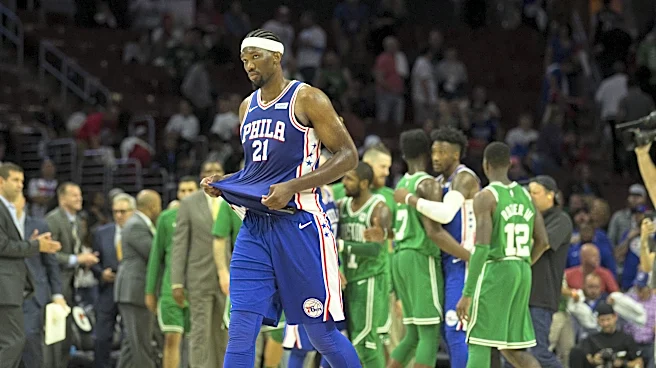
What's Happening?
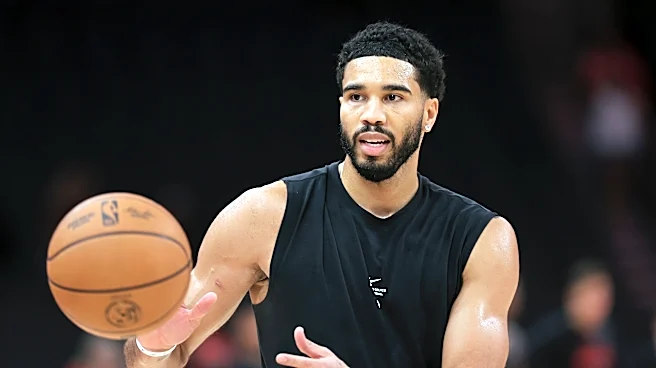
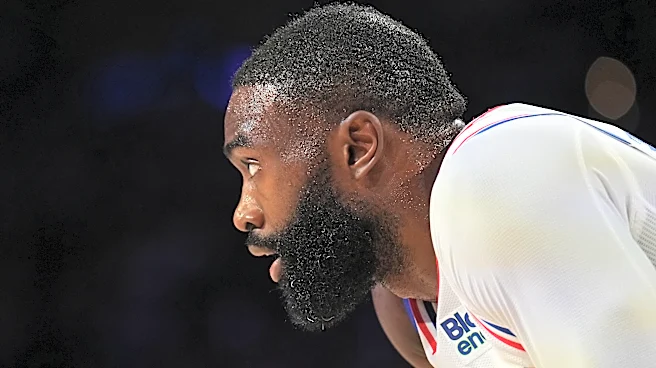
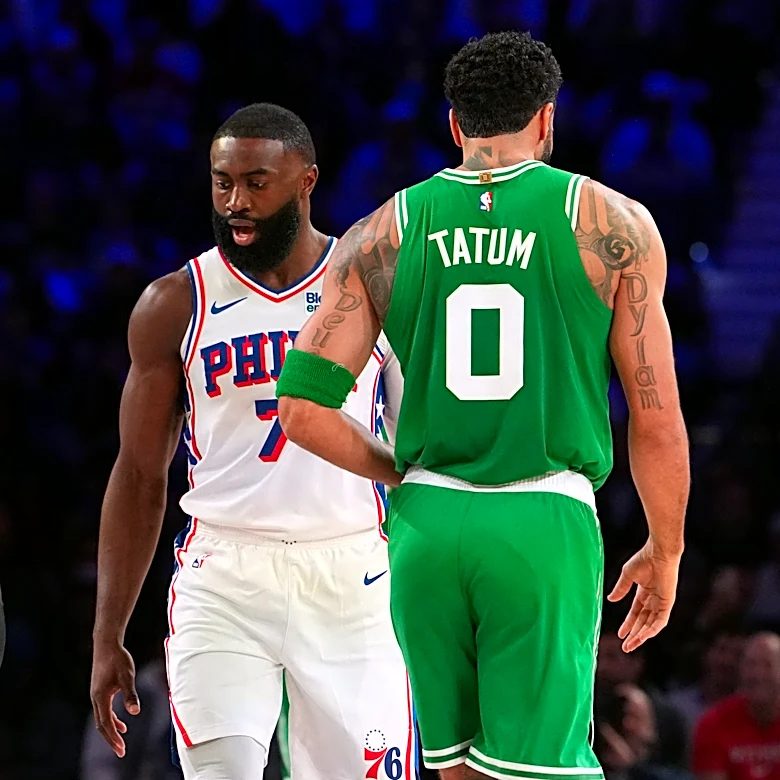
During the Boston Celtics' shootaround at Xfinity Mobile Arena before their game against the Philadelphia 76ers, the song "Why Can't We Be Friends?" by War was played over the public address system. This musical choice is being interpreted as a humorous
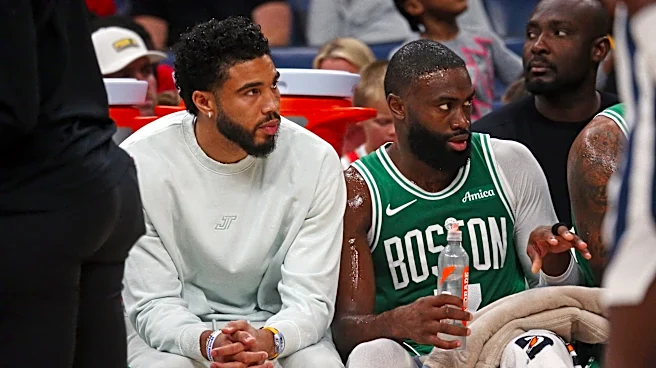
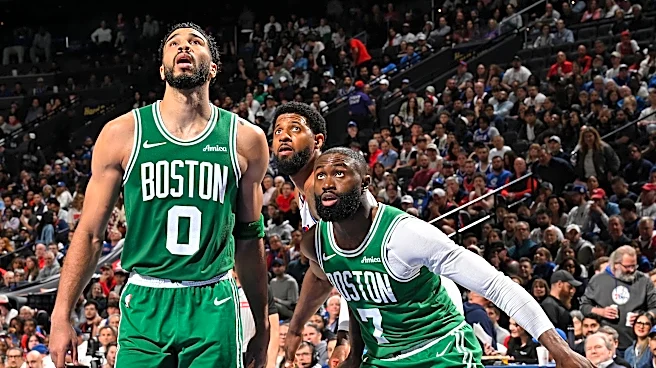
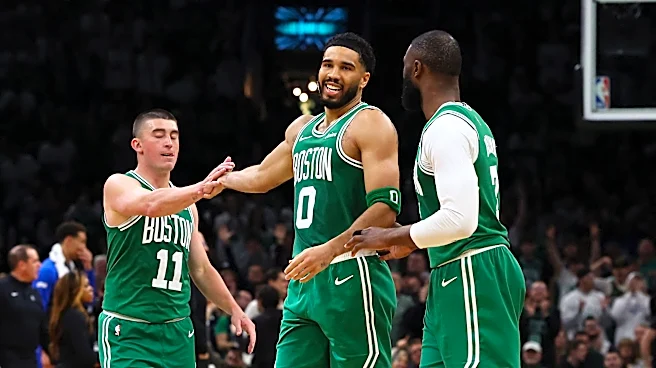
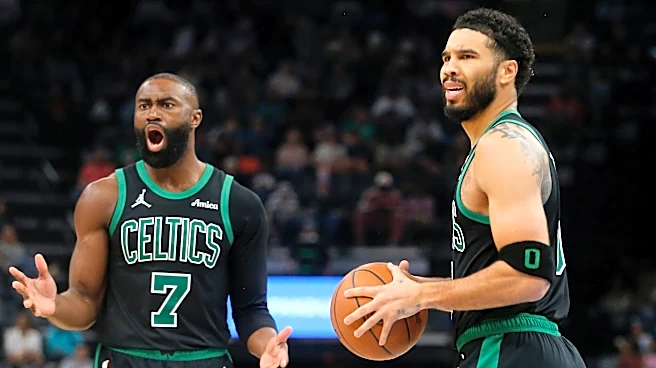
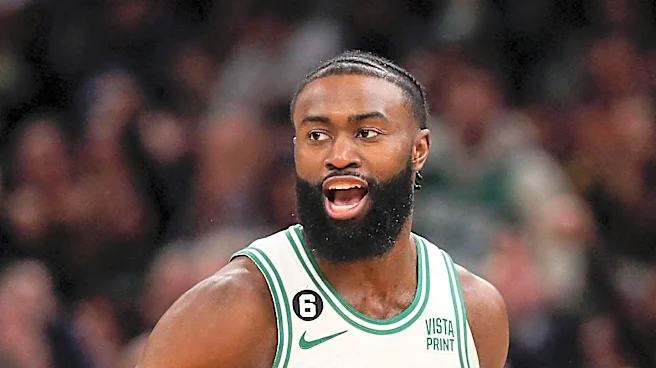
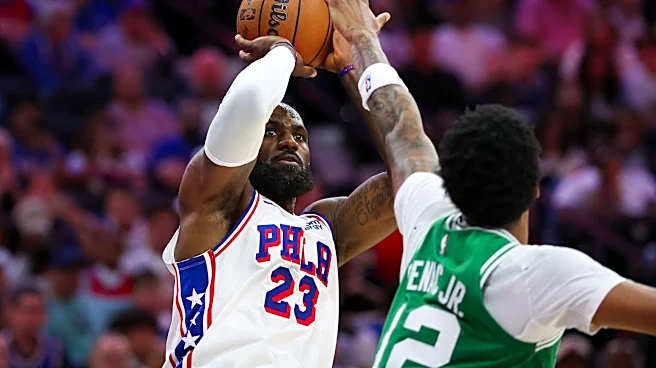
nod to the relationship between Celtics star Jayson Tatum and his former teammate, now 76ers forward, Jaylen Brown. Brown was traded to Philadelphia in the offseason, and this game marks his first time playing against his former team. Both players have previously downplayed any animosity, with Brown famously stating there's "no beef, but it might be little lamb chops and some gravy." The song choice highlights the ongoing narrative surrounding their past partnership and the competitive rivalry between the two teams.
Why It's Important?
This seemingly lighthearted gesture carries significant weight in the context of professional sports, particularly in the NBA. It underscores the personal dynamics that often accompany high-profile player trades and the intense rivalries between teams. For fans, it adds an emotional layer to the game, transforming a regular-season matchup into a narrative-rich event. For the players, it serves as a reminder of past relationships and the competitive nature of their profession. The interaction, even if indirect, can influence team morale, fan engagement, and media narratives, potentially adding pressure or motivation for the players involved. It also reflects the unique culture of sports, where humor and rivalry often intertwine, creating memorable moments beyond the game itself.
What's Next?
The immediate next step is the game itself, where Jaylen Brown will face his former team and Jayson Tatum. The on-court interactions and performances of both players will be closely scrutinized, not just for their athletic prowess but also for any underlying emotional or competitive subtext. Media coverage will likely focus on post-game comments from both Brown and Tatum regarding their reunion. Beyond this specific game, the narrative of their past partnership and individual successes will continue to evolve as their careers progress with their respective teams. This event could set a precedent for how future player reunions are handled, both by teams and the media, in the league.
Beyond the Headlines
The use of music in this context goes beyond simple entertainment; it's a form of subtle communication and narrative building within the sports world. It reflects how teams and media leverage cultural elements to engage with fans and add depth to sporting events. This incident also touches upon the broader theme of player loyalty versus the business of sports. While players form bonds, trades are an inherent part of the league, often leading to emotional farewells and competitive reunions. The "Why Can't We Be Friends?" song playfully acknowledges this tension, highlighting the human element within the highly commercialized world of professional basketball. It also showcases the role of social media and fan engagement in amplifying such moments, turning a simple song choice into a widely discussed topic.