
What's Happening?
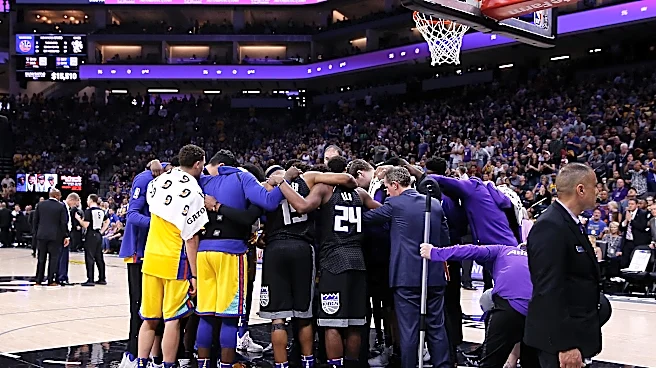
Sacramento Kings owner Vivek Ranadive has decided not to fire head coach Doug Christie despite the team's dismal 1-13 record, placing them at the bottom of the NBA standings. This decision follows a 22-60 record in Christie's first full season as head coach.
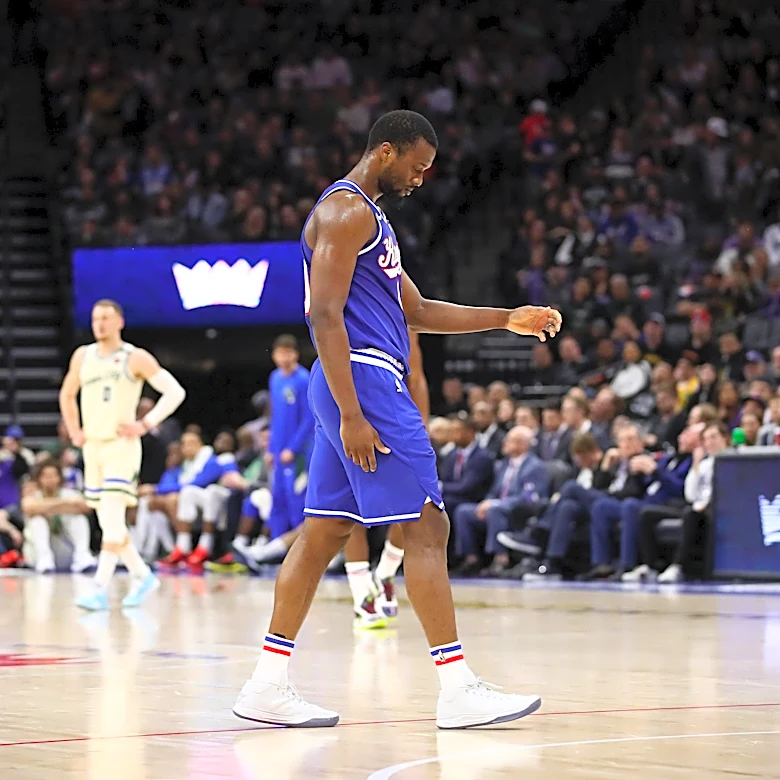
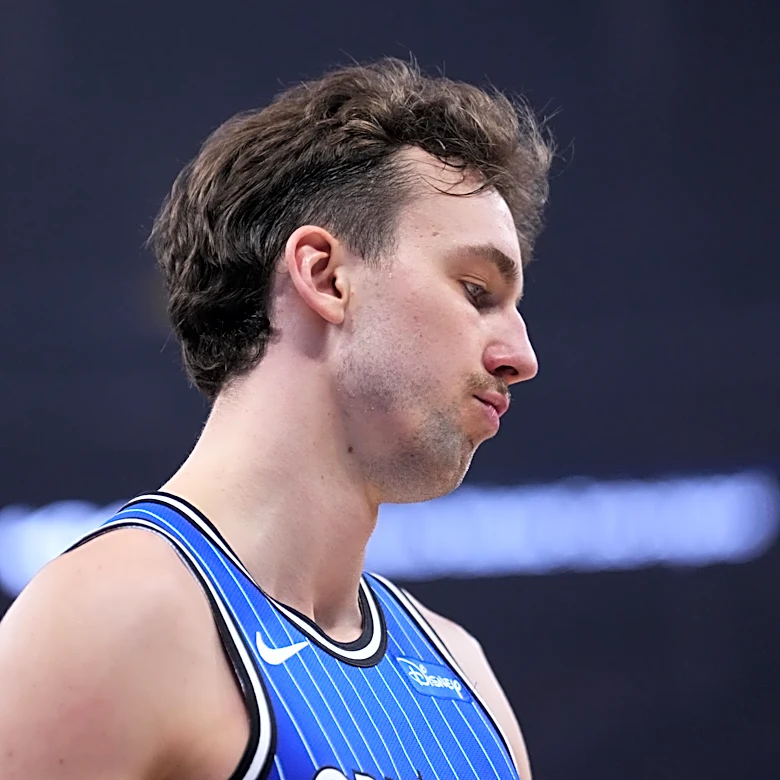
Christie is currently under contract for another year and is reportedly the lowest-paid coach in the NBA. The organization's public reasoning for retaining Christie is to avoid disrupting the development of rookie point guard Darius Acuff Jr. However, many analysts and fans question whether Christie's coaching is beneficial for Acuff's growth. The team started the season with six consecutive losses, allowing an average of 128.3 points per game, and after a single win against the Dallas Mavericks, has since dropped seven more games, with a minus-13.8 PPG differential during this recent losing streak. Despite the current stance, it has been indicated that Christie will not be the Kings coach next season, with the front office opting to let him finish his contract for cost-effectiveness.
Why It's Important?
This decision by Vivek Ranadive has significant implications for the Sacramento Kings franchise, its players, and its fanbase. By retaining a coach widely viewed as underperforming, the team risks further alienating its supporters and potentially hindering the development of key young talent like Darius Acuff Jr. While the stated reason is player development, the ongoing poor performance could negatively impact player morale and the team's ability to attract future talent. The financial aspect of letting Christie's contract expire rather than paying him off and hiring an interim coach highlights a cost-conscious approach, which could be perceived as prioritizing short-term financial savings over immediate on-court success. This strategy could prolong the team's struggles and delay its competitiveness in the Western Conference, affecting fan engagement and potential revenue streams in the long run. The situation also raises questions about accountability within the organization and the effectiveness of its leadership in making critical personnel decisions.
What's Next?
The Sacramento Kings are expected to continue the current season with Doug Christie as head coach, as there is a 'strong preference' within the organization to keep him for the remainder of his contract. This means the team will likely continue to navigate its challenging season with the current coaching staff, including assistant coach Mike Woodson, who has prior NBA head coaching experience. However, it has been made clear that Christie will not return as head coach for the next season. This sets the stage for a coaching search in the upcoming offseason, where the Kings front office will need to identify a new leader to guide the team. The performance of rookie Darius Acuff Jr. under Christie's continued tenure will be closely watched, as will the team's overall record. The decision to delay a coaching change until the end of the season suggests a period of continued instability and underperformance for the Kings, with significant changes anticipated once the current season concludes.
Beyond the Headlines
The Sacramento Kings' decision to retain Doug Christie, despite widespread criticism and poor team performance, reflects a complex interplay of financial considerations, organizational strategy, and player development philosophies. While publicly framed as a move to support rookie development, the underlying financial benefit of letting a low-paid coach finish his contract cannot be overlooked. This approach, while fiscally prudent in the short term, could have deeper implications for the team's culture and long-term competitiveness. It might signal to players and prospective coaches that immediate results are secondary to contractual obligations, potentially impacting the team's ability to attract top-tier talent in the future. Furthermore, the perceived lack of urgency in addressing coaching deficiencies could erode fan trust and engagement, which are crucial for a franchise's sustained success. The situation highlights the delicate balance NBA franchises must strike between financial management, on-court performance, and the cultivation of a winning environment.