



What's Happening?
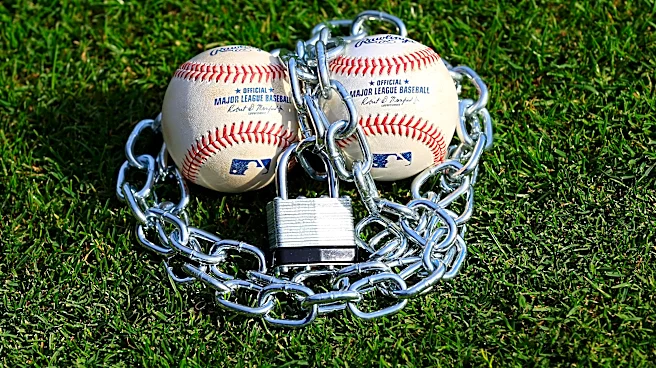
Major League Baseball teams are currently navigating a challenging off-season marked by contentious labor negotiations and the impending expiration of the collective bargaining agreement on December 1. A lockout is widely anticipated as team owners push
for changes to the economic system, including a salary cap, which has met strong opposition from players. This uncertainty is forcing teams to make tough decisions regarding player signings and trades. Former MLB executives, including Tim Purpura, who served as general manager for the Houston Astros, and Dan Duquette, a former executive with three MLB franchises, suggest that teams may temper their spending plans due to the unknown future of the labor agreement. Owners have recently proposed delaying a salary cap until 2028, backing down from an earlier call for 2027, with a proposed hard cap of $258.2 million and a minimum spend of $180.2 million. This would require some high-spending teams to trim payroll and others to boost it.
Why It's Important?
The ongoing labor dispute in Major League Baseball carries significant implications for the league's economic structure and competitive balance. A potential lockout could disrupt the off-season, impacting player movement and team preparations for the upcoming season. The owners' push for a salary cap, if enacted, would fundamentally alter how teams manage their payrolls, potentially leading to a more level playing field but also limiting the spending power of larger market teams. This could affect player salaries and the overall financial landscape of the sport. The uncertainty also makes it difficult for organizations to make long-term investments, such as player contracts, as the rules of engagement for future seasons remain unclear. The outcome of these negotiations will determine the financial framework for MLB for years to come, influencing everything from player compensation to team strategies and fan engagement.
What's Next?
With the collective bargaining agreement set to expire on December 1, a lockout is widely expected, which would halt all player transactions and potentially delay the start of the next season. Teams have a limited window in November to finalize their rosters under the current agreement, creating pressure on general managers, agents, and players to complete transactions. While free agency has begun, major signings have not yet materialized, which is not unusual for this time of year, but the looming labor dispute adds an extra layer of urgency. The revised proposal from owners, suggesting a delayed salary cap until 2028, indicates a potential shift in negotiation tactics, but the fundamental disagreement over economic systems remains. The coming weeks will be crucial for negotiations between the MLB Players Association and team owners to avert a prolonged work stoppage and establish a new labor agreement.
Beyond the Headlines
The MLB labor dispute highlights a recurring tension between team owners seeking financial controls and players advocating for fair compensation and free market principles. This dynamic has historically led to significant work stoppages in professional sports, with long-term consequences for the league's popularity and financial health. The debate over a salary cap touches upon broader economic principles of labor and capital, and its resolution will set a precedent for future negotiations in other sports leagues. Beyond the immediate impact on player contracts and team spending, a prolonged lockout could erode fan loyalty and negatively affect the sport's cultural standing. The outcome will not only shape the financial future of MLB but also influence the perception of professional sports as a business and a public spectacle.