





What's Happening?
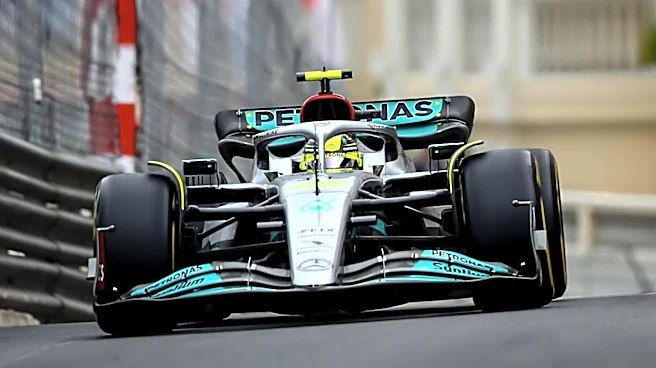
Michel Boeri, head of the Monegasque Automobile Club (ACM), has confirmed that the iconic Monaco Grand Prix circuit will not undergo any changes. This decision comes despite ongoing discussions and suggestions, including one from Ferrari driver Charles
Leclerc, about modifying the track layout to potentially improve racing and overtaking opportunities. Leclerc had proposed creating a long straight by altering the section from Mirabeau through Loews to the Portier bend. However, Boeri stated that demolishing or relocating any part of the circuit would necessitate a new review and FIA homologation, which the ACM is not pursuing. The current contract for the Monaco Grand Prix extends through the 2025 race, and Boeri emphasized the competitive nature of their relationship with Formula 1 promoter Liberty Media, highlighting Monaco's significant draw for the sport.
Why It's Important?
The decision to maintain the current Monaco Grand Prix circuit layout has significant implications for the sport of Formula 1 and its stakeholders. While the Monaco Grand Prix is celebrated for its prestige and historical significance, it is often criticized for a lack of overtaking opportunities, leading to races that some fans find less exciting. By resisting changes, the ACM prioritizes the circuit's heritage and the unique challenge it presents to drivers, which is a core part of its identity. This stance also reflects a strategic negotiation position with Liberty Media, where the ACM leverages Monaco's iconic status to maintain favorable terms. The lack of circuit modifications means that future races will continue to rely heavily on qualifying performance and strategic pit stops, rather than on-track overtakes, which could impact viewership and fan engagement for those seeking more dynamic racing.
What's Next?
With the circuit layout confirmed to remain unchanged, the focus for future Monaco Grand Prix events will likely shift to other aspects of race weekend innovation. The 2027 Monaco Grand Prix weekend is already slated to feature a sprint format for the first time, a move supported by Formula 1 CEO Stefano Domenicali, who believes that if qualifying is exciting, having two such sessions will enhance the event. This change aims to inject more action into the race weekend without altering the fundamental track characteristics. Teams and drivers will continue to adapt their strategies to the unique demands of the narrow, historic circuit, emphasizing precision, car setup, and pit stop execution. The ongoing contractual relationship between the ACM and Liberty Media will also remain a point of interest, as both parties navigate the commercial and sporting aspects of one of Formula 1's most celebrated races.
Beyond the Headlines
The debate over the Monaco circuit's layout touches upon a broader tension within Formula 1: balancing tradition with the desire for more competitive and entertaining racing. While some argue that modern F1 cars have outgrown the circuit, making overtaking nearly impossible, others contend that the challenge and history of Monaco are irreplaceable. The ACM's decision underscores the power of historical circuits and their cultural significance within the sport, even in the face of evolving fan expectations and commercial pressures. This situation highlights how deeply ingrained certain venues are in the identity of Formula 1, making radical changes difficult to implement. It also raises questions about the future evolution of F1 circuits, particularly how new tracks are designed to promote overtaking while retaining unique characteristics, and whether older, iconic tracks will eventually need to adapt more significantly to remain relevant in a rapidly changing sporting landscape.