








What's Happening?
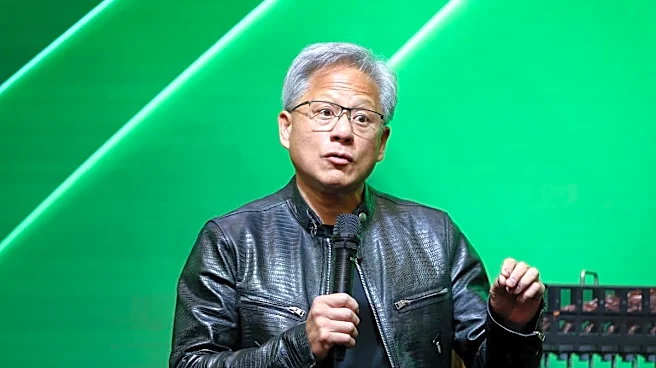
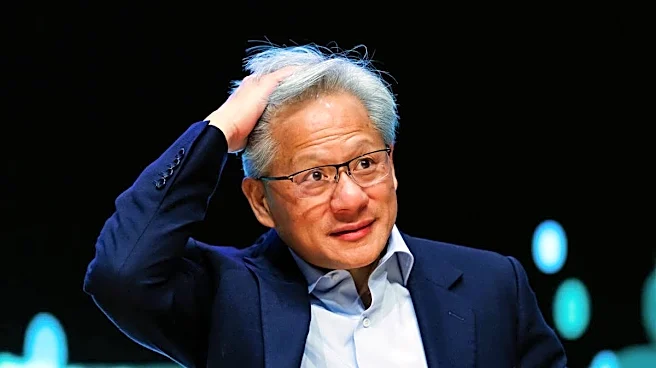
Jensen Huang, CEO of Nvidia, is actively involved in resolving internal disputes over the allocation of the company's limited AI chips. According to Xinzhou Wu, Nvidia's head of automotive, the company faces a shortage of GPUs, which are crucial for training
and testing AI models. This scarcity has led to competition among different teams within Nvidia, each vying for the necessary computing resources. Huang frequently steps in to mediate these conflicts, ensuring that resources are distributed according to internal priorities. Despite the challenges, Nvidia continues to invest in autonomous driving technology, viewing it as a significant future market. The company is also building simulation platforms and compute infrastructure to support upcoming AI advancements.
Why It's Important?
The internal competition for AI chips at Nvidia highlights the broader industry-wide demand for these critical components, driven by the rapid growth of AI technologies. Nvidia's GPUs are essential for companies like OpenAI, Microsoft, and Amazon, which are developing large AI models. The company's strategic focus on autonomous vehicles indicates a commitment to long-term innovation, despite the current resource constraints. This situation underscores the importance of balancing immediate business needs with future opportunities, as Nvidia aims to maintain its leadership in the AI sector. The outcome of these internal resource allocations could significantly impact Nvidia's ability to innovate and compete in emerging markets.
What's Next?
As demand for AI chips continues to rise, Nvidia may need to explore additional manufacturing capacities or partnerships to alleviate the internal competition for resources. The company's ongoing investment in autonomous driving technology suggests that it will continue to prioritize this area, potentially leading to new developments in self-driving vehicles. Stakeholders, including investors and industry partners, will likely monitor Nvidia's ability to manage its resource constraints while pursuing strategic growth opportunities. The resolution of these internal conflicts could influence Nvidia's market position and its role in shaping the future of AI and autonomous technologies.