




What's Happening?
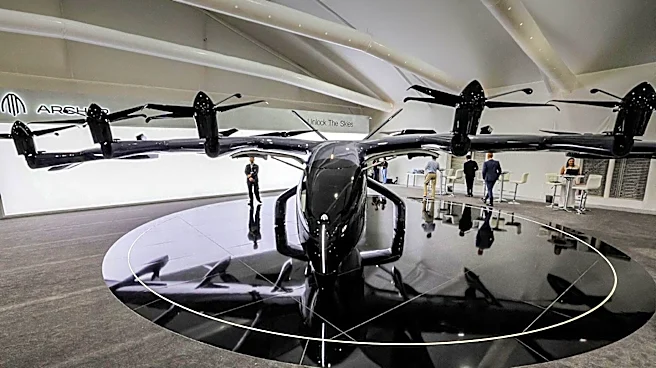
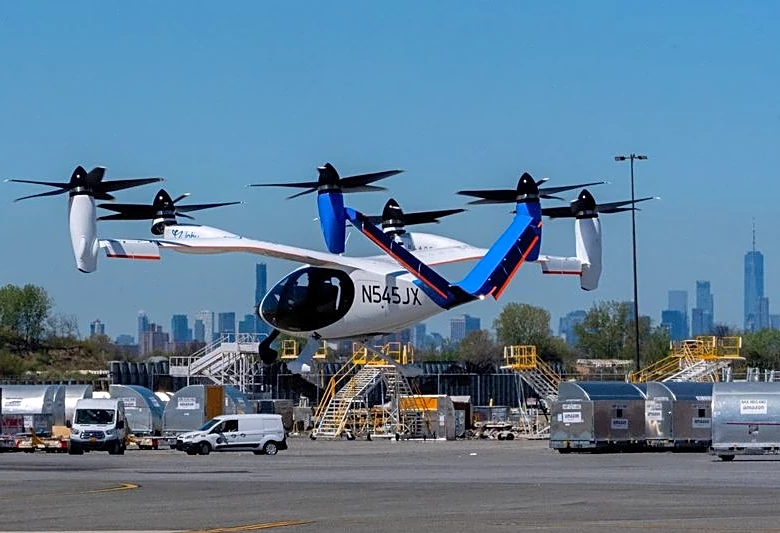
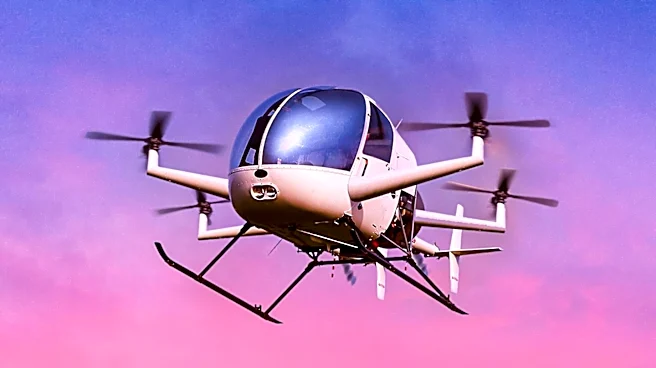
Archer Aviation is advancing its development of electric vertical takeoff and landing (eVTOL) aircraft, aiming to transform urban travel with its Midnight aircraft. The company has secured a conditional purchase agreement with United Airlines for up to $1.0
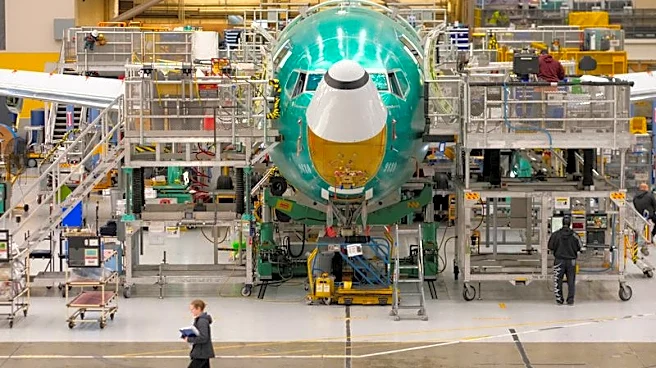
billion in aircraft, highlighting its potential in the commercial air-taxi market. However, Archer faces significant challenges, including regulatory hurdles for FAA certification and financial constraints, as it reported a net loss of $618.2 million in FY 2025. The company is also involved in litigation with Joby Aviation over trade secrets, which could impact its competitive position. Despite these challenges, Archer is positioning itself as a leader in the electric aircraft space, with partnerships with Stellantis for manufacturing and Anduril Industries for defense applications.
Why It's Important?
The development of eVTOL aircraft by Archer Aviation represents a significant shift in urban transportation, potentially reducing congestion and emissions in cities. However, the company's success is contingent on overcoming regulatory and financial obstacles. The FAA certification process is crucial for commercial operations, and any delays could impact Archer's market entry. Financially, the company needs substantial capital to scale manufacturing and infrastructure, posing risks to its long-term viability. The outcome of its legal battle with Joby Aviation could also affect its market position. Investors and stakeholders are closely watching Archer's progress, as its success could pave the way for broader adoption of electric air mobility solutions.
What's Next?
Archer Aviation's immediate focus is on achieving FAA certification for its eVTOL aircraft, a critical step for commercial deployment. The company must also address its financial challenges by securing additional funding to support its growth plans. The outcome of its litigation with Joby Aviation will be pivotal in determining its competitive landscape. As Archer continues to develop its technology and partnerships, the industry will be watching for any advancements in regulatory approvals and financial stability. The company's ability to navigate these challenges will determine its role in the future of urban air mobility.