



What's Happening?
Many consumers are rediscovering the appeal of older gadgets, such as boom boxes, cassette players, and instant cameras, which offer a distinct charm that modern smartphones and laptops cannot replicate. Tech companies are responding to this trend by
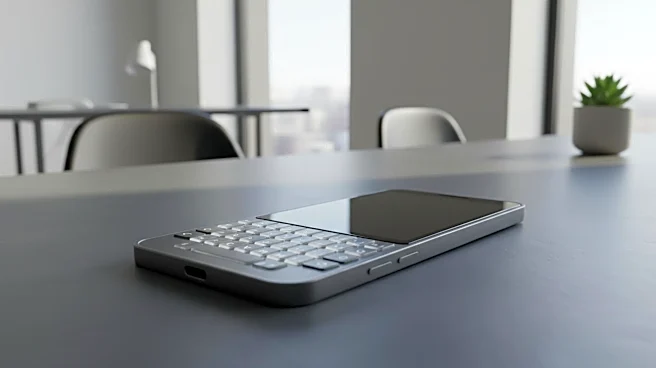
integrating nostalgic designs with contemporary features. For instance, digital typewriters are gaining popularity for providing a focused writing experience, free from digital distractions. Devices like the Freewrite and Pomera offer minimalist interfaces with cloud syncing and productivity tools. Similarly, boom boxes are re-emerging as both design statements and functional audio devices, combining classic aesthetics with modern upgrades like Bluetooth and rechargeable batteries. Brands like We Are Rewind and Bumpboxx are producing models that retain essential features while adding new functionalities. Instant cameras from Polaroid and Fujifilm continue to innovate, offering physical photos with modern capabilities such as autofocus, app connectivity, and digital storage options. Even landline phones are making a quiet comeback, particularly among those seeking a break from screen-heavy communication, with products like Tin Can offering Wi-Fi connectivity and parental controls.
Why It's Important?
This resurgence of retro tech signifies a broader cultural shift towards valuing tangible experiences and focused engagement in an increasingly digital world. For consumers, these devices offer a sense of nostalgia, a break from constant digital notifications, and a more deliberate interaction with technology. The market for retro tech highlights a demand for products that blend the familiar comfort of the past with the convenience of the present, creating a unique niche in the consumer electronics industry. Companies that successfully tap into this sentiment can differentiate themselves in a crowded market by offering products that cater to both emotional and practical needs. This trend also impacts manufacturing and design, encouraging innovation in how older technologies can be re-engineered for modern use, potentially extending product lifecycles and fostering a more diverse tech landscape beyond purely digital solutions. The emphasis on physical output, like instant photos, also underscores a desire for tangible memories in an era dominated by ephemeral digital content.
What's Next?
The retro tech trend is likely to continue evolving, with more companies exploring ways to integrate nostalgic elements into new products. Consumers can expect to see further innovations that combine vintage aesthetics with advanced technology, such as enhanced audio quality in boom boxes, more sophisticated digital features in typewriters, and improved connectivity for instant cameras. The market may also see an expansion into other categories of retro electronics, as brands identify new opportunities to blend old and new. This could include the revival of other classic gadgets with modern twists, driven by consumer demand for unique, experience-driven products. Furthermore, the focus on creating products that offer a 'digital detox' or a more focused experience is expected to grow, influencing design philosophies across the tech industry. Companies will likely continue to leverage crowdfunding platforms like Kickstarter to gauge interest and fund the development of these niche retro-inspired devices.
Beyond the Headlines
The comeback of retro tech reflects a deeper societal yearning for simplicity, authenticity, and a connection to the past. In an age of rapid technological advancement and constant digital stimulation, these devices offer a counter-narrative, emphasizing deliberate interaction and the joy of physical objects. This trend also touches upon the concept of 'slow tech,' where the focus is on quality, longevity, and a more mindful user experience, rather than just speed and endless features. Ethically, it raises questions about planned obsolescence and the environmental impact of constantly upgrading to new devices, as retro tech often encourages repair and reuse. Culturally, it highlights how nostalgia can be a powerful driver of consumer behavior, influencing purchasing decisions and shaping market trends. The blend of old and new in these gadgets also fosters a unique aesthetic, influencing design trends beyond just electronics and into fashion and home decor, creating a holistic 'retro-modern' lifestyle.