





What's Happening?
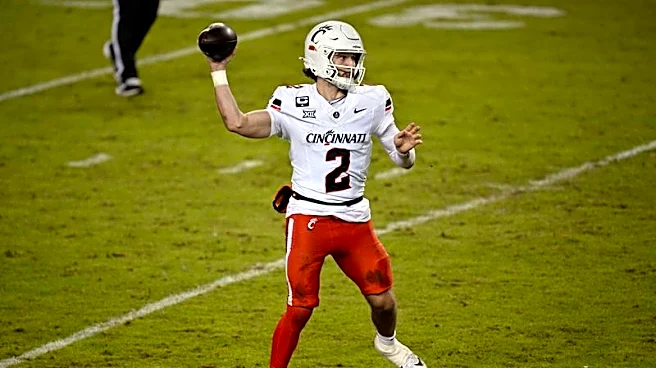
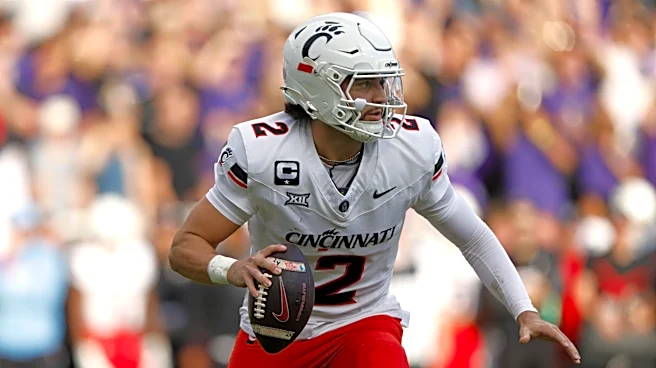
The NFL has decided not to include Brendan Sorsby in the supplemental draft, citing significant integrity concerns related to his gambling activities. Sorsby, a college football player, was found to have violated NCAA gambling rules by betting on his own
team. After being caught, he admitted to having a gambling addiction and entered a recovery program. Despite his talent as a quarterback, the NFL emphasized that Sorsby's actions were self-inflicted and raised serious integrity issues. The league's decision not to conduct a supplemental draft for Sorsby means he will not be able to join a professional roster for the upcoming season. The NFL's collective bargaining agreement grants the league sole discretion over whether to hold a supplemental draft, and no player has been selected in such a draft since 2019.
Why It's Important?
This decision underscores the NFL's commitment to maintaining the integrity of the sport by strictly enforcing rules against gambling. The league's stance serves as a warning to other players about the consequences of violating gambling regulations. For Sorsby, this ruling represents a significant setback in his career, as he must now focus on overcoming his addiction and preparing for a potential entry into the 2027 NFL Draft. The situation highlights the broader issue of gambling addiction among athletes and the importance of addressing such problems to ensure fair play and integrity in sports. The NFL's decision also reflects its broader policy of not granting exceptions or special paths into the league for players who have violated core integrity rules.
What's Next?
Brendan Sorsby is expected to focus on his recovery from gambling addiction and work on improving his skills in preparation for the 2027 NFL Draft. The NFL has encouraged him to use this time to demonstrate his ability to avoid relapse and to refine his mechanics with personal trainers. Sorsby's lawyer has indicated the possibility of further legal action, but the NFL's decision appears firm. The league's handling of this case may influence how it addresses similar situations in the future, potentially leading to stricter enforcement of gambling rules and more support for players dealing with addiction issues.