






What's Happening?
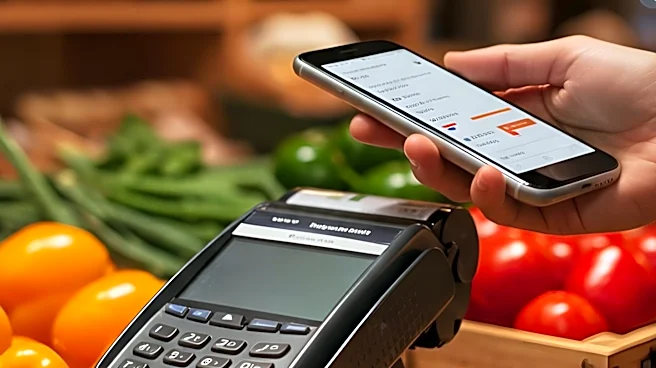
Restaurants are leveraging Point-of-Sale (POS) systems to significantly reduce operational costs by making data-driven decisions. POS systems provide sales data that helps managers optimize staffing schedules, ensuring adequate coverage during peak hours
and reducing labor costs during slower periods. By integrating with inventory management software, POS systems enable restaurants to track ingredient usage, identify popular and underperforming menu items, and adjust purchasing to minimize food waste. This integration also helps in mitigating excess prep and investigating inventory discrepancies. Furthermore, modern POS systems often consolidate various functionalities like online ordering, employee scheduling, and loyalty programs into a single platform, allowing restaurants to eliminate unnecessary software subscriptions and reduce overall technology expenses. Financial reports generated through POS data, especially when combined with profit and loss (P&L) analysis, help identify rising expenses and potential savings opportunities.
Why It's Important?
The strategic use of POS systems is vital for restaurants to maintain profitability in a highly competitive industry with tight margins. Labor and food costs are typically the largest expenses, and optimizing these areas directly impacts a restaurant's bottom line. By precisely scheduling staff based on demand, restaurants can avoid overstaffing, which wastes labor, and understaffing, which can compromise service quality. Reducing food waste not only saves money on ingredients but also contributes to environmental sustainability. Consolidating technology platforms streamlines operations, reduces administrative overhead, and ensures that managers spend less time on manual data transfer and more on strategic decision-making. The ability to conduct detailed P&L analysis with POS data empowers restaurant operators to quickly identify and address cost creep, ensuring financial health and enabling reinvestment in growth and customer experience.
What's Next?
The integration of POS systems with AI-powered insights is expected to become more prevalent, offering even more sophisticated tools for cost reduction. AI can analyze P&L data automatically, proactively highlighting savings opportunities and providing actionable recommendations. Restaurants will likely continue to seek POS providers that offer comprehensive, all-in-one solutions to further consolidate technology and reduce subscription costs. The focus will remain on leveraging data to refine purchasing, inventory management, and staffing strategies. As the technology evolves, POS systems will likely offer even more predictive analytics, helping restaurants anticipate demand fluctuations and optimize operations in real-time. This continuous evolution will empower restaurant operators to make smarter, more efficient decisions, leading to sustained profitability and improved customer satisfaction.
Beyond the Headlines
Beyond the immediate financial benefits, the adoption of advanced POS systems signifies a broader transformation in restaurant management, moving towards a more scientific and less intuitive approach. This shift can lead to a more professionalized industry, where decisions are backed by concrete data rather than guesswork. The transparency provided by detailed sales and inventory data can also foster greater accountability among staff and management regarding waste and efficiency. However, it also raises questions about the potential for over-reliance on technology and the need to balance data-driven decisions with the human element of hospitality. The challenge for restaurants will be to effectively integrate these powerful tools without losing the personal touch and unique atmosphere that define their brand, ensuring that technology serves to enhance, rather than detract from, the overall dining experience.