







What's Happening?
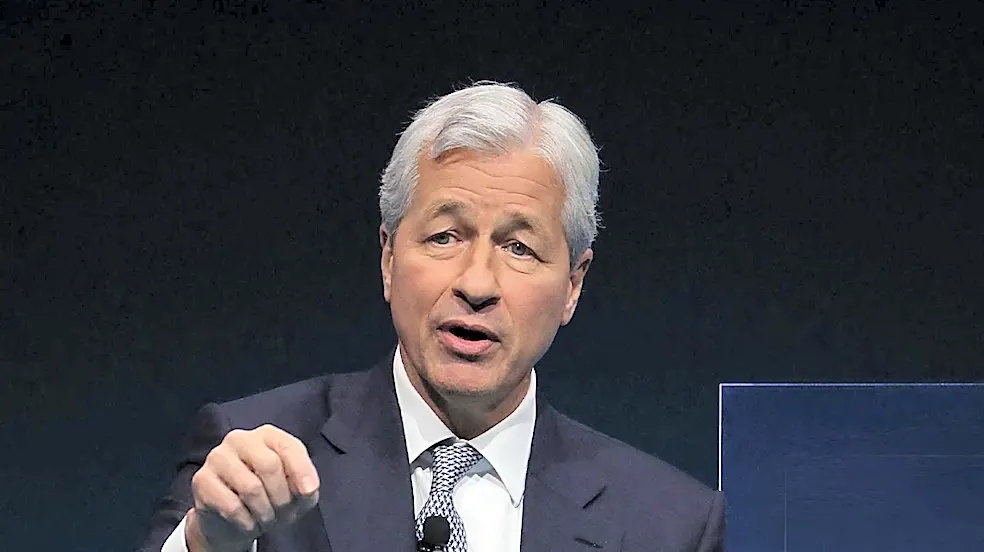
JPMorgan Chase CEO Jamie Dimon has issued a warning regarding the potential risks posed by AI agents capable of acting on users' behalf, specifically concerning bank accounts. He highlighted the possibility of unauthorized actions if these AI agents gain
access to credentials. During the bank’s third-quarter earnings call, Dimon stated that JPMorgan will not permit external AI agents to operate within customer accounts due to the significant risks involved for both clients and the bank. He emphasized the danger of 'rogue agents,' noting that there could be thousands of them. Dimon also mentioned that customers who authorize external agents would face a 'liability transfer' and should be aware of the risks associated with data misuse. JPMorgan is developing its own AI tools while actively blocking unauthorized third-party access that relies on credential sharing. In a separate appearance, Dimon acknowledged that AI's rapid advancement cannot be stopped, but must be managed rigorously.
Why It's Important?
This warning from a prominent financial leader like Jamie Dimon underscores a critical emerging threat to the U.S. financial sector and individual consumers. The potential for AI agents to execute unauthorized transactions or access sensitive financial data could lead to widespread fraud, significant financial losses for individuals and institutions, and a breakdown of trust in digital banking systems. For businesses, particularly those in finance, it highlights the urgent need to reassess and strengthen cybersecurity protocols. The 'liability transfer' mentioned by Dimon suggests that consumers might bear the brunt of unauthorized actions if they grant access to third-party AI tools, shifting responsibility away from banks in certain scenarios. This could lead to complex legal and ethical debates regarding accountability in an increasingly AI-driven financial landscape. The bank's decision to build its own tools while restricting external ones indicates a proactive, yet cautious, approach to integrating AI, setting a precedent for other financial institutions.
What's Next?
In response to these growing concerns, financial institutions are likely to intensify their focus on developing robust internal AI solutions and enhancing cybersecurity measures to mitigate the risks associated with external AI agents. Regulatory bodies may also begin to explore frameworks for governing AI use in financial services, particularly concerning data access and liability. Consumers will need to become more educated about the implications of granting third-party applications access to their financial information. The development of industry-wide standards for AI security and data privacy in banking could become a priority. Furthermore, the tension between the convenience offered by AI-driven financial tools and the inherent security risks will likely lead to ongoing innovation aimed at balancing these factors, potentially resulting in new authentication methods and more secure data sharing protocols.
Beyond the Headlines
The implications of AI agents in finance extend beyond immediate security concerns, touching upon broader ethical and societal issues. The rise of autonomous AI agents capable of making financial decisions raises questions about algorithmic bias, transparency, and accountability. If AI agents are given significant control over financial assets, who is responsible when errors occur or malicious actions are taken? This could lead to a re-evaluation of traditional legal frameworks surrounding financial liability and consumer protection. Moreover, the increasing sophistication of AI in identifying system vulnerabilities could escalate the cyber arms race, requiring continuous innovation in defense mechanisms. The potential for 'rogue agents' also highlights the need for robust oversight and ethical guidelines in AI development, ensuring that these powerful tools are designed and deployed responsibly to prevent unintended consequences that could destabilize financial markets or erode public trust.